A Billion Dollars Up for Grabs: How World Cup 2026 Is Rewriting the Money Rules
BBC Sport·August 20, 2026
Football's biggest prize is about to get a whole lot richer. When 48 nations converge on the United States, Canada and Mexico for the 2026 World Cup, they will be chasing a share of the largest prize fund in the tournament's history — a staggering $1 billion pot that dwarfs anything the game has ever seen.
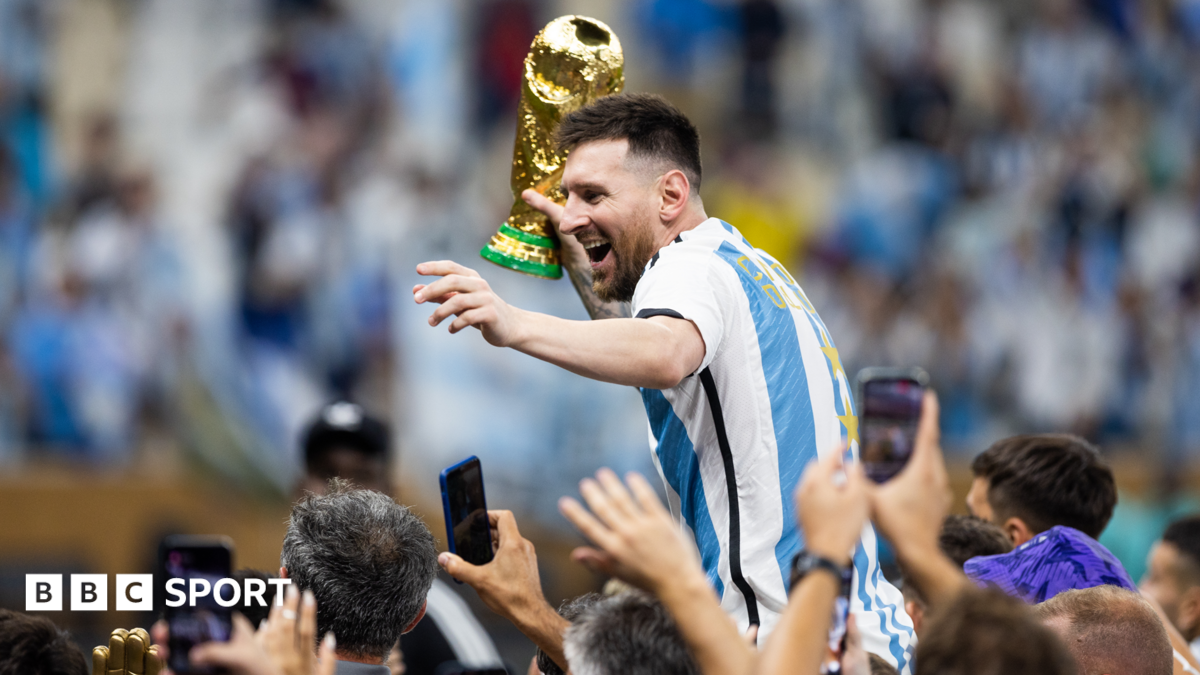
As detailed by BBC Sport's Ask Me Anything team, the numbers mark a seismic shift in World Cup economics. For comparison, the 2022 tournament in Qatar operated on a total prize pool of $440 million, with champions Argentina banking $42 million for their triumph in Doha. Fast forward four years, and the rewards have more than doubled.
The headline figure is jaw-dropping: the team that lifts the trophy at the final on July 19, 2026 could pocket up to $122 million. That windfall combines participation payments, performance-related bonuses earned through each knockout round, and the champion's ultimate share of the pot. It is nearly triple what Argentina took home last time around — a measure of just how dramatically FIFA has scaled up its financial commitment.
Crucially, the money is not reserved for the sport's traditional heavyweights. Every one of the 48 qualifiers — 16 more nations than any previous edition — is guaranteed a significant sum simply for reaching the tournament. For smaller footballing nations, that guaranteed payday can be genuinely transformative, funding grassroots programmes, coaching education, facilities and long-term development projects that outlast any single summer of football.
From there, the rewards climb with every step of the journey. Progressing through the group stage and into the knockout rounds unlocks increasingly lucrative payments, with each round carrying a bigger cheque than the last. Even a group-stage exit now comes with financial comfort rather than mere consolation.
So why the explosion in prize money? The answer lies in the tournament's unprecedented scale. Expanding from 32 to 48 teams and stretching to 104 matches has supercharged broadcast deals, sponsorship agreements and ticket revenues, allowing FIFA to redistribute record sums back to the participating federations.
Players and staff typically share in the windfall through bonus agreements negotiated with their federations, while national associations channel much of the remainder into domestic development.
One thing is certain: whatever happens on the pitch across North America next summer, records will be broken off it. For the 48 nations chasing glory, the World Cup has never been worth more.
🔥 Discover More World Cup Content
Sponsored
Related News
Kane Lifts the Trophy, Gordon Supplies the Spark — England's Euro Triumph Points Straight at 2026
Sky Sports · Aug 24
'It Can Only Be Harry': Bayern Munich Throw Full Weight Behind Kane's Ballon d'Or Bid
Sky Sports · Aug 24
Martinelli's Arsenal Exile Sparks World Cup 2026 Fears as Premier League Season Opens
Guardian Football · Aug 24