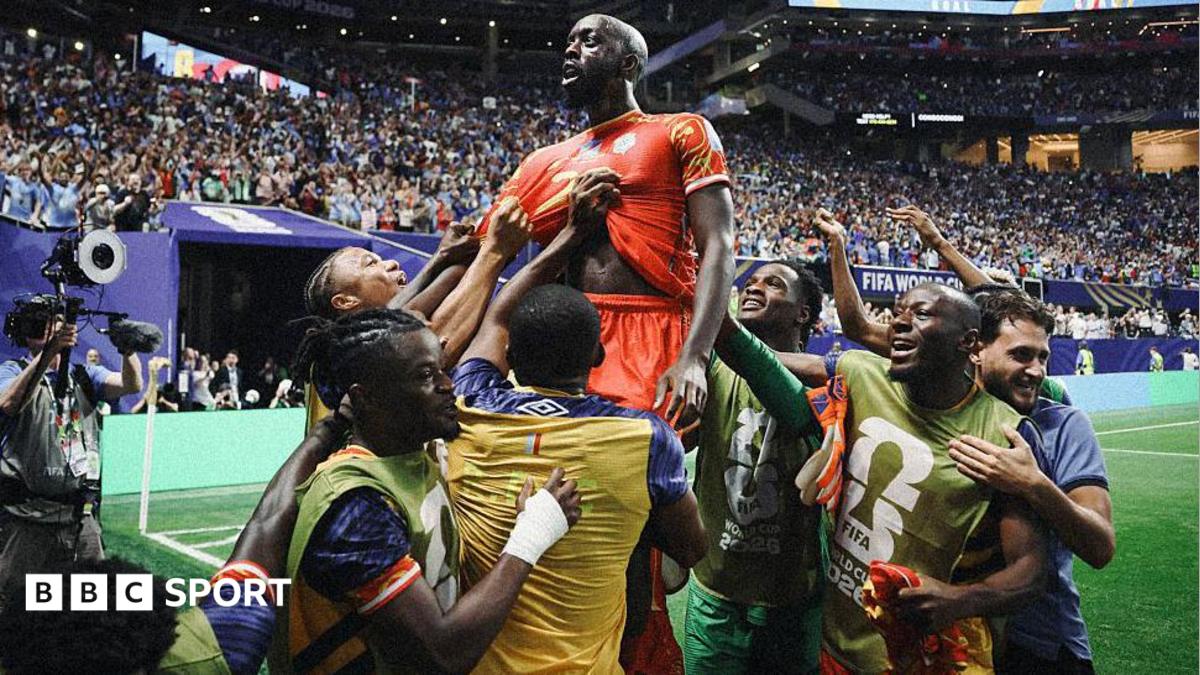
A Tale of Two Continents: Africa Soars While Asia Falters at World Cup 2026
BBC Sport·June 29, 2026
The expanded 2026 FIFA World Cup, staged across North America, was billed as a golden opportunity for emerging football nations to rewrite the history books. However, as the tournament reaches its feverish climax, it has instead become a stark tale of two continents. While African football is basking in the glow of unprecedented success, Asian nations are heading home early, forced into a deep and painful period of introspection.
According to BBC Sport, Africa has undoubtedly been the Cinderella story of the 2026 tournament. Building upon Morocco’s historic deep run in 2022, the Confederation of African Football (CAF) has arrived in full force. African sides have played with a breathtaking blend of tactical discipline, electrifying pace, and physical dominance. They have not merely participated; they have intimidated. Several African nations have comfortably navigated the group stages, actively dismantling European and South American heavyweights along the way. The narrative has finally shifted from untapped potential to undeniable execution. African stars are returning to their national setups with elite tactical education from top European clubs, forging cohesive, resilient units that are now legitimate contenders for the throne.
Conversely, the Asian Football Confederation (AFC) has suffered a tournament to forget. Following a 2022 campaign in Qatar that saw teams like Japan and South Korea stun the globe, expectations were sky-high. Yet, the 2026 finals have been characterized by defensive fragility, a lack of clinical finishing, and a stark realization that the gap to football's elite remains cavernous. Traditional Asian powerhouses have looked disjointed, struggling to replicate the high-pressing, fearless football that defined their previous successes.
The harsh reality for Asia is that the rest of the world has not stood still. While domestic leagues in Asia continue to grow financially, the inability to produce consistent, world-class performances on the pitch suggests a fundamental developmental plateau. Have Asian federations rested on their laurels, or has the global game simply evolved at a speed the continent could not match?
As the final whistles blow across the United States, Mexico, and Canada, the contrasting fortunes of these two regions will dominate post-mortems. Africa has firmly established itself as a modern footballing superpower, shedding its underdog status. Asia, on the other hand, must go back to the drawing board, desperately seeking the answers needed to bridge the gap and survive on football's grandest stage.
🔥 Discover More World Cup Content
Sponsored
Related News
Three Lions Roar Peacefully: England Fans Earn Top Marks in USA, But Home Front Sees Uptick in Trouble
BBC Sport · Jun 30
Knockout Chaos: France and Mbappe Clash with Sweden in World Cup 2026 Round of 32
Guardian Football · Jun 30
Milan Masterstroke: Goncalo Ramos' £60m Move Sets Stage for World Cup 2026
BBC Sport · Jun 30