Against All Odds: How the 2026 World Cup Conquered a Divided America
Guardian Football·July 11, 2026
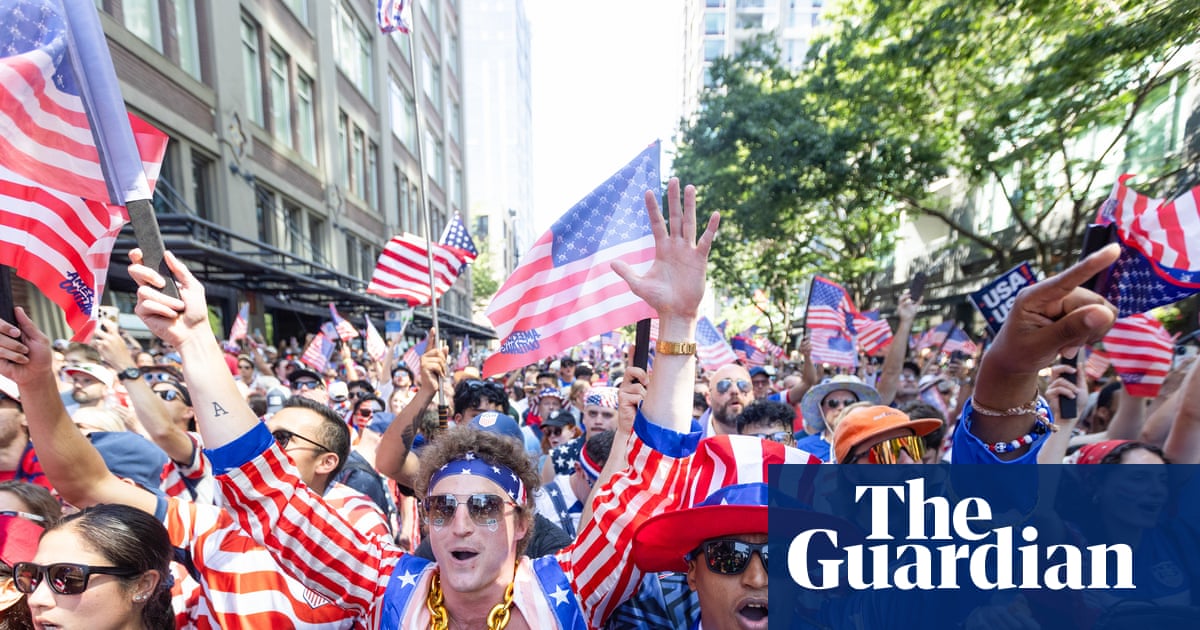
Heading into the 2026 FIFA World Cup, the prevailing narrative across the globe was one of deep apprehension. Pundits and fans alike feared the tournament—co-hosted by the US, Canada, and Mexico—could end in a geopolitical and logistical disaster. Yet, against all odds, the United States has firmly caught World Cup fever. As originally reported by Guardian Football, what many anticipated to be a chaotic ordeal has transformed into a 'brilliant reprieve, a unifying force' sweeping the nation.
The anxiety leading up to kick-off was entirely justified by a turbulent political climate. In the eighteen months prior to the opening match, former President Donald Trump dominated headlines with aggressive rhetoric, publicly threatening to annex northern co-host Canada and deploy the military against southern co-host Mexico. Furthermore, lingering diplomatic friction with participating nation Iran cast a heavy shadow over the group stages. This geopolitical tension was compounded by harsh US travel restrictions that threatened to silence the vibrant support of nations like Senegal, Ivory Coast, and Haiti, as countless fans struggled to secure visas.
Beyond the political arena, there were dire commercial and logistical concerns. Outrageous ticket prices threatened to price out everyday supporters, leading to slower-than-expected hotel bookings in host cities. FIFA also faced immense backlash for introducing mandatory 'hydration breaks' during matches. Critics widely viewed this as a shameless cash grab designed to squeeze in additional television commercials, fearing it would severely disrupt the natural flow of the game.
However, once the opening whistle blew, the beautiful game proved its unparalleled power to transcend conflict. The pre-tournament anxieties rapidly gave way to an unprecedented footballing carnival. Stadiums across America are packed to the brim, while domestic television viewership is shattering previous records, drawing in millions of casual sports fans.
More importantly, the tournament has emerged as a vibrant showcase of joyous multiculturalism. In an era where immigration policies and national borders were fiercely debated on the political stage, the World Cup transformed US cities into global melting pots of celebration. Fans draped in the colors of dozens of nations marched through the streets, united by their shared passion. Ultimately, the 2026 World Cup has provided a much-needed outlet for collective joy, proving that even in the most polarized times, sport can still bring a divided nation together.
🔥 Discover More World Cup Content
Sponsored
Related News
Les Bleus Advance: Mbappe and Dembele Propel France Past Morocco in 2026 World Cup Quarter-Final
BBC Sport · Jul 11
Sun, Sand, and Soccer: Miami Transforms into a World Cup Carnival for England vs. Norway
Guardian Football · Jul 11
Mbappe Magic: French Captain's Masterclass Stuns Morocco in 2026 World Cup
BBC Sport · Jul 11