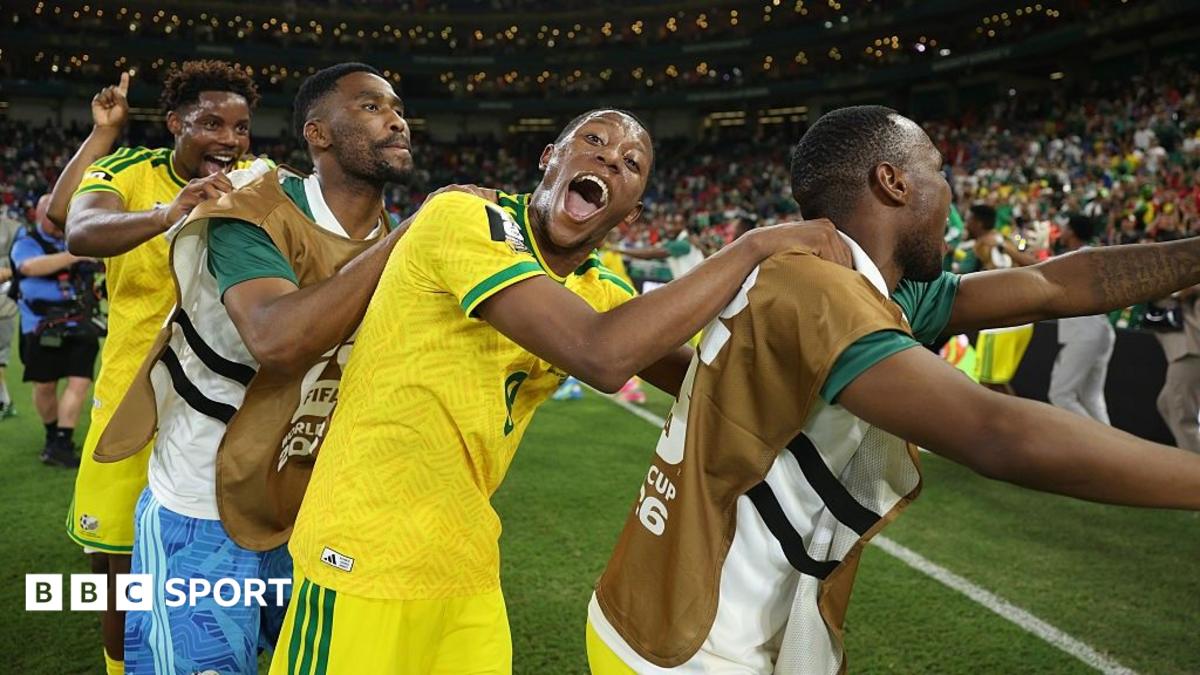
Behind the Screen: Decoding the TV Broadcast Puzzle for World Cup 2026's Round of 32
BBC Sport·July 26, 2026
The expanded 2026 FIFA World Cup is fast approaching, bringing with it a monumental shift in the tournament's structure. With the field stretching to a record 48 nations, football fans will be treated to a brand-new knockout phase: the Round of 32. But as the global soccer circus prepares to descend upon the United States, Canada, and Mexico, a fierce, high-stakes logistical battle is quietly raging behind the scenes. It is a battle that dictates exactly which matches will beam into your living room.
According to an insightful breakdown by BBC Sport's Ask Me Anything team, the process of selecting television picks for the Round of 32 is far more complex than simply pointing a camera at the biggest teams. It is a meticulous, high-pressure puzzle involving broadcasters, FIFA executives, and a myriad of broadcasting constraints.
First and foremost, the geographical sprawl of the 2026 tournament presents a unique headache. With matches hosted across vastly different time zones—from Vancouver on the Pacific coast to Guadalajara in Mexico—networks must strategize to capture the widest possible audience. Broadcasters are constantly vying for slots that align with prime-time viewing hours in their home nations. This means early kick-offs in North America might be highly coveted by European networks looking for evening broadcasts back home.
Furthermore, the dynamics of this newly expanded Round of 32 present a unique challenge for schedulers. Unlike the group stages, which are mapped out years in advance, the makeup of the knockout bracket is entirely dependent on who survives the opening phase. As BBC Sport explains, TV executives have to draft contingency plans for nearly every possible scenario. Once the final group stage whistles blow, networks are left with a frantic 24-to-48-hour window to lock in their top broadcast picks.
During this window, decisions are made by balancing the undeniable star power of traditional heavyweights—like Brazil, France, or Argentina—against the irresistible, ratings-driving allure of an underdog's Cinderella story. However, networks do not have absolute freedom; strict contractual obligations and FIFA regulations often dictate that certain matchups must be carried by specific primary rights holders.
Ultimately, the 2026 World Cup is set to deliver an unprecedented feast of football. But before a single player steps onto the pitch for the Round of 32, the most intense tactical maneuvering will have already taken place in the network boardrooms.
🔥 Discover More World Cup Content
Sponsored
Related News
Keegan's Legacy: From 'I Would Love It' to World Cup Inspiration in 2026
BBC Sport · Jul 26
Maldini's World Cup Vision in Jeopardy: Will Pirlo's Russian Links Derail Italy's 2026 Setup?
Football Italia · Jul 26
Heartbreak in the Press Room: Scaloni Breaks Down in Tears Following World Cup Final Defeat
BBC Sport · Jul 26