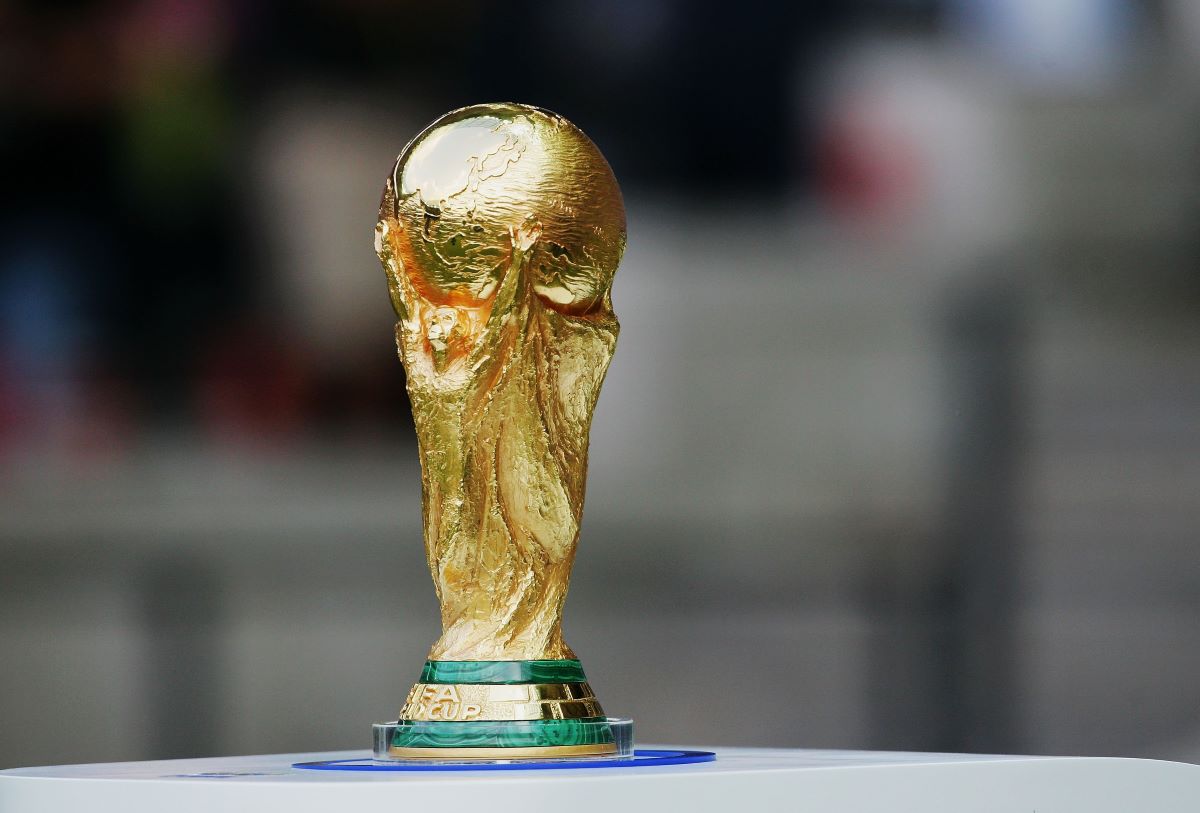
Beyond 2026: CONMEBOL Chief Drops Bombshell Claiming 2030 World Cup Will Feature 64 Teams
Football Italia·July 20, 2026
While the global football community is actively gearing up for the historic 48-team expansion at the 2026 FIFA World Cup across North America, a shocking new development has suddenly shifted the spotlight toward the 2030 tournament. According to a report by Football Italia, CONMEBOL President Alejandro Dominguez has dropped a bombshell, claiming that the 2030 World Cup will be further expanded to feature a record-breaking 64 teams.
Dominguez’s announcement has sent immediate ripples through the sporting world. If his claims hold true, this unprecedented expansion would effectively add another 16 teams to the roster just four years after the 2026 tournament introduces its own 48-team format. The driving force behind this proposed massive leap is the centenary celebration of the FIFA World Cup. With the inaugural 1930 tournament having taken place in Uruguay, the 2030 edition is already highly anticipated. Dominguez’s vision appears to be creating an anniversary spectacle like no other, potentially allowing the entire South American continent to co-host and participate in a massive festival of football.
However, this revelation is already sparking fierce debate among fans, pundits, and tournament organizers. While expanding to 64 teams would offer a golden ticket to dozens of emerging footballing nations—fulfilling a desire for greater global representation—it also raises serious logistical and sporting concerns. Critics are quick to point out that inflating the tournament could heavily dilute the overall quality of the early group stages. Furthermore, a 64-team format would mean an exhausting 127 matches, placing an immense strain on player welfare, scheduling, and host nation infrastructure.
For those of us closely following the road to the 2026 World Cup—where the United States, Canada, and Mexico are already preparing for the logistical marathon of 48 nations—the prospect of adding another 16 teams so soon after is dizzying. It raises a critical question: is FIFA truly ready to nearly double the size of the tournament from its traditional 32-team format in the span of just two World Cup cycles?
As it stands, the 2026 World Cup remains the immediate frontier of international football. Yet, Dominguez's audacious claim guarantees that the debate over football's future—balancing romantic inclusivity with elite, high-stakes competition—will rage on long after the final whistle blows in North America.
🔥 Discover More World Cup Content
Sponsored
Related News
World Cup 2026 Watch: Man Utd and Roma Engage in High-Stakes €60m Talks for French Midfielder Manu Kone
Football Italia · Jul 20
La Roja Roars: Madrid Erupts as Spain Celebrates 2026 World Cup Triumph
BBC Sport · Jul 20
Chaos on the Pitch: Argentina Stars Face Lengthy Bans After 2026 World Cup Final Brawl
Guardian Football · Jul 20