Beyond the Pitch: Atlanta's Homeless Uprooted in World Cup 2026 'Clean-Up'
Guardian Football·July 29, 2026
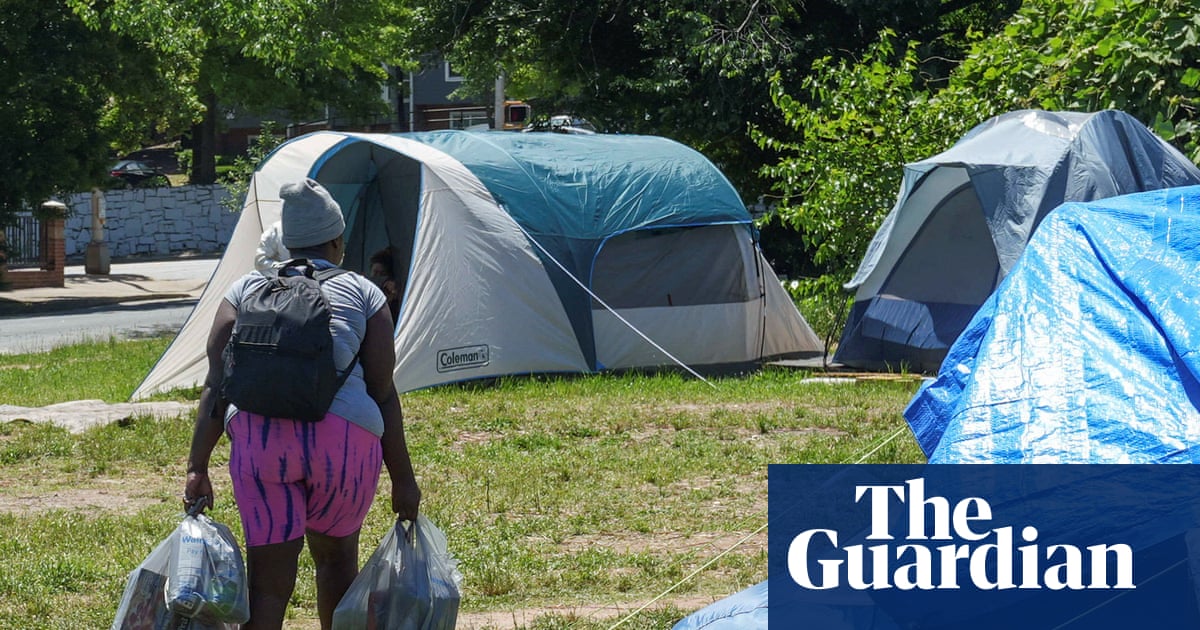
As FIFA proudly proclaims that football brings the world together ahead of the highly anticipated 2026 World Cup, a very different, harsher reality is unfolding on the streets of Atlanta. According to a deeply troubling report by *Guardian Football*, the city’s unhoused population is feeling the brunt of a ruthless pre-tournament "clean-up" effort designed to beautify the host metropolis for global visitors.
The beautiful game, it seems, has an ugly underbelly. Local advocates and displaced residents argue that city officials are systematically sweeping the streets, treating vulnerable human beings more like discarded debris than citizens.
"A lot of our community has been pushed out by the World Cup. We’re not just dollar signs, we’re more than that," shared one affected community member, capturing the profound sense of alienation felt by those being forced out of their familiar spaces. "We’re people and we’re frustrated that they’ve chosen to treat us less than human."
The measures taken by local authorities are as startling as they are controversial. Some individuals claim they are being relocated to remote facilities under the cover of darkness, fundamentally stripping them of their autonomy. One man recounted to *Guardian Football* being picked up and dropped off at a remote facility in the middle of the night, describing the environment as heavily policed and intimidating.
"They dropped me off there in the middle of the night. They call them Mormon centres or whatever, but it ain’t nothing but a warehouse of cops," he explained. "It looked like a FEMA camp. When I saw it, I left, I walked all the way back here."
His reasoning for making the grueling trek back to the city center highlights the stark reality of the tournament's shadow economy: "It’s because of the World Cup. They’re trying to make it look good for tourists. They don’t want the eyesores around."
Atlanta is one of the flagship host cities for the expanded 2026 tournament, and city planners are understandably eager to project a pristine, prosperous image to the world. However, this aggressive cosmetic strategy has sparked fierce backlash. Human rights advocates argue that masking the homelessness crisis does not solve it; it merely punishes the impoverished for the sake of corporate optics and transient tourism.
While FIFA and local organizers continue to champion narratives of global harmony and celebration, the voices echoing through Atlanta's downtown tell a story of marginalization. As the countdown to kickoff continues, serious questions loom over the human cost of hosting mega-sporting events. Are host cities truly uniting their communities, or are they simply hiding the ones they deem inconvenient?
🔥 Discover More World Cup Content
Sponsored
Related News
The Azzurri's Bench: How Italy's Coaching Chaos Culminated in Mancini's Return
Football Italia · Jul 29
Spain Crowned World Champions as Trump and Infantino Face Stadium Boos in Bizarre Trophy Ceremony
Guardian Football · Jul 29
England's World Cup 2026 Report Card: Rating the Three Lions' Bronze Medal Squad
Guardian Football · Jul 29