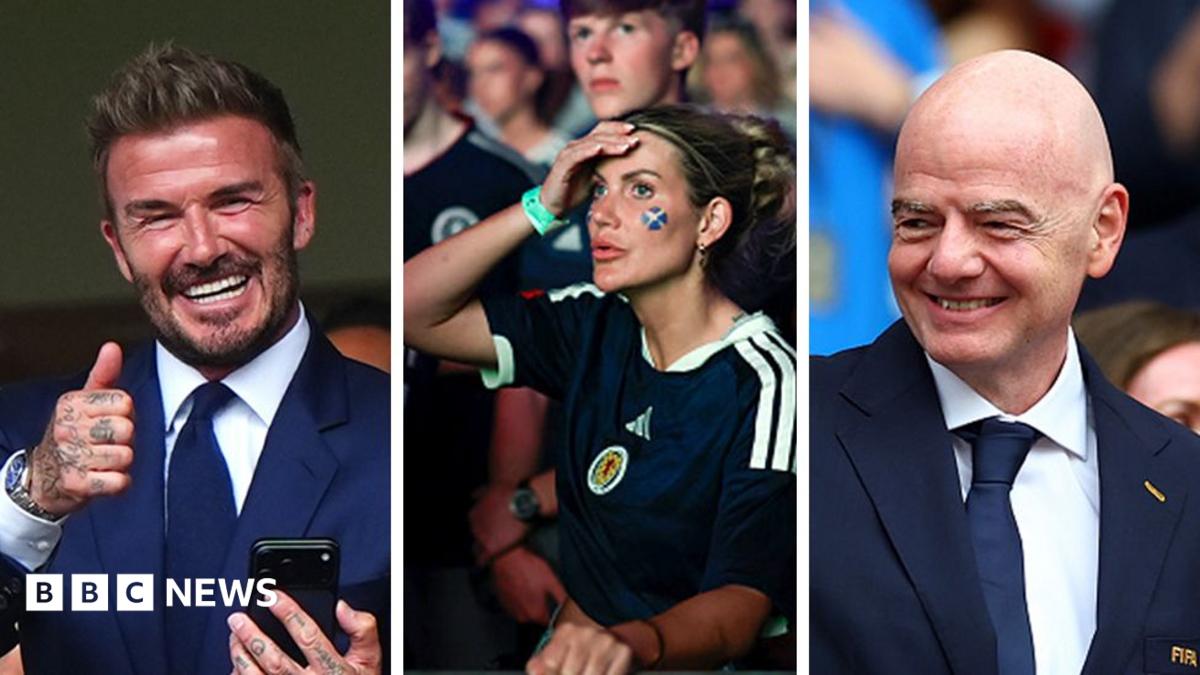
Beyond the Pitch: The Financial Champions and Chumps of World Cup 2026
BBC Sport·July 17, 2026
When the globe's biggest sporting spectacle touches down across North America in 2026, the battles on the pitch will only tell half the story. Off the field, an unprecedented financial frenzy is already underway. According to BBC Sport, the 2026 FIFA World Cup—co-hosted by the United States, Canada, and Mexico—is generating massive wealth, but the economic ripple effects are creating a stark divide between the tournament's financial winners and losers.
At the top of the financial podium are the corporate giants and global broadcasters. FIFA is projected to shatter its previous revenue records, buoyed by lucrative media rights and elite tier-one sponsorships. Mega-brands are leveraging the expanded 48-team format to reach billions of viewers. Furthermore, major host cities—particularly sprawling metropolises like New York/New Jersey, Dallas, and Los Angeles—are preparing for a massive influx of tourism dollars. Hotels, airlines, and large-scale hospitality sectors are expecting astronomical profits as millions of fans descend upon North America.
However, the economic boom is not a tide that lifts all boats. As highlighted by BBC Sport, grassroots supporters and local small businesses often find themselves on the losing end of the World Cup money machine. Strict commercial regulations protect official FIFA partners, heavily restricting what independent vendors can market in and around the stadiums, leaving local sellers out of the profit pool.
Additionally, the everyday football fan is emerging as a major financial loser. With skyrocketing ticket prices, inflated accommodation rates, and the sheer logistical cost of traveling across three massive countries, supporting a national team in person has become a luxury that many lifelong supporters simply cannot afford. The working-class fans who form the backbone of the sport's culture are increasingly being priced out of the live experience.
Finally, there is the hidden cost to taxpayers. While local governments anticipate a short-term tourism surge, the public funds required to upgrade infrastructure, bolster security, and modernize transit systems can leave host municipalities grappling with debt long after the trophy is lifted.
Ultimately, World Cup 2026 will be a monumental triumph for FIFA's balance sheet and its corporate partners. Yet, as the dollars pour in, it raises a poignant question about the modern game: as the tournament expands and the profits soar, who is truly left behind in the pursuit of football's richest payday?
🔥 Discover More World Cup Content
Sponsored