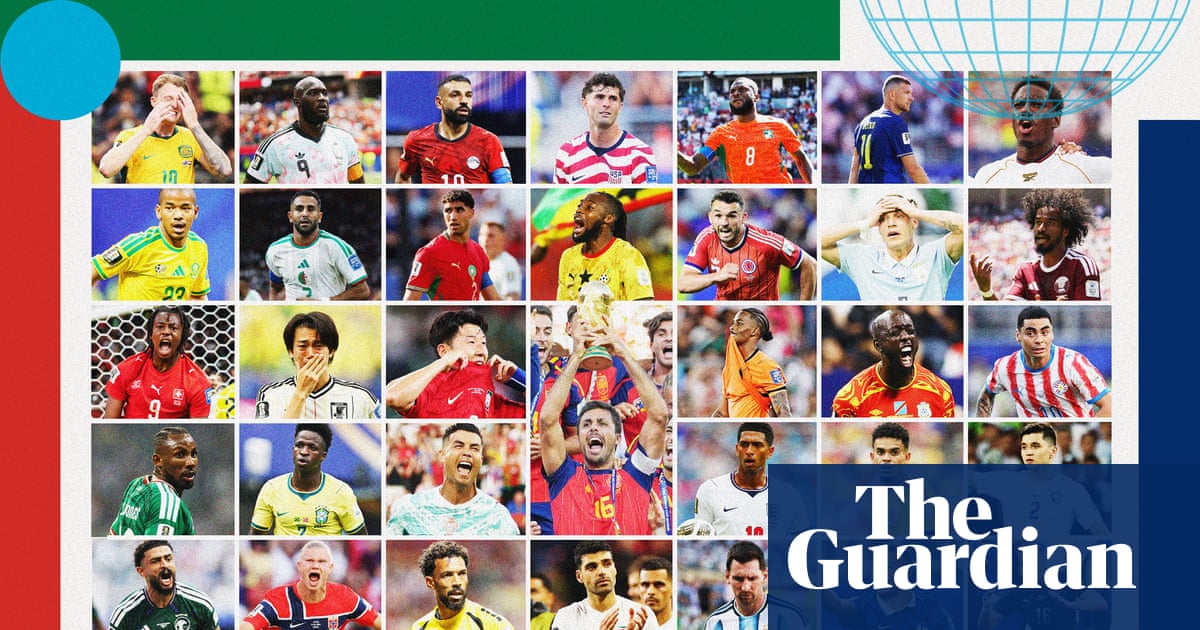
Bigger, Longer, Divisive: The 48-Team World Cup Proved Maradona and Löw Both Right
Guardian Football·August 18, 2026
When Gianni Infantino succeeded Sepp Blatter as FIFA president, it took less than a year for football's governing body to announce the most radical redesign of the men's World Cup in a generation: an expansion from 32 to 48 teams. The reaction, as Guardian Football recalls, was decidedly mixed — and the debate it sparked has only grown louder since.
Diego Maradona, never one for diplomatic fence-sitting, embraced the change wholeheartedly. He was 'delighted by Gianni's initiative,' arguing that a bigger tournament allowed every footballing nation to dream of qualification, rekindling passion for the sport in countries that had long watched from the outside. Joachim Löw, then managing world champions Germany, took the opposite view, warning that the move would dilute the tournament's sporting integrity. 'In the long term, the quality suffers,' he cautioned.
Fast forward to the first 48-team edition — 104 matches spread across five and a half weeks in North America, ending with Spain crowned champions — and the fairest verdict, per Guardian Football's assessment, is that both men had a point.
The expansion undeniably delivered on Maradona's vision. New faces graced the grandest stage, with debutants and underdogs adding color, fresh narratives and moments of genuine romance to a tournament that had begun to feel predictable in its 32-team guise. For smaller footballing nations, simply reaching the World Cup reinvigorated the domestic game in ways qualifying campaigns alone never could.
But Löw's warning also proved prophetic. The expanded format produced glaring gulfs in class, with a series of lopsided encounters effectively over long before the final whistle. The drama, too, arrived flawed: a longer, more convoluted structure occasionally drained tension rather than creating it, stretching players, broadcasters and supporters to their limits across five and a half relentless weeks.
So where does the World Cup go from here? Having crossed the 48-team threshold, FIFA now faces an uncomfortable question: is a 64-team future next? A prospect that seemed fanciful a decade ago now feels less like speculation and more like inevitability, however much purists may recoil.
Spain's triumph will be remembered as the crowning moment of the first truly global World Cup. Whether the tournament's bloated blueprint serves football better than leaner formats of the past — and whether bigger genuinely means better — is an argument that rages on. On this evidence, the Maradonas and the Löws of the football world may simply have to agree to disagree.
🔥 Discover More World Cup Content
Sponsored
Related News
Kane Lifts the Trophy, Gordon Supplies the Spark — England's Euro Triumph Points Straight at 2026
Sky Sports · Aug 24
'It Can Only Be Harry': Bayern Munich Throw Full Weight Behind Kane's Ballon d'Or Bid
Sky Sports · Aug 24
Martinelli's Arsenal Exile Sparks World Cup 2026 Fears as Premier League Season Opens
Guardian Football · Aug 24