Chasing Glory and Gold: The Massive Financial Stakes of the 2026 World Cup
BBC Sport·August 1, 2026
The beautiful game is about to get even richer. When the 2026 FIFA World Cup kicks off across the United States, Canada, and Mexico, the tournament won't just be the biggest in history on the pitch—it will also feature a staggering financial footprint off it.
According to a recent breakdown by BBC Sport's Ask Me Anything team, the prize money on offer for the upcoming tournament highlights the sheer commercial scale of modern football. While FIFA is still finalizing the exact figures for the North American spectacle, the trajectory of recent global tournaments gives us a clear picture of the astronomical sums involved.
At the 2022 World Cup in Qatar, FIFA distributed a record-breaking $440 million in prize money. For the 2026 edition, which will feature an expanded roster of 48 nations—up from the traditional 32—that total pot is widely expected to swell even further to accommodate the additional participants and matches. But how exactly is that cash divided?
The financial structure is meticulously designed to reward both participation and progression. Simply qualifying for the tournament is a massive financial windfall. In the previous iteration, every team received a $1.5 million upfront payment purely to cover preparation costs. Once the on-pitch action begins, even teams eliminated at the group stage walk away with a healthy multi-million-dollar payout.
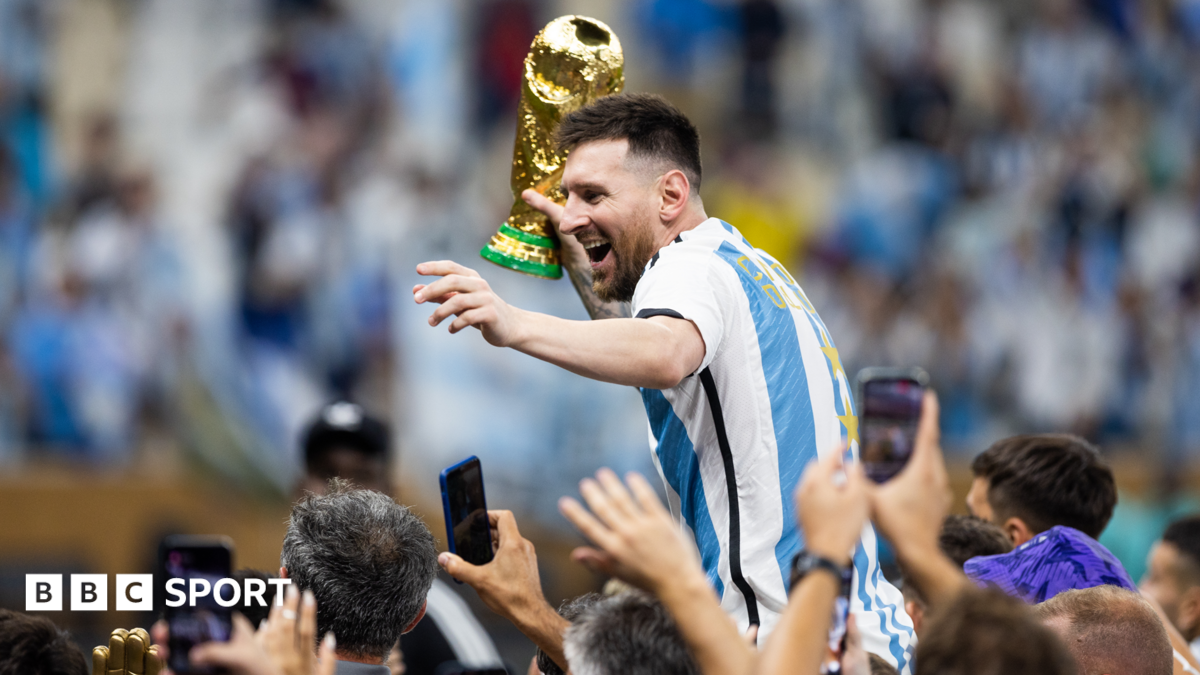
As teams advance through the newly expanded knockout rounds, the bonuses escalate dramatically. Reaching the Round of 16, the quarter-finals, and the semi-finals triggers progressively larger windfalls. Ultimately, the nation that lifts the iconic trophy on the final day is set to pocket a staggering sum. To put it in perspective, Argentina took home $42 million for their triumph in Qatar, while runners-up France secured $30 million. With an expanded format in 2026, the eventual champions will likely secure an even heftier purse.
Beyond the glitz and glamour enjoyed by football's traditional elite, this prize money represents a vital lifeline for grassroots development. For smaller federations and underdog nations, a deep World Cup run—or even just qualification—can completely transform their footballing infrastructure. These funds are routinely pumped into local academies, coaching certifications, and facility upgrades, helping to nurture the next generation of global superstars.
As the countdown to 2026 continues, the battle for World Cup qualification is heating up across the globe. And while the pursuit of sporting immortality remains the primary motivation for the players, the massive financial jackpot waiting at the end of the rainbow provides an undeniable, game-changing boost for the nations involved.
🔥 Discover More World Cup Content
Sponsored
Related News
World Cup 2026 Watch: Salah's Shock Trabzonspor Link and Transfer Gossip Impacting Global Stars
BBC Sport · Aug 1
Beyond the World Cup 2026: Your Ultimate Guide to the Upcoming Football Season on BBC Sport
BBC Sport · Aug 1
The Reluctant Maestro: Michael Olise's Silent Dominance at the 2026 World Cup
BBC Sport · Aug 1