Chasing the Cash: The Staggering Financial Stakes of the 2026 World Cup
BBC Sport·July 19, 2026
The beautiful game is coming to North America, and with it, a historic expansion and a staggering financial windfall. As detailed in a recent breakdown by BBC Sport’s Ask Me Anything team, the prize money on offer at the 2026 FIFA World Cup is set to reach unprecedented heights.
For the first time in the tournament's illustrious history, 48 nations will battle it out across the United States, Mexico, and Canada. This expanded format doesn't just mean more matches and more fans; it translates to a massively inflated prize pool designed to reward federations for their global success. While the exact figures for 2026 are still being finalized by FIFA, they are fully expected to shatter the $440 million record that was distributed at the 2022 tournament in Qatar.
But how exactly is this fortune divided among the competing nations? The financial structure of the World Cup is designed to reward progression, but merely punching a ticket to the tournament guarantees a significant payday. For smaller footballing nations, simply qualifying for the expanded 48-team spectacle can be transformational. The initial participation fee often covers the costs of the grueling qualification campaign and injects vital funds into grassroots development back home.
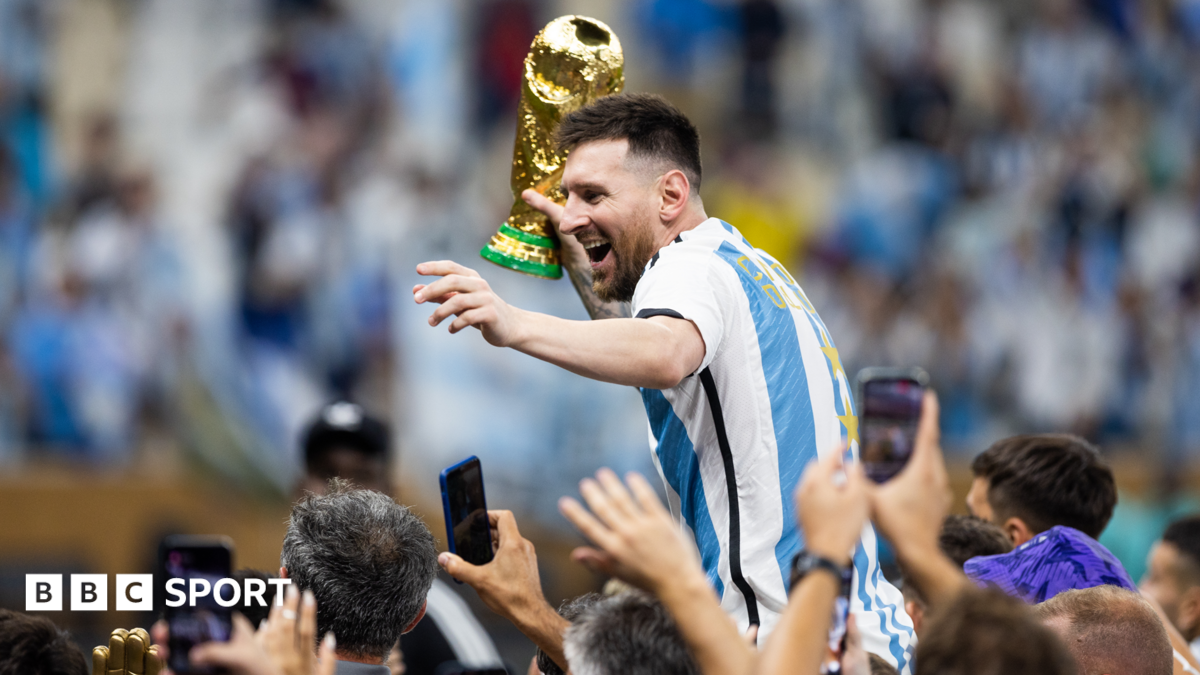
As teams navigate through the tournament, the financial incentives escalate dramatically. Advancing past the newly expanded group stage, reaching the Round of 32, and moving into the deep waters of the knockout rounds each unlocks progressively larger bonuses. By the time the final two teams meet at MetLife Stadium in New Jersey, they will be competing not just for international immortality and the iconic golden trophy, but for a winner's check that is expected to comfortably exceed the $42 million awarded to Argentina in 2022.
According to the BBC Sport report, the overarching takeaway is clear: FIFA has ensured that the World Cup remains the undisputed pinnacle of sporting achievement—both competitively and financially. While the established superpowers of global football might view the prize money as a standard bonus to their already overflowing coffers, these funds represent something much bigger for emerging football markets. For many confederations, a deep run in the 2026 World Cup could fund a decade of facility upgrades, coaching education, and youth academies.
Ultimately, the 2026 World Cup is shaping up to be a landmark event where the financial stakes perfectly mirror the on-pitch drama. From the opening kickoff to the final whistle, nations aren't just playing for pride—they are playing for a financial future that could alter the trajectory of their domestic football programs for generations to come.
🔥 Discover More World Cup Content
Sponsored