Cooling Off: Wenger Confirms FIFA Will Review Unpopular World Cup Hydration Breaks
BBC Sport·July 18, 2026
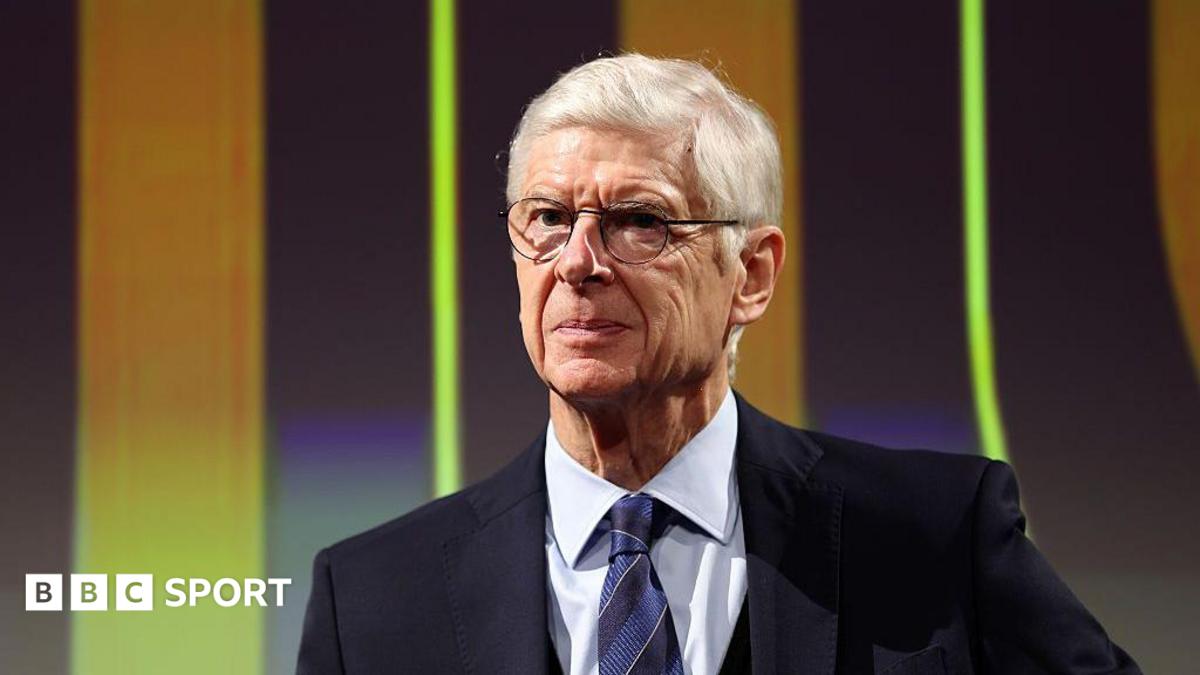
The 2026 FIFA World Cup, hosted across the sprawling landscapes of the United States, Canada, and Mexico, has delivered unforgettable moments on the pitch. However, one particular off-field innovation has proven to be a decidedly bitter pill for supporters to swallow: the controversial hydration breaks. According to BBC Sport, Arsenal legend and FIFA’s Chief of Global Football Development, Arsene Wenger, has conceded that the tournament's water breaks have been largely unpopular and will face a comprehensive review once the final whistle blows.
Introduced as a necessary safeguard against the sweltering North American summer, the mandatory breaks were initially designed to protect players from extreme heat and humidity. While athlete safety remains paramount, the implementation of these mid-half pauses has sparked widespread frustration among fans and pundits alike. Critics argue that the breaks severely disrupt the natural rhythm and flow of the matches, often arriving just as a team is building crucial attacking momentum. Furthermore, many supporters have expressed annoyance that the stoppages feel excessively long, occasionally resembling extended commercial timeouts rather than quick medical interventions.
Wenger, a prominent figure within FIFA's technical study group, acknowledged the mounting backlash. Speaking to BBC Sport, the Frenchman admitted that the governing body is listening to the grievances of the global audience. While defending the initial intention to prioritize player health in punishing climates, Wenger accepted that the execution has not been universally well-received. The breaks were intended to be a subtle, protective cooling mechanism, but instead, they have become a major talking point of the tournament for all the wrong reasons.
As the World Cup approaches its climactic knockout stages, FIFA finds itself walking a tightrope between physiological necessity and pure sporting entertainment. The intense heat in host cities like Dallas, Miami, and Monterrey is an undeniable factor, making mid-match hydration a genuine medical requirement. Yet, the footballing world is fiercely accustomed to non-stop action, and any disruption to the tempo of the beautiful game is inevitably met with resistance.
Looking ahead, Wenger confirmed that FIFA will conduct a thorough, data-driven review of the hydration break protocols following the conclusion of the 2026 spectacle. The governing body will need to analyze medical data alongside the impact these breaks have on match momentum and broadcast viewership. Future adjustments could involve shortening the duration of the stoppages, restricting water breaks strictly to natural injury delays, or implementing them only when specific, dangerous temperature thresholds are reached. For now, fans will have to tolerate the pause, but change appears to be on the horizon.
🔥 Discover More World Cup Content
Sponsored
Related News
The Ultimate Showdown: Mbappé's Golden Boot Lead Hangs in the Balance as Messi Looms
BBC Sport · Jul 19
Saka Shines in Miami Madness: England Survive French Fightback to Claim World Cup Bronze
Sky Sports · Jul 19
Saka's Sensational Hat-Trick Seals 10-Goal Thriller as England Outlast France
Guardian Football · Jul 19