Crown Jewel or Controversial Choice? The Debate Over MetLife Stadium Hosting the 2026 World Cup Final
BBC Sport·July 18, 2026
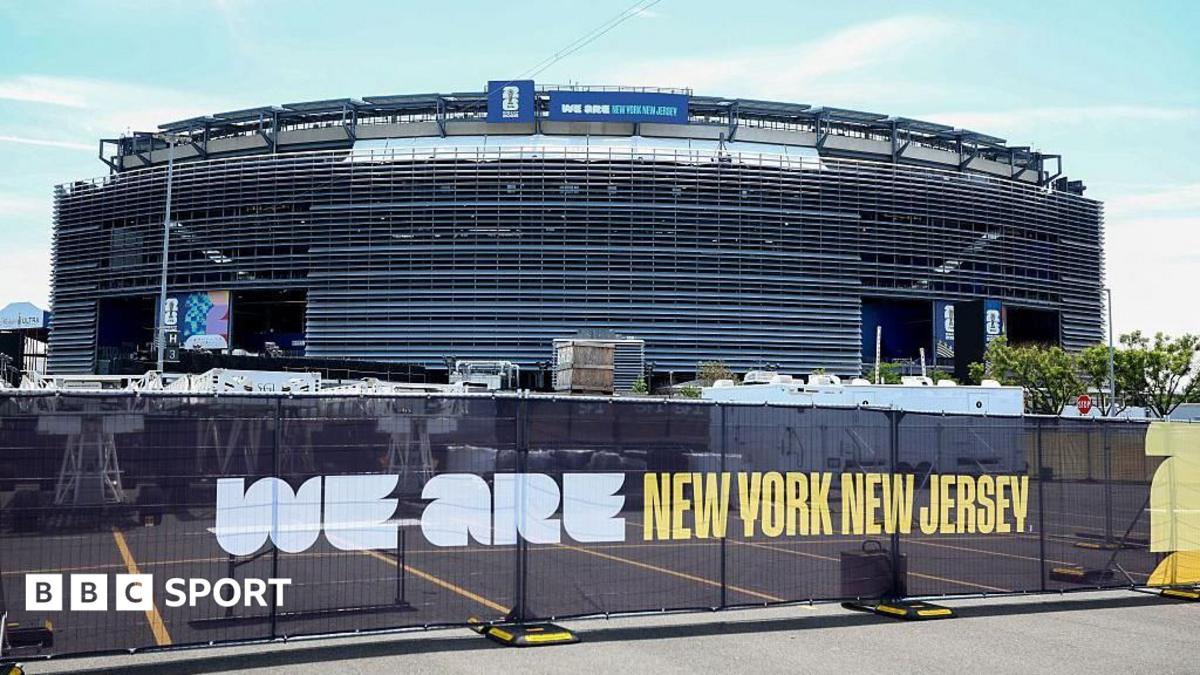
The stage is set for the biggest sporting spectacle on the planet, but the choice of venue for the 2026 FIFA World Cup Final is proving to be a highly divisive topic. When FIFA officially announced that MetLife Stadium in East Rutherford, New Jersey, would host the ultimate match, it ignited a fierce debate among football purists and casual fans alike. Is the home of the NFL's New York Giants and New York Jets a worthy crown jewel for the beautiful game, or merely a safe, uninspired choice?
According to BBC Sport's North America correspondent Nada Tawfik, the decision to award the final to MetLife was far from straightforward. The venue faced ferocious competition from other state-of-the-art facilities across the United States. AT&T Stadium in Dallas—famed for its colossal screen and the aggressive lobbying of owner Jerry Jones—and the glitzy, multi-billion-dollar SoFi Stadium in Los Angeles were both heavily favored to snatch the marquee event. Ultimately, however, the unparalleled transportation infrastructure and the global allure of the New York metropolitan area won the bid.
Yet, the skeptics remain vocal. Critics argue that MetLife lacks the inherent romanticism and football-specific heritage found in legendary grounds like Wembley or the Maracanã. To some, the venue feels a bit "blah"—a sterile, corporate bowl designed primarily for American football rather than the rhythmic, passionate atmosphere demanded by global soccer.
Furthermore, there are lingering concerns regarding the playing surface. MetLife utilizes artificial turf, meaning a temporary grass pitch will need to be meticulously installed over the synthetic flooring for the World Cup. Historically, elite footballers have heavily criticized such hybrid setups, citing increased risks of injury and unpredictable ball bounce.
Then there is the unpredictable climate. The US East Coast in mid-July is notorious for its sweltering heat and suffocating humidity, meteorological factors that could drastically impact the pace and quality of a high-stakes, 90-minute battle.
Conversely, tournament organizers point to the stadium's sheer scale as a massive triumph. With a capacity exceeding 82,000, MetLife offers a colossal stage capable of accommodating an enormous influx of traveling supporters, promising a once-in-a-lifetime economic boom for the region. As Tawfik highlights for BBC Sport, the commercial and logistical appeal of the New York market was simply too massive for FIFA to ignore.
Ultimately, while architectural purists may grimace at the choice of a multi-purpose NFL arena, it is vital to remember that a stadium is merely a canvas. What truly elevates a venue to legendary status is the history forged on the pitch. When two nations walk out for the final in July 2026, the debate over MetLife's aesthetics will instantly fade, replaced by the sheer magic of World Cup glory.
🔥 Discover More World Cup Content
Sponsored
Related News
The Italian Job: How Serie A Continues to Haunt England's World Cup Dreams
Football Italia · Jul 18
Infantino Expected to Dodge IOC Sanctions Amid Trump-Balogun Scandal
Guardian Football · Jul 18
Visa Hiccup: Spain Legend Capdevila Seeks Presidential Intervention Ahead of 2026 World Cup Final
BBC Sport · Jul 18