Echoes of '66: How Nobby Stiles' Tragic Inquest is Shaping Player Safety Ahead of World Cup 2026
BBC Sport·July 15, 2026
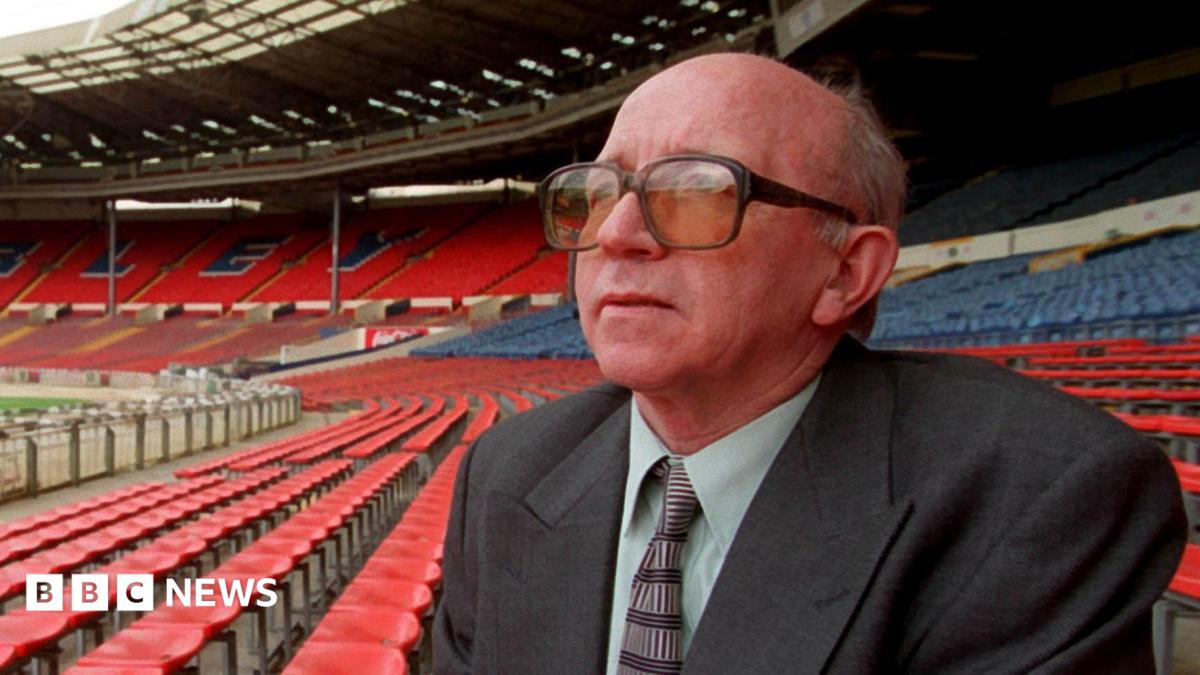
As the football world turns its eager eyes toward the expansive horizon of the FIFA World Cup 2026, a somber reality from the sport's past continues to cast a long, necessary shadow over the modern game. According to BBC Sport, a coroner has officially concluded that England’s 1966 World Cup-winning hero, Nobby Stiles, died with a devastating brain condition directly caused by repeatedly heading footballs.
The inquest into the legendary midfielder’s death confirms a tragic link that has haunted the beautiful game for decades. Stiles, who famously played without his front teeth and tackled with relentless courage, passed away in 2020. However, the recent findings bring a definitive, clinical verdict to his decline: he suffered from chronic traumatic encephalopathy (CTE), an irreversible condition triggered by years of heading heavy, old-school leather footballs.
While we celebrate the gladiators of the past, this heartbreaking news forces a vital conversation as we prepare for the 2026 World Cup across North America. The contrast between Stiles' era and today is stark. Modern footballs are significantly lighter, and the sport's medical infrastructure has evolved drastically. Yet, the fundamental mechanics of the sport remain inherently risky. For tournament organizers, team medical staffs, and global governing bodies, the findings reported by BBC Sport must act as a catalyst for uncompromising vigilance.
Heading protocols, particularly in youth academies and during professional training sessions, have already been introduced globally. Still, Stiles' inquest is a stark reminder that the battle for long-term player welfare is far from won. As nations gear up for the ultimate showdown in the United States, Canada, and Mexico, the physical and neurological health of the athletes must remain paramount. With the increased pace and physicality of the modern game, in-game concussion substitutions and strict return-to-play protocols will be heavily scrutinized on the world's biggest stage.
Nobby Stiles will forever be immortalized as a titan who helped lift the Jules Rimet trophy in 1966. But as his story echoes into the present, his legacy transcends the silverware. His tragic diagnosis serves as a crucial, life-saving blueprint for the future of football—a future where the heroes of World Cup 2026 can entertain the globe without sacrificing their long-term health.
🔥 Discover More World Cup Content
Sponsored
Related News
World Cup 2026 Auditions: Premier League Giants Chase Major Transfer Targets
BBC Sport · Jul 15
The Man Behind the Monitor: Marco Di Bello Takes VAR Helm for Epic England vs. Argentina Clash
Football Italia · Jul 15
UK Broadcasters Confirm Full Coverage of Historic World Cup 2026 Half-Time Spectacle
Guardian Football · Jul 15