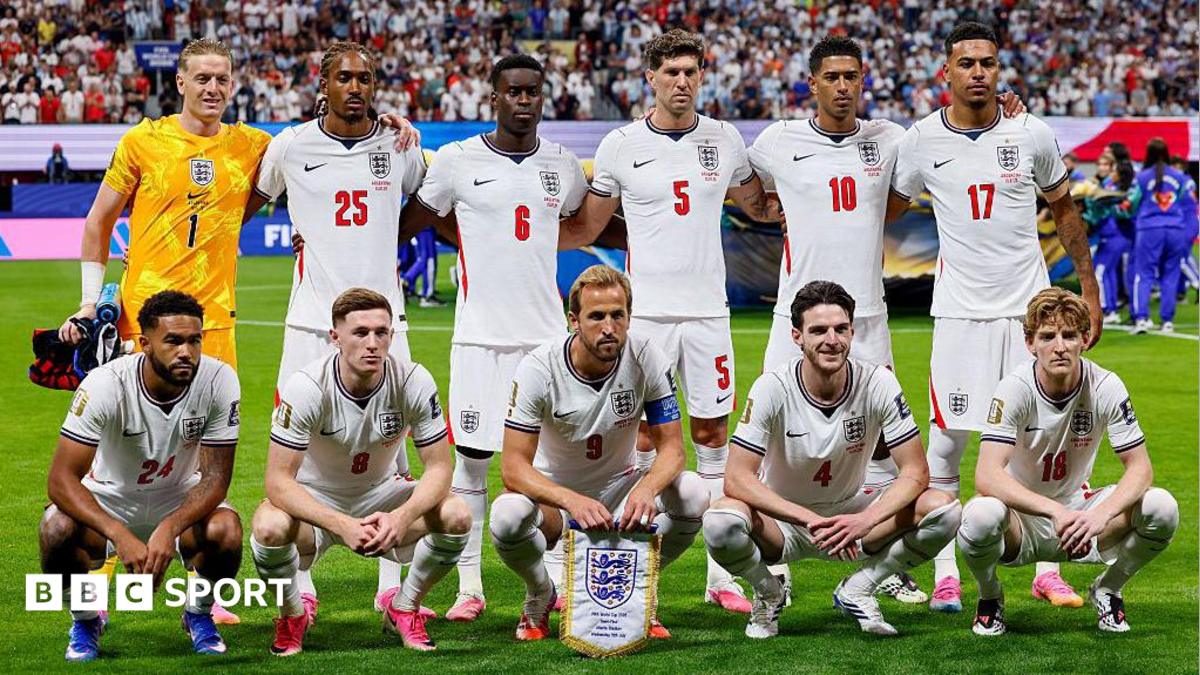
Engagement Over Ethics: How Social Media Algorithms Amplified Racist Abuse of England's World Cup Stars
BBC Sport·August 19, 2026
Racist abuse aimed at England footballers during the World Cup did not spread by accident — it was supercharged by the very algorithms social media platforms use to drive engagement and profit, according to new research reported by BBC Sport.
The study found that recommendation systems designed to surface the most 'engaging' content repeatedly lifted hateful posts into wider circulation, transforming what might have remained isolated pockets of abuse into viral storms visible to millions. For the players targeted, the abuse arrived not in a trickle but a flood, hitting hardest during and after matches on football's biggest stage.
The mechanism, researchers say, is simple and deeply troubling. Platforms rank posts according to how likely users are to react to them, and outrage is among the most powerful engagement triggers of all. A post attacking a player sparks anger, replies, reposts and quote-posts — signals the algorithm interprets as success. The more toxic the content, the more interaction it generates, and the further it spreads. Crucially, every additional scroll through the resulting pile-on delivers another ad impression, meaning platforms profit from the very content poisoning the environment around the game.
England's Black players have become repeat targets during major tournaments, with abusive messages spiking sharply after high-profile fixtures. The research suggests these waves were not purely organic fan behaviour, but were amplified — and in some cases sustained — by platform systems that prioritise reaction over responsibility.
The findings will intensify pressure on social media companies at a moment when scrutiny of their practices is already fierce. Football authorities, players' unions and anti-discrimination campaigners have long demanded stronger action, including faster removal of abusive content, tougher identity verification measures and genuine transparency about how recommendation algorithms operate. The report adds significant weight to those calls, arguing that platforms cannot credibly claim neutrality when their own systems determine what millions of users see — and profit from whatever keeps them scrolling.
The timing sharpens the debate. The 2026 World Cup, co-hosted by the United States, Mexico and Canada and expanded to 48 teams, is expected to be the most digitally engaged tournament in history. With a larger field, more nations and an even bigger global audience across platforms, the scale of potential online abuse — and potential algorithmic amplification — grows with it. Players, unions and governing bodies will be watching closely to see whether the major platforms have learned anything before the world's attention converges on North America.
For now, the report's central conclusion stands as an uncomfortable indictment of the digital ecosystem surrounding the modern game. The racism aimed at England's players was not merely tolerated by the system. In the relentless pursuit of engagement and profit, the system served it up, spread it wide — and cashed in.
🔥 Discover More World Cup Content
Sponsored
Related News
Kane Lifts the Trophy, Gordon Supplies the Spark — England's Euro Triumph Points Straight at 2026
Sky Sports · Aug 24
'It Can Only Be Harry': Bayern Munich Throw Full Weight Behind Kane's Ballon d'Or Bid
Sky Sports · Aug 24
Martinelli's Arsenal Exile Sparks World Cup 2026 Fears as Premier League Season Opens
Guardian Football · Aug 24