Fainting Fans and Sweltering Stars: K-League Coaches Push for Historic Winter Calendar Switch
Guardian Football·September 14, 2026
When more than 70 percent of a league's coaches agree on something, football tends to take notice. In South Korea, that point of consensus is the calendar — specifically, the pressing need to move the K-League season out of the country's increasingly brutal summers.
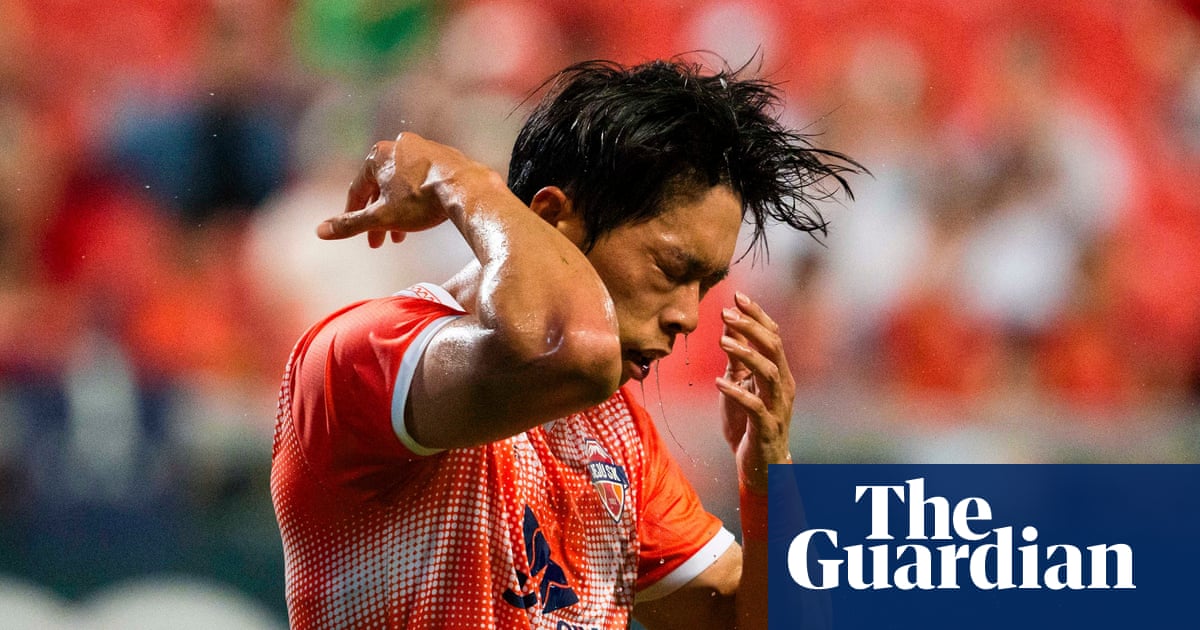
A survey revealed last week found that coaches in Asia's oldest professional league overwhelmingly support a switch from the traditional March-to-November schedule to the European format, which kicks off in late August and pauses for a winter break. The findings arrive as concerns mount over player welfare and fan safety, with reports of spectators fainting in the stands and players battling through oppressive heat and humidity.
The K-League's scheduling problem has long been a Goldilocks dilemma. Winters on the Korean Peninsula are famously frigid, historically ruling out a true autumn-to-spring calendar. But summers — once merely uncomfortable — have become genuinely hazardous, with soaring temperatures transforming midseason fixtures into ordeals rather than spectacles.
South Korea may be known as the Land of the Morning Calm, but for much of the year the weather is anything but calm. Climate realities are now forcing administrators to choose between two imperfect options: stick with a schedule that exposes players and supporters to dangerous heat, or embrace the European model and reckon with cold-weather football.
The push to align with Europe mirrors moves already underway in Japan, where the game's authorities have been seeking synchronization with the continental calendar. The implications stretch far beyond comfort. A shared schedule would smooth player transfers between Asia and Europe, reduce fixture congestion for players involved in European competitions, and strengthen the commercial ties linking Asian leagues to the world's richest football markets.
Skeptics will point to the obvious hurdle: Korean winters can be punishingly cold, raising questions over pitch conditions, stadium infrastructure, and travel logistics during the harshest months.
Still, momentum is building. With coaches united and Japan blazing a regional trail, the K-League could be on the verge of the most significant structural change in its history. The task now falls to league officials to determine whether a winter-break calendar can finally deliver the balance that has eluded Korean football for decades — a season played in conditions fit for both the athletes on the pitch and the fans in the stands.
This article is based on original reporting by The Guardian (Guardian Football).
🔥 Discover More World Cup Content
Sponsored