FIFA Hits the Gas: Plans for a 64-Team 2030 World Cup Fast-Tracked
Guardian Football·August 1, 2026
While the football world is eagerly anticipating the expanded 48-team format for the upcoming 2026 World Cup across North America, FIFA is already plotting an even more massive overhaul for the decades to come. According to a revealing report from Guardian Football, the global governing body is aggressively fast-tracking plans to balloon the 2030 World Cup to a staggering 64 teams.
In what has been a week of astonishing revelations regarding the future reshaping of the beautiful game, FIFA has opened a tender for research companies to assess the economic benefits of such an expansion. However, it is the timeline of this project that is raising eyebrows across the sports industry. A confidential "research brief" seen by Guardian Football outlines a remarkably accelerated consultation process.
The timeline operates at breakneck speed: the winning research firm will be chosen on August 14 and will be handed a mere four weeks to conduct a comprehensive analysis of the proposed expansion. FIFA has mandated that the final economic report must be delivered by September 11. This highly condensed timeframe strongly indicates that the governing body wants a definitive decision on the 64-team format voted on before the calendar year closes.
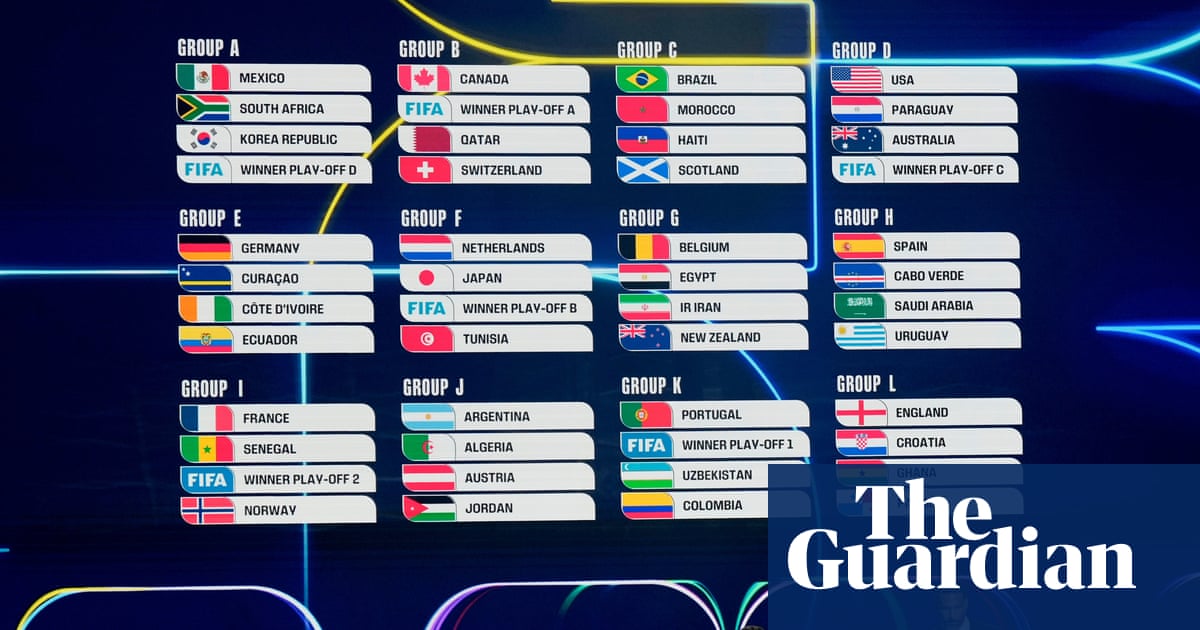
If approved, the move to 64 teams would mark the second major World Cup format change in just over a decade. The 2026 tournament—hosted by the United States, Canada, and Mexico—will already be the first to feature 48 nations. Jumping to 64 teams for 2030 is a colossal leap that would fundamentally alter the rhythm of the tournament. While adding 16 extra nations would undoubtedly generate massive new broadcasting and sponsorship revenue streams—offering a golden ticket to dozens of emerging footballing markets—critics are already questioning the sporting integrity of such a bloated format.
For fans and players alike, the immediate focus remains on the 2026 spectacle. Yet, behind closed doors, the roadmap for 2030 is being drawn up with unprecedented urgency. As FIFA races to secure its financial and structural forecast for the future, the global football community waits to see if the World Cup will soon grow to unprecedented, and perhaps unmanageable, proportions.
🔥 Discover More World Cup Content
Sponsored
Related News
World Cup 2026: The 18-Year-Old Prodigies Ready to Shock the Global Stage
Guardian Football · Jul 31
Fuel Your World Cup 2026 Fever: Why The Guardian's Football Daily is a Must-Read
Guardian Football · Jul 31
Beyond the Pitch: Your Ultimate Guide to Women's Football Ahead of World Cup 2026
Guardian Football · Jul 31