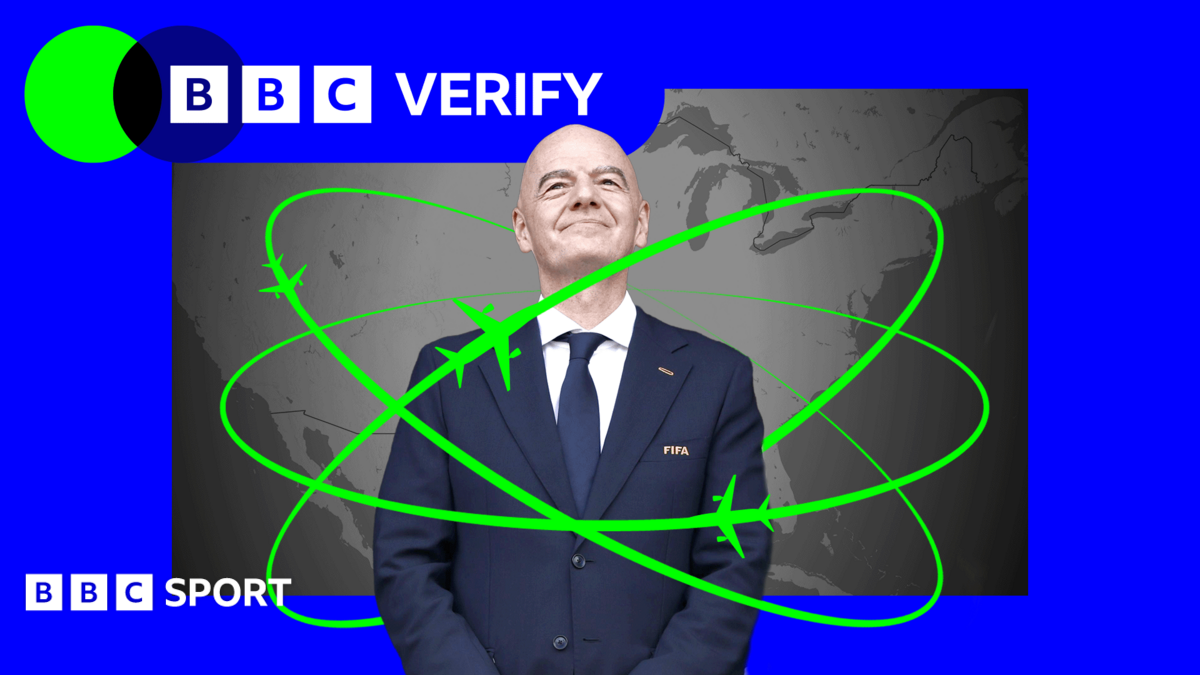
Footprint of Football: Gianni Infantino's 27-Flight World Cup Tour Draws Environmental Scrutiny
BBC Sport·June 28, 2026
As the FIFA World Cup 2026 approaches, the beautiful game is colliding with an uncomfortable environmental reality. FIFA President Gianni Infantino has been crisscrossing North America in a frantic effort to oversee preparations and attend matches, but the logistical marvel of his itinerary comes with a staggering ecological price tag. According to BBC Sport, Infantino has embarked on an astonishing 27 separate flights, taking in 24 matches while clocking up thousands of air miles across the continent.
The 2026 tournament, which will be the first to feature 48 teams and the first to be co-hosted by three nations—the United States, Canada, and Mexico—presents an unprecedented geographical challenge. To promote the event and personally inspect venues, Infantino’s globetrotting has essentially mirrored the sprawling nature of the tournament itself. While his presence at stadiums from Vancouver to Guadalajara to New York demonstrates FIFA's commitment to a unified, continent-wide spectacle, critics are quick to point out the apparent hypocrisy regarding the organization’s long-standing sustainability pledges.
Football's governing body has frequently championed its commitment to reducing carbon emissions, pledging to make future tournaments as green as possible. However, the president’s heavily flight-dependent schedule threatens to undermine those very initiatives. The carbon cost of 27 flights in a short period is substantial, contributing to the environmental degradation that FIFA has publicly vowed to combat. For a tournament already facing intense scrutiny over its massive footprint due to the increased travel required for fans and teams alike, the leader's jet-setting tour sets a highly controversial precedent.
Despite the environmental backlash, FIFA's leadership remains adamant that hands-on oversight is necessary for an event of this magnitude. The sheer scale of the 2026 World Cup requires meticulous coordination across massive borders and diverse time zones. Infantino’s camp argues that his physical presence is vital to ensure stadiums, local infrastructure, and organizing committees are on track for the largest sporting event in history. His tour has allowed him to engage directly with local stakeholders, inspect facilities, and witness the growing football fever gripping North America firsthand.
Yet, as the countdown to kickoff continues, the glaring juxtaposition is impossible to ignore. The disconnect between FIFA's sustainability rhetoric and the reality of executive air travel highlights the complex, often contradictory nature of modern global sports. As fans, players, and officials prepare for a truly pan-continental World Cup, the tournament's ultimate success will be measured not just in goals and global viewership, but by how heavily its carbon footprint weighs on the planet.
🔥 Discover More World Cup Content
Sponsored