From Cornish Mines to World Cup 2026: The Unexpected Roots of Mexican Football
BBC Sport·August 1, 2026
When the FIFA World Cup 2026 kicks off next summer, Mexico will cement its legacy in global footballing history. By co-hosting the tournament alongside the United States and Canada, *El Tri*’s home nation will become the first country to ever host—or co-host—the prestigious tournament on three separate occasions. Yet, as the world turns its eyes to the modern coliseums of North America, a fascinating historical narrative has emerged regarding the true origins of the sport in Mexico. As detailed by BBC Sport, the foundational roots of Mexican football do not stem from traditional South American or mainland European influences, but rather from the damp, tin-mining county of Cornwall in South West England.
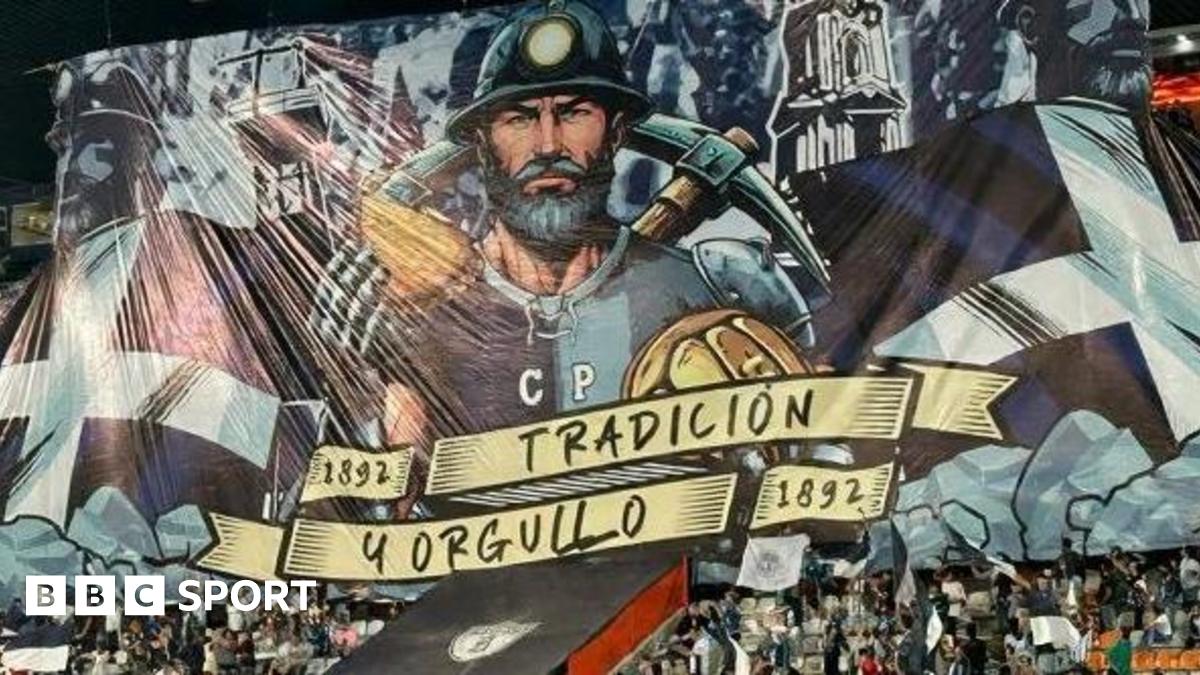
It is a remarkable tale of industrial migration and cultural exchange. In the late 19th and early 20th centuries, Mexican mining companies desperately sought the expertise of skilled engineers to help extract minerals from the earth. They turned to Cornwall, a region globally renowned at the time for its mining prowess. Hundreds of Cornish miners, affectionately known as 'Cousin Jacks', made the arduous transatlantic journey to work in Mexican mining towns like Pachuca and Real del Monte.
However, these expatriate workers brought much more than just industrial tools and engineering expertise; they brought a heavy leather ball and a deep passion for the fledgling sport of association football. To combat homesickness and maintain their physical fitness, the Cornish miners began playing their beloved sport on dusty, makeshift dirt pitches. This led to the formation of Pachuca Athletic Club in 1901, an institution that still exists today as C.F. Pachuca, one of the most successful and oldest professional football clubs in the Americas.
The local Mexican population, initially bewildered by the foreign spectacle, soon became captivated by the energetic, fast-paced game. What began as an exclusive recreational activity for European immigrants quickly spilled over into the local communities. The indigenous Mexican workforce eagerly adopted the sport, laying the groundwork for what would eventually evolve into Liga MX and the deeply ingrained, fanatical football culture that defines the nation today.
As highlighted by BBC Sport, this rich, transatlantic connection adds a profound layer of romance to Mexico's upcoming World Cup hosting duties. When the stadium lights blaze and millions of passionate *aficionados* roar for their national team in 2026, they will be celebrating a sporting heritage born from the dirt fields of Cornish miners over a century ago. It serves as a brilliant reminder that football, above all else, is a global game built on the most unexpected of human connections.
🔥 Discover More World Cup Content
Sponsored
Related News
Chiesa Chooses Anfield: A High-Stakes Premier League Gamble Ahead of World Cup 2026
Football Italia · Aug 1
FIFA in Turmoil: Infantino's World Cup Privatization Plan Sparks Revolt from UEFA and Concacaf
Guardian Football · Aug 1
Echoes of the Pitch: How 'Can We Kick It?' Exposes the Cracks in US Soccer After a Bitter 2026 Exit
Guardian Football · Aug 1