From Cornish Tin Mines to the World Cup Stage: Mexico's Surprising Football Origins
BBC Sport·August 20, 2026
When the opening whistle blows at Mexico City's Estadio Azteca in June 2026, Mexico will make footballing history as the first country ever to host — or co-host — the World Cup on three separate occasions, following its landmark tournaments in 1970 and 1986. Yet, as BBC Sport reveals, the story of how the beautiful game first took root in Mexico begins not in the sprawling capital, but more than 4,000 miles away, in the tin mines of Cornwall.
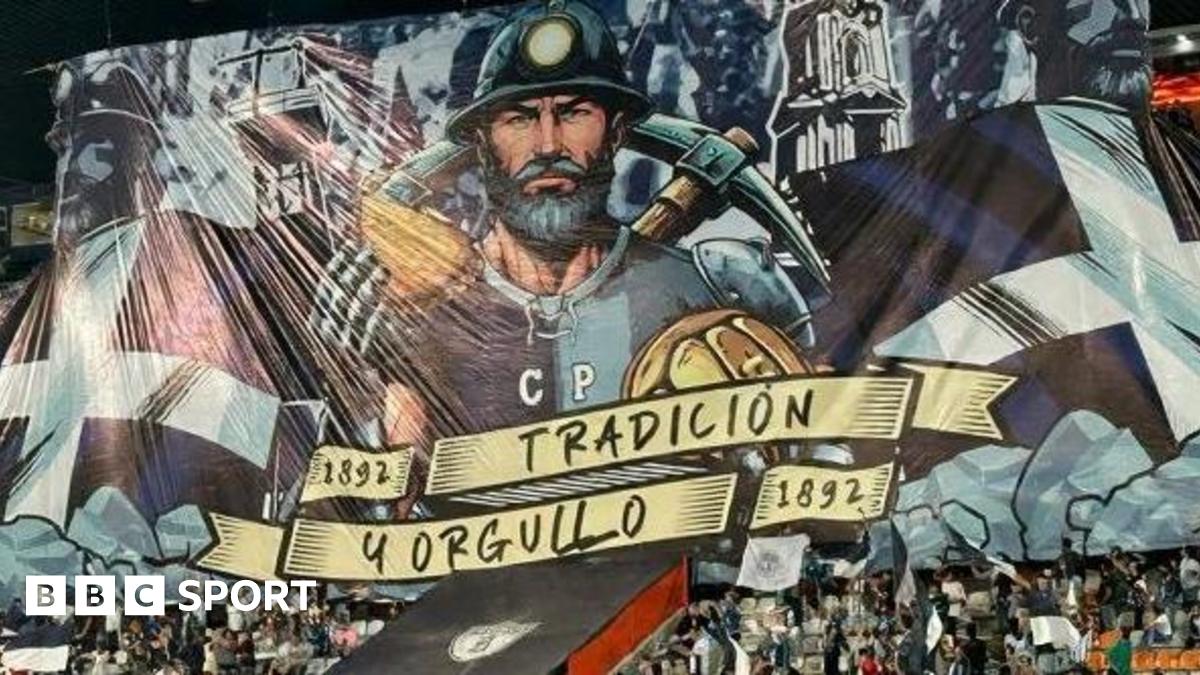
In the nineteenth century, Cornwall's mining industry was famed across the globe, and its engineers and labourers were in demand wherever valuable ore lay buried. Among the destinations that drew Cornish families abroad was the state of Hidalgo, northeast of Mexico City, where the silver mines of Pachuca and Real del Monte beckoned. The 'Cousin Jacks', as Cornish miners were affectionately known, brought with them far more than drilling expertise and hard-won technical knowledge.
They also carried their pastimes — and chief among them was football. In the early years of the twentieth century, workers from Cornwall began kicking a ball around on the dusty pitches of Pachuca, and in 1901 they founded Pachuca Athletic Club. That institution survives to this day as Club de Fútbol Pachuca, one of the oldest football clubs in the Americas and a genuine powerhouse of the modern Mexican game, with multiple league titles and international trophies to its name.
The Cornish influence on the region extended beyond the pitch. The humble pasty travelled with the miners and evolved into the 'paste', a beloved street food still sold throughout Hidalgo today — a tasty reminder of the transatlantic bond. But it is football that became the miners' most transformative export. The sport they introduced spread from Hidalgo across the country, taking hold in mining communities, factories and eventually the great cities, before the Mexican league system formalised competition in the decades that followed.
Fast forward to 2026, and Mexico will co-host the tournament with the United States and Canada, welcoming matches to Mexico City, Guadalajara and Monterrey. The Azteca — the only stadium ever to stage two World Cup finals — will add yet another chapter to its legend.
That a game brought over by a small community of Cornish expatriates would one day become Mexico's national obsession, and that the nation would go on to host football's grandest spectacle a record three times, is a testament to football's extraordinary capacity to travel, adapt and flourish. As fans from Truro to Tijuana prepare for the tournament, they might raise a pasty — or a paste — to the miners who started it all.
This article is a rewrite of reporting originally published by BBC Sport.
🔥 Discover More World Cup Content
Sponsored
Related News
Kane Lifts the Trophy, Gordon Supplies the Spark — England's Euro Triumph Points Straight at 2026
Sky Sports · Aug 24
'It Can Only Be Harry': Bayern Munich Throw Full Weight Behind Kane's Ballon d'Or Bid
Sky Sports · Aug 24
Martinelli's Arsenal Exile Sparks World Cup 2026 Fears as Premier League Season Opens
Guardian Football · Aug 24