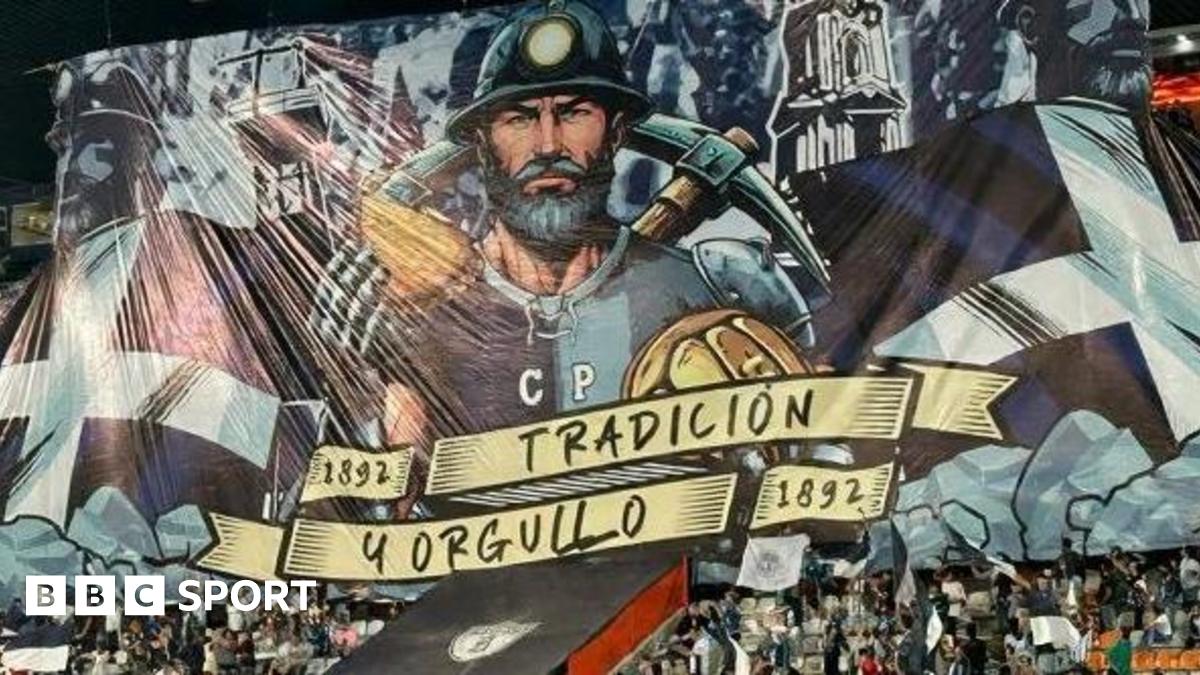
From Cornwall to the Cup: How Tin Miners Planted Football's Seeds in Mexico
BBC Sport·September 4, 2026
When Mexico opens the 2026 FIFA World Cup next summer, it will become the first nation ever to stage football's greatest showpiece three times, following its celebrated hosting duties in 1970 and 1986. Yet as the countdown continues, a remarkable and often forgotten chapter of the country's footballing history has resurfaced — one that begins not in Mexico City or Guadalajara, but in the tin mines of Cornwall, England.
As BBC Sport documents, the roots of Mexican football can be traced to the 19th century, when waves of skilled Cornish miners emigrated to central Mexico to work the rich silver deposits of Real del Monte and Pachuca in the state of Hidalgo. Hardened by generations of labour underground in Britain, these workers arrived with more than technical know-how. They carried their culture: Methodist chapels, brass bands, the beloved Cornish pasty — and a passion for the fledgling game of football.
By the turn of the 20th century, the Cornish community was organising matches on rough pitches near the mine shafts, contests widely credited as some of the first organised football games played on Mexican soil. In 1901, British workers and local enthusiasts founded Club de Futbol Pachuca, which survives today as one of the oldest continuously operating clubs in the Americas and a six-time CONCACAF champion.
The Cornish legacy extends well beyond the touchline. The humble pasty was embraced and adapted by local cooks into the paste, a flaky filled pastry that remains a signature street food in Pachuca and Real del Monte, where festivals still honour the transatlantic bond.
Mexico's 2026 matches will be played in Mexico City, Guadalajara and Monterrey as part of an expanded 48-team tournament co-hosted with the United States and Canada. The iconic Estadio Azteca is set to become the first stadium in history to stage matches at three World Cups, adding yet another milestone to a footballing identity now more than a century old.
That identity, first planted by miners who kicked a ball around after long shifts underground, grew into a national obsession — one that produced legends like Hugo Sanchez and carried the national team to World Cup quarter-finals on home soil in both 1970 and 1986.
As supporters from around the world descend on Mexico next year, they will be following a trail unwittingly blazed by Cornishmen who crossed the ocean in search of silver and, quite accidentally, delivered something even more precious: the beautiful game.
🔥 Discover More World Cup Content
Sponsored
Related News
Captain Bowen's Brace Ends 31-Year Wait as West Ham Seize Championship Summit
Guardian Football · Sep 9
Mbappé and Valverde Fire Real Madrid Past Inter Milan in Timely World Cup 2026 Form Boost
Sky Sports · Sep 9
Record-Breaking Summer: MLS Clubs Splurge Nearly $190M as World Cup 2026 Looms
Guardian Football · Sep 9