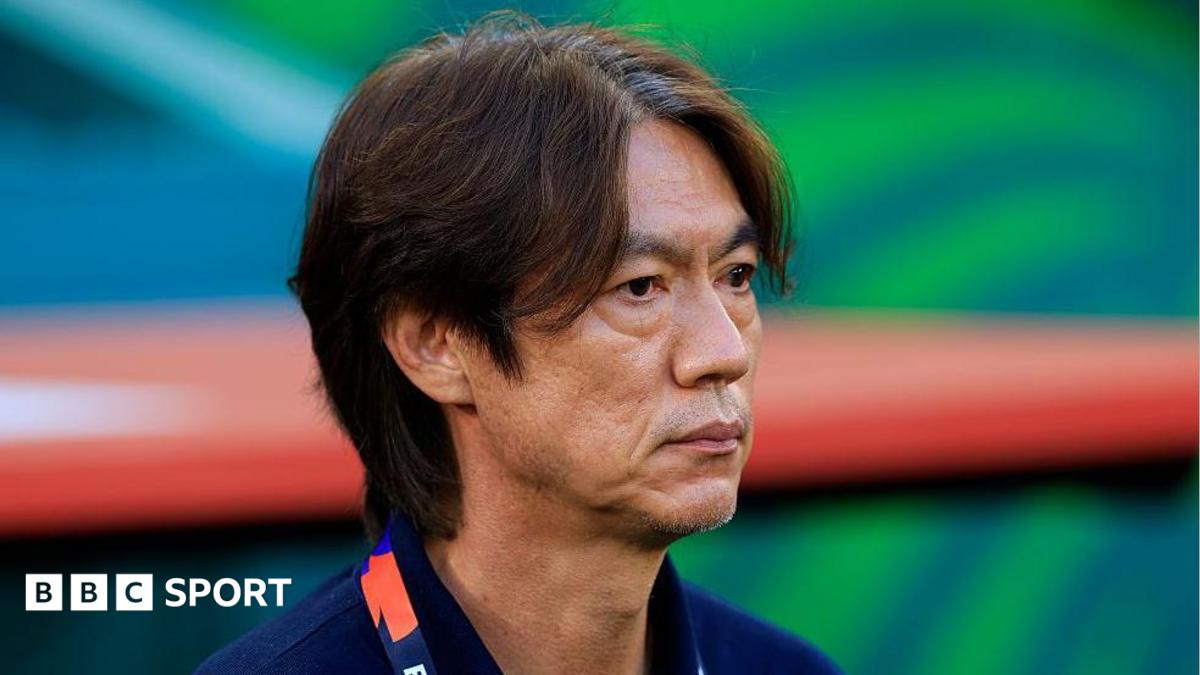
From Hope to Hostility: South Korea's 2026 World Cup Exit Triggers Footballing Crisis
BBC Sport·June 29, 2026
The echoes of the final whistle in North America had barely faded before the recriminations began back in Seoul. South Korea’s premature exit from the 2026 FIFA World Cup has not just broken hearts; it has plunged the entire footballing infrastructure of the nation into a state of open crisis. According to an in-depth investigation by BBC Sport, the fallout from the Taegeuk Warriors' disappointing campaign has been swift, severe, and deeply turbulent.
Expectations were sky-high heading into the expanded 48-team tournament. Armed with a golden generation of European-based talent, South Korea was supposed to capitalize on years of steady international progress. Instead, a disjointed and uninspiring group stage performance has laid bare the deep cracks in the foundation of the Korea Football Association (KFA). The immediate aftermath has been characterized by alarming toxicity. BBC Sport highlights a dark side of the beautiful game, detailing how furious supporters, devastated by the lack of on-pitch cohesion, directed their wrath at the squad and coaching staff. Several figures within the camp were subjected to vicious online abuse, culminating in sinister death threats that have forced security reassessments.
Unsurprisingly, the axe fell quickly at the top. The sacking of the head coach—once heralded as the tactical savior of the national team—was executed with ruthless efficiency. However, the BBC Sport report makes it clear that changing the manager is merely a band-aid on a bullet wound. The crisis runs far deeper than sideline decisions. It is a systemic failure.
The investigation points to a stark 'rise and fall' narrative. For the past decade, South Korean football rode the wave of individual brilliance, relying on global superstars to mask the deficiencies of domestic youth development. Without a cohesive tactical structure to support the squad, the 2026 World Cup proved to be a brutal reality check. The much-celebrated golden generation has lost its edge, and the structural pipeline is failing to produce ready-made replacements capable of competing at the highest international level.
As the dust settles on a disastrous World Cup campaign, South Korean football stands at a historic crossroads. The sackings, the outrage, and the threats are the frantic symptoms of a desperate need for a root-and-branch review. If the Taegeuk Warriors are to salvage their pride and rise again on the global stage, the KFA must look past quick fixes and completely rebuild the soul of its footballing identity.
🔥 Discover More World Cup Content
Sponsored
Related News
Three Lions Roar Peacefully: England Fans Earn Top Marks in USA, But Home Front Sees Uptick in Trouble
BBC Sport · Jun 30
Knockout Chaos: France and Mbappe Clash with Sweden in World Cup 2026 Round of 32
Guardian Football · Jun 30
Milan Masterstroke: Goncalo Ramos' £60m Move Sets Stage for World Cup 2026
BBC Sport · Jun 30