From the Stands to the Global Stage: What World Cup 2026 Can Learn from WSL Fans
BBC Sport·July 24, 2026
As the countdown to the FIFA World Cup 2026 continues, tournament organizers would be wise to listen closely to the heartbeat of domestic football. Recently, BBC Sport conducted a comprehensive investigation into the current landscape of the Women’s Super League (WSL), speaking directly with devoted supporters of the league and the England Lionesses. Their findings highlight a crucial intersection of growth and growing pains that serve as a valuable blueprint for the global stage.
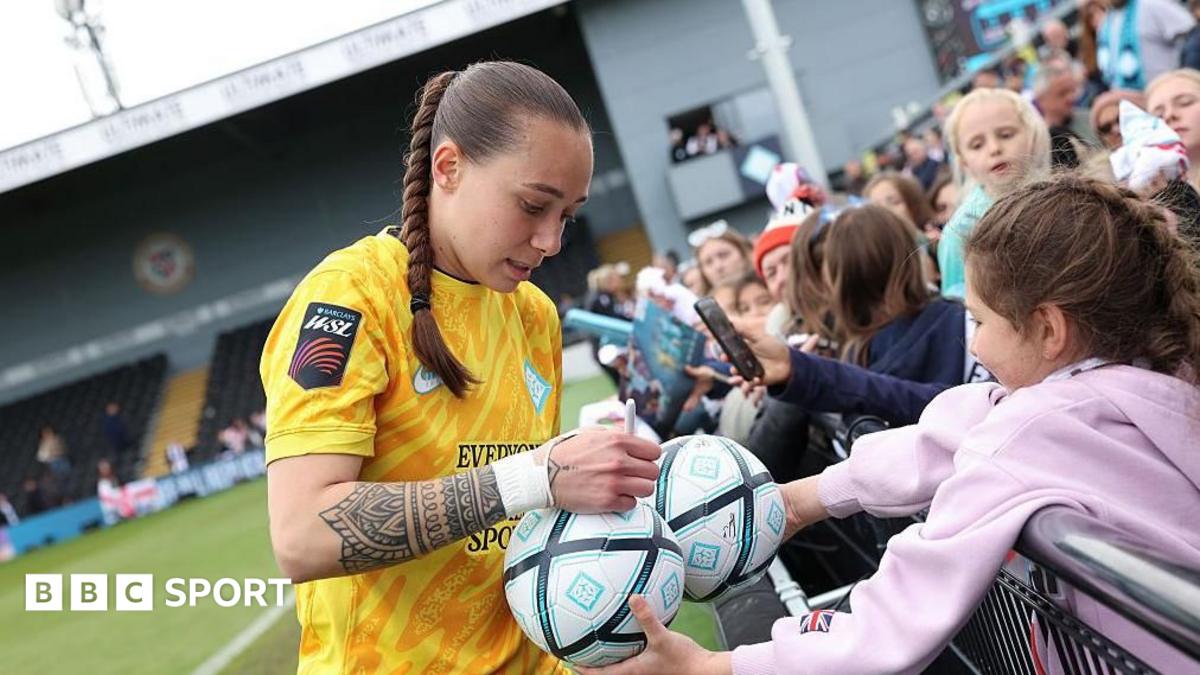
According to the BBC Sport report, the passion surrounding the women's game in England has never been more palpable. Supporters praised the accessible, family-friendly atmosphere that currently defines WSL matchdays. Fans feel a genuine, close-knit connection to the players, noting that the sport retains an authentic, community-driven spirit. This intimacy is exactly what makes domestic football so special, and it is an element that the 2026 World Cup host cities must strive to protect. When fans feel like they are part of a community rather than just a revenue stream, the beautiful game truly thrives.
However, the investigation also uncovered significant friction points. As the women's game rapidly professionalizes and crowds swell, the surrounding infrastructure has sometimes struggled to keep pace. Fans pointed to inconsistent scheduling, awkward stadium allocations, and the occasional alienation of die-hard supporters as major hurdles. Moving matches to massive, traditionally male-dominated venues has occasionally diluted the atmosphere when not completely sold out—a stark reminder that bigger stadiums do not automatically equate to a better matchday experience.
What does this mean for the FIFA World Cup 2026? As North America prepares to host an expanded, 48-team tournament across massive metropolises, the lessons from the WSL are glaring. While World Cup matches will undoubtedly sell out colossal arenas, the overarching supporter journey—from transparent ticketing to seamless stadium transport—must be flawless.
The Lionesses' faithful have made it clear: rapid commercial growth should never come at the expense of the loyal supporter. If the 2026 World Cup is to be remembered as the greatest yet, organizers must borrow the WSL's community-first ethos while aggressively solving the logistical bottlenecks that threaten to frustrate traveling fans. By listening to the voices in the stands today, FIFA can ensure the 2026 spectacle is a triumph for both the players on the pitch and the millions who pay to watch them.
🔥 Discover More World Cup Content
Sponsored
Related News
World Cup 2026 Implications: Celtic Poised to Land Hogh as Maeda and Danilo Near Scottish Exits
BBC Sport · Jul 24
Ink and Outrage: David Squires Captures the Magic and Madness of World Cup 2026's Second Week
Guardian Football · Jul 24
World Cup 2026 Prep Rocked: Socceroos' Volpato at Center of Shocking Drug and Speeding Scandal
BBC Sport · Jul 24