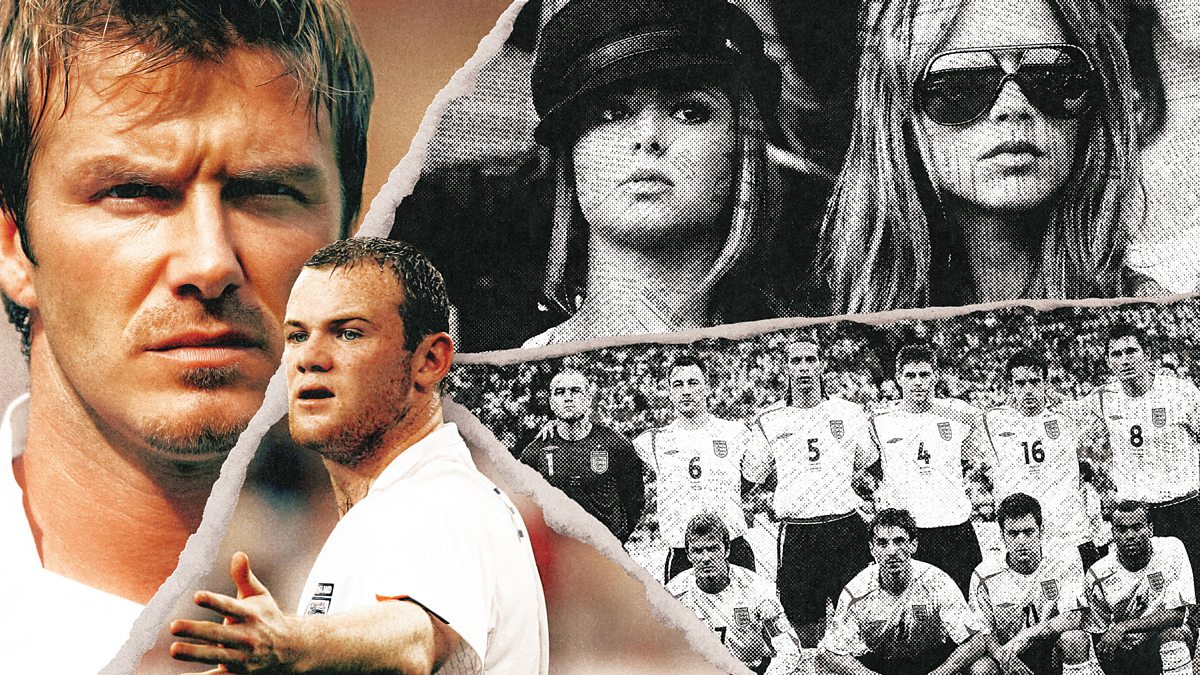
Ghosts of 2006: What England's 'Golden Generation' Can Teach the 2026 Three Lions
BBC Sport·August 1, 2026
As the global football community turns its eyes toward the historic 2026 FIFA World Cup—set to span the United States, Canada, and Mexico—the weight of expectation is once again resting heavily on the shoulders of the England national team. In a recent retrospective by BBC Sport, the spotlight was cast back two decades to examine a lingering question that still haunts English football: why did the vaunted 2006 World Cup dream end in such bitter agony?
The 2006 tournament in Germany was supposed to be the pinnacle for England's much-celebrated 'Golden Generation.' Managed by Sven-Göran Eriksson, the squad boasted a galaxy of Premier League stars, including David Beckham, Steven Gerrard, Frank Lampard, John Terry, and a young Wayne Rooney. On paper, it was a roster destined to end the nation's decades-long trophy drought. Yet, as BBC Sport highlights, the reality in Germany was a sluggish march defined by unfulfilled potential, tactical ineptitude, and crushing psychological barriers.
A core issue highlighted in the retrospective was the inability to mesh individual brilliance into a cohesive tactical unit. The relentless debate over how to balance the central midfield pairing of Gerrard and Lampard consistently stifled the team’s fluidity. Furthermore, Eriksson’s squad was notably hamstrung by physical setbacks, most notably Rooney’s metatarsal injury heading into the tournament, which left him lacking match sharpness and temperament.
The inevitable climax of that summer arrived in the quarter-finals against Portugal. What followed has become ingrained in English football infamy: Rooney’s frustration boiled over into a stamp on Ricardo Carvalho, resulting in a red card, followed by Cristiano Ronaldo’s infamous wink to the Portuguese bench. Reduced to ten men, England stubbornly held on for penalties, only to crash out in a dramatic shootout, with Gerrard, Lampard, and Jamie Carragher all missing from the spot.
Fast forward to the present day, and as England prepares for the 2026 World Cup, the parallels are impossible to ignore. A new generation of English talent—featuring the likes of Jude Bellingham, Phil Foden, and Bukayo Saka—carries the hopes of a desperate nation. The current iteration of the Three Lions possesses the same immense individual quality that defined the 2006 era, but they must be wary of repeating history.
As BBC Sport's look back suggests, talent alone does not win tournaments. The 2026 campaign will require a level of tactical harmony, squad depth, and mental resilience that Eriksson's 2006 squad simply could not muster. If England's modern stars can effectively exorcise the demons of their predecessors, the 2026 World Cup might finally be the stage where their own golden dreams are realized rather than left in agony.
🔥 Discover More World Cup Content
Sponsored
Related News
Echoes of 2006: Can England's 2026 Squad Escape the 'Golden Generation' Curse?
BBC Sport · Aug 1
World Cup 2026 Watch: Salah's Shock Trabzonspor Link and Transfer Gossip Impacting Global Stars
BBC Sport · Aug 1
Beyond the World Cup 2026: Your Ultimate Guide to the Upcoming Football Season on BBC Sport
BBC Sport · Aug 1