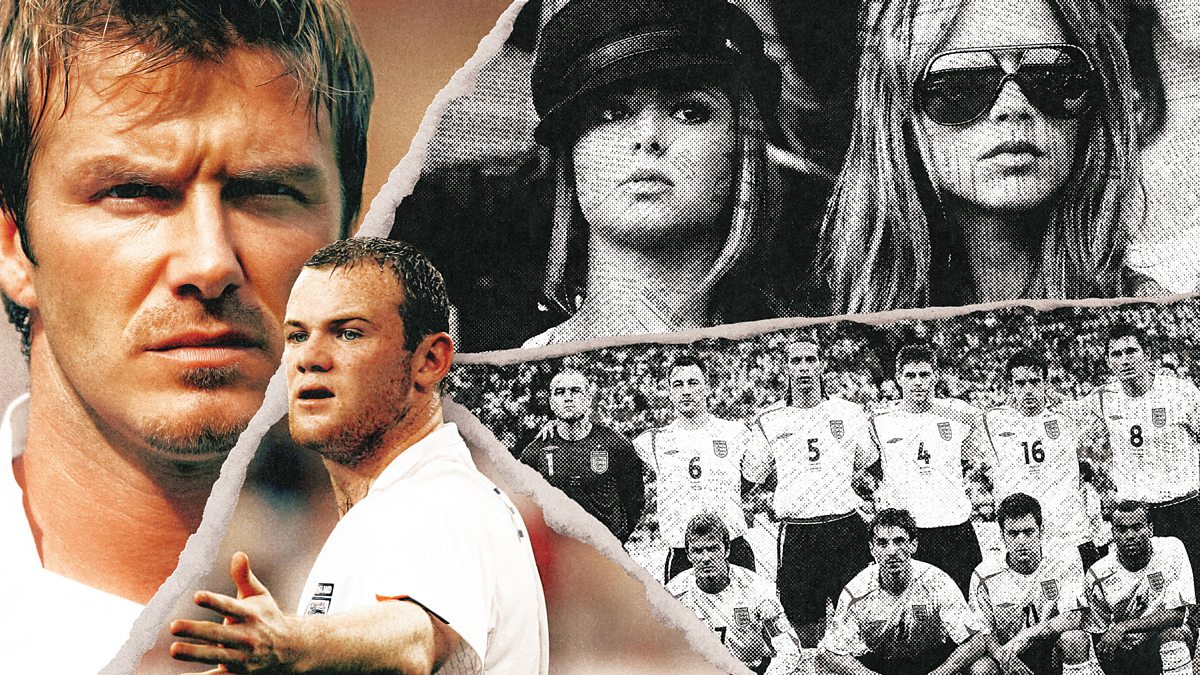
Ghosts of Gelsenkirchen: Why England's 2006 'Golden Generation' Failed to Deliver
BBC Sport·July 23, 2026
As the FIFA World Cup 2026 kicks off across North America, the spotlight inevitably turns to England and their perpetual pursuit of international glory. Every modern tournament brings fresh hope for the Three Lions, but it also resurrects the ghosts of competitions past. Twenty years ago, England arrived in Germany for the 2006 World Cup boasting what many still consider their most talented squad in a generation. Yet, as highlighted in a recent retrospective by BBC Sport, that tournament remains a defining tale of unfulfilled potential and bitter agony.
On paper, Sven-Göran Eriksson’s 2006 squad was a manager’s dream. With David Beckham orchestrating the play, Frank Lampard and Steven Gerrard dominating the midfield, John Terry and Rio Ferdinand marshaling the defense, and a young, explosive Wayne Rooney leading the line, expectations were astronomically high. However, the reality on the pitch was a far cry from the pre-tournament hype.
The campaign in Germany was characterized by tactical inertia and a glaring inability to get the best out of its superstar core. The fundamental issue was structural balance. The constant attempt to shoehorn both Gerrard and Lampard into central roles left the team defensively exposed and lacking a natural holding midfielder. Instead of a cohesive, flowing unit, England often looked like a collection of disparate individuals struggling to synthesize their club brilliance onto the international stage.
The dream ultimately shattered in Gelsenkirchen during a grueling quarter-final clash against Portugal. The defining moment—and arguably the most infamous of the tournament—came in the 62nd minute. Rooney was sent off for stamping on Ricardo Carvalho, an incident instantly punctuated by Cristiano Ronaldo’s notorious wink to the Portuguese bench. Reduced to ten men, England retreated deep, abandoning any attacking impetus and settling for a survivalist 4-5-0 formation.
When the deadlock remained unbroken, the dreaded penalty shootout loomed. It was here that England's psychological fragility was laid bare. The curse from the spot continued as Lampard, Gerrard, and Jamie Carragher all failed to convert. Portugal celebrated, and England flew home early, left to ponder what might have been.
Looking back from the vantage point of the 2026 World Cup, the 2006 campaign serves as a stark cautionary tale. It proved that individual talent is meaningless without tactical fluidity and mental resilience. As Gareth Southgate's current iteration of the Three Lions navigates the pressures of the modern game, the lingering agony of 2006 remains a powerful reminder of how easily a World Cup dream can evaporate.
🔥 Discover More World Cup Content
Sponsored
Related News
Echoes of 2006: Will England's 2026 Squad Avoid the World Cup Hype Trap?
BBC Sport · Jul 23
World Cup 2026: England's Richardson Aims for Ultimate Glory After Dramatic Australia Switch
Sky Sports · Jul 22
Azzurri Ready to Break the Bank: Guardiola in Talks to Lead Italy into 2026 World Cup
BBC Sport · Jul 22