Historic Break: World Cup 2026 Final Set for Unprecedented Extended Half-Time
BBC Sport·July 19, 2026
The beautiful game is about to experience a massive shift in its traditional rhythm. As the football world turns its attention to the highly anticipated 2026 FIFA World Cup, a groundbreaking change is already making headlines. According to BBC Sport, the upcoming World Cup final—poised to be a blockbuster showdown between European giants Spain and South American powerhouse Argentina—is set to feature the longest half-time interval in the storied history of the competition.
For decades, the standard 15-minute half-time break has been a sacred, unwavering constant in football. It is a brief window for players to catch their breath, for managers to tweak their tactics, and for fans to grab a quick refreshment. However, the 2026 final is rewriting that rulebook. While standard matches throughout the tournament will likely retain the traditional quarter-hour pause, the final itself will see this window significantly expanded.
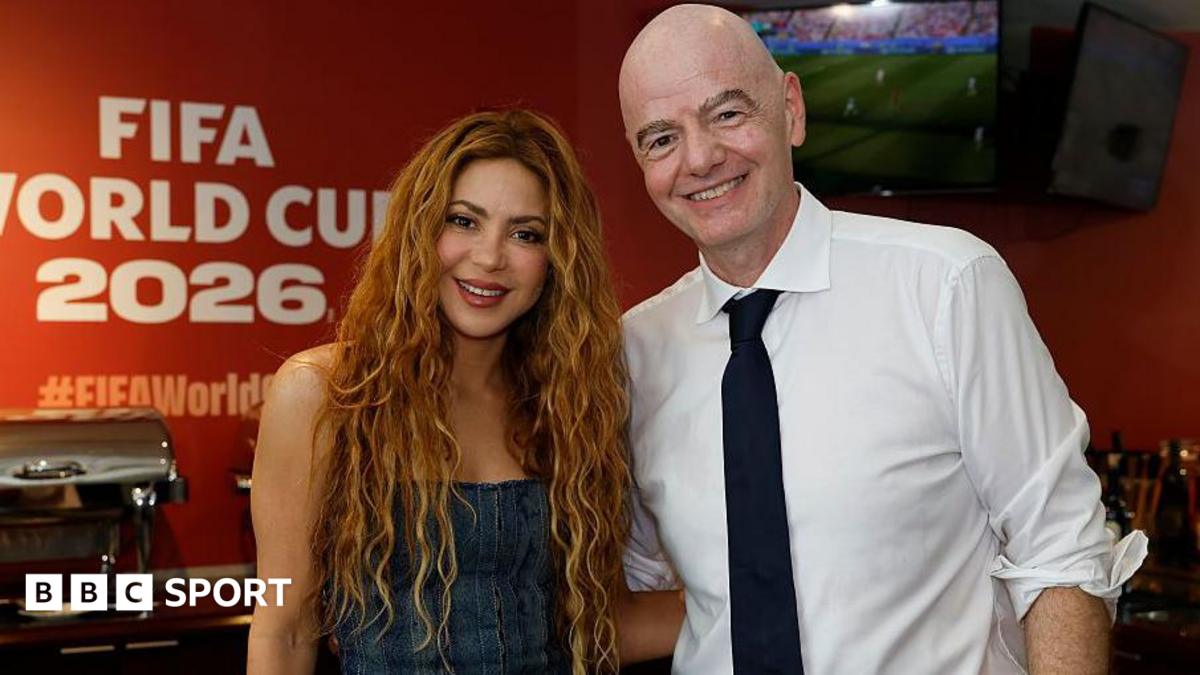
Why the drastic change? Tournament organizers are eager to transform the climax of the World Cup into a mega-sporting spectacle akin to the NFL's Super Bowl. The extended break is designed to accommodate a lavish, globally broadcast half-time show featuring top-tier musical entertainment, advanced augmented reality presentations, and elaborate cultural ceremonies. FIFA is looking to maximize global viewership and commercial revenue, bringing a fresh, entertainment-heavy flavor to the sport's biggest stage.
While fans in the stadium and watching at home might relish the superstar entertainment, the extended break presents a fascinating tactical and physiological dilemma for the players and coaching staffs of Spain and Argentina. Elite footballers are finely tuned athletes whose warm-up routines are calibrated to the second. A significantly longer half-time risks muscles cooling down, potentially disrupting the flow of the match or increasing the risk of soft-tissue injuries early in the second half.
Tactical maestros will undoubtedly have to adapt. Will the extra time be a blessing, allowing for deeper tactical adjustments and crucial physical recovery? Or will it serve as a momentum killer, halting the adrenaline of a team riding a wave of first-half success? The contrasting styles of Spain's meticulous possession game and Argentina's fiery, fluid attacking flair will make this mid-game pause a tactical chess match in its own right.
As we count down to what promises to be a legendary clash in North America, one thing is certain: the World Cup is evolving. By blending elite championship football with blockbuster halftime entertainment, FIFA is taking a massive gamble. Whether this historic extended break becomes a beloved new tradition or a controversial disruption remains to be seen, but it guarantees that the 2026 final will be a complete entertainment spectacle.
🔥 Discover More World Cup Content
Sponsored