Liquid Tactics: Did Hydration Breaks Spark England's World Cup Resurgence?
BBC Sport·July 1, 2026
The searing summer heat of the 2026 FIFA World Cup has forced teams to adapt to unprecedented environmental conditions, but few could have predicted that a mandatory pause for water would become the tournament's most decisive tactical weapon. As originally reported by BBC Sport, England’s dramatic comeback victory over a spirited DR Congo side—propelling the Three Lions into the Round of 16—was heavily influenced by the strategic use of hydration breaks.
Entering the match as heavy favorites, England found themselves rattled early. A disciplined and explosive DR Congo squad took a shocking lead, leaving the English side staring down the barrel of a stunning upset. For the first hour, DR Congo dictated the tempo, aggressively pressing the midfield and starving England’s attackers of quality service. The pitch was a cauldron of pressure, and the European giants looked thoroughly out of sync.
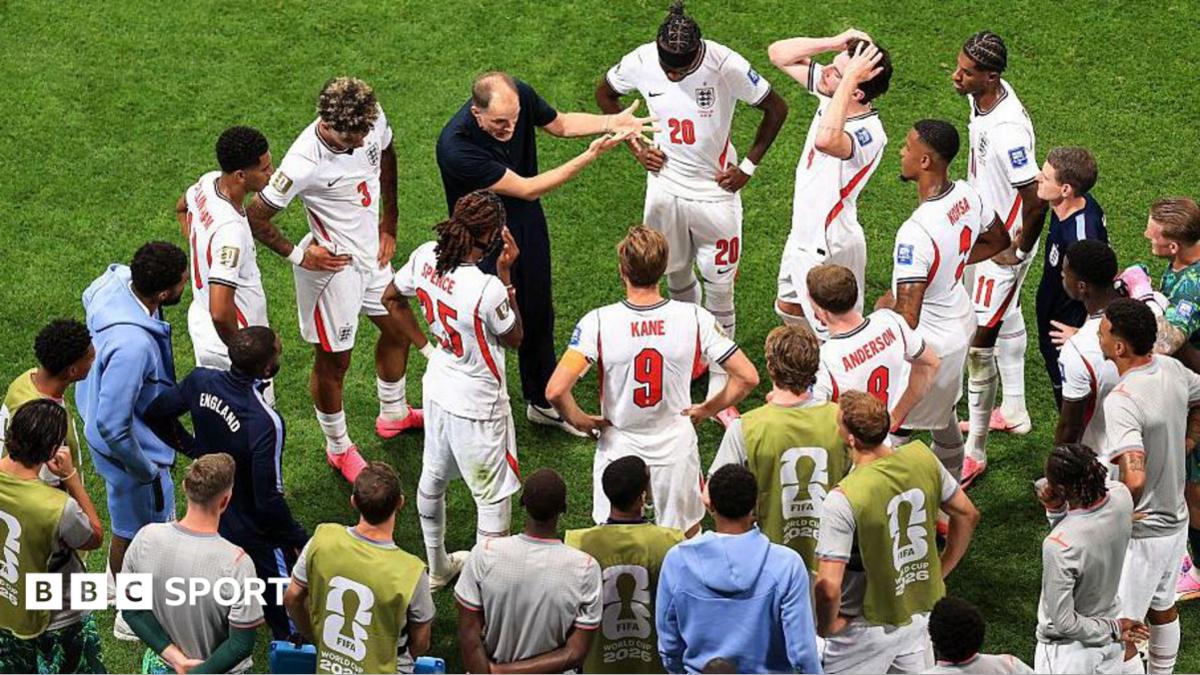
Then came the cooling pause. In the extreme heat blanketing the host stadiums, FIFA officials implemented mandatory hydration breaks. While typically viewed as a straightforward physiological necessity to prevent player burnout, England's bench utilized the stoppage as a makeshift halftime. It was a brief but crucial window to physically rehydrate and, more importantly, execute a tactical reset.
The contrast post-break was night and day. England emerged from the shaded touchline areas with a completely restructured pressing system and a palpable surge in urgency. Within minutes of the restart, the momentum had violently swung in their favor. The passes were noticeably crisper, the off-ball movement was relentless, and DR Congo’s defense suddenly looked stretched to its breaking point. England rallied to score the necessary goals, punching their ticket to the knockout stages and leaving pundits to dissect the mechanics of the turnaround.
The overriding question emerging from the match is simple: why not take advantage of the rules? In a sport that fiercely protects the uninterrupted flow of play, these enforced stoppages offer a rare, NBA-style timeout. Managers can halt an opponent's psychological surge, deliver concentrated tactical tweaks directly to the core of the team, and disrupt the opposition's rhythm.
Whether it was the actual fluids re-energizing England’s legs or simply the psychological blow dealt to DR Congo’s momentum, the impact of the break was undeniable. As the 2026 World Cup progresses into the high-stakes knockout rounds, the battle for global supremacy might just be won and lost during those crucial two-minute water breaks.
🔥 Discover More World Cup Content
Sponsored