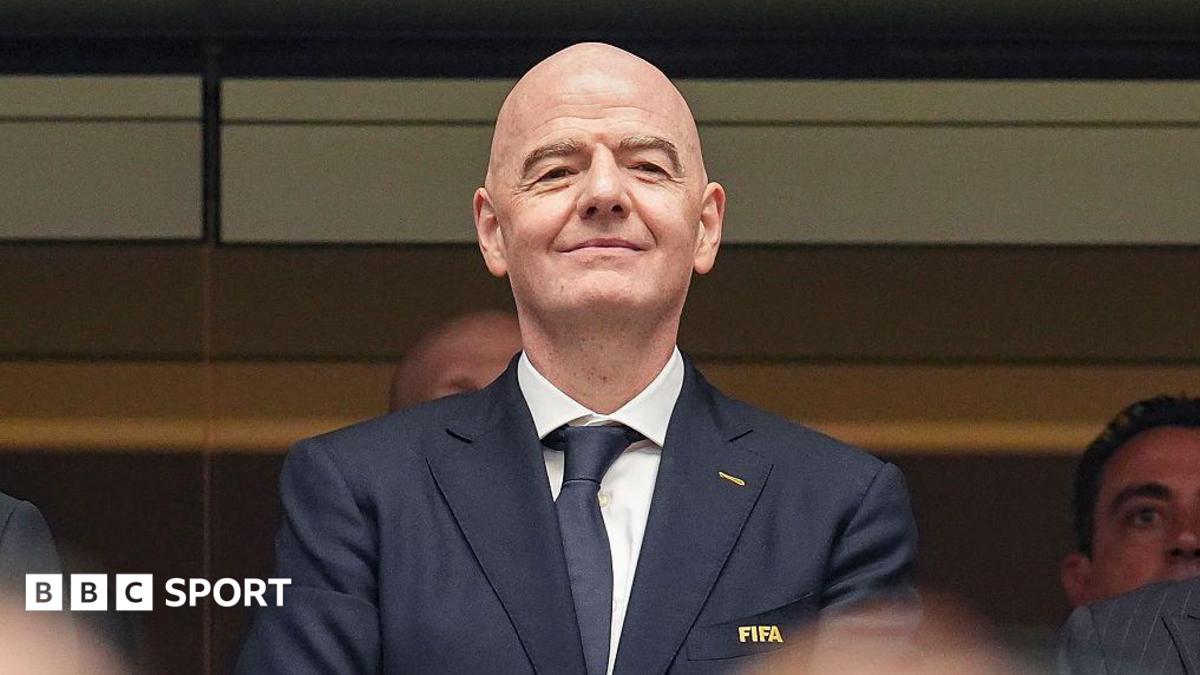
Selling the Beautiful Game: Gianni Infantino's Controversial World Cup Investment Plan
BBC Sport·July 29, 2026
The countdown to the 2026 FIFA World Cup is officially underway, but the tournament's foundational structure might be drastically altered before a single ball is kicked across North America. According to an in-depth report by BBC Sport, FIFA President Gianni Infantino is floating a radical proposal that could permanently change the fabric of the beautiful game: selling off actual stakes in the World Cup.
In an unprecedented move that blurs the lines between international sports governance and high finance, Infantino’s vision involves allowing private investors to purchase a slice of football’s most prestigious and lucrative tournament. But what emboldens the FIFA boss to make such a drastic pivot? As BBC Sport highlights, Infantino has spent his tenure consolidating power and aggressively expanding the commercial footprint of the global game. Buoyed by the massive expansion to a 48-team format for 2026, he seemingly views the World Cup not just as a sporting competition, but as an untapped financial juggernaut.
The rationale behind this proposed sell-off is deeply rooted in modern sports commercialization. By offloading equity in the tournament, FIFA could theoretically unlock billions in upfront capital, instantly supercharging revenue streams well beyond traditional broadcasting rights and corporate sponsorships. In an era where sovereign wealth funds and private equity firms are increasingly buying into football, Infantino appears eager to position FIFA at the absolute apex of sports investment.
However, this bold strategy is not without its severe critics, and the potential consequences are vast. Detractors argue that partially privatizing the World Cup could severely compromise the tournament's historic integrity. Once private investors have skin in the game, decisions regarding host nations, tournament expansion, scheduling, and competition formats could easily be dictated by quarterly profit margins rather than the sporting merit or the good of the fans. There is a tangible, looming fear that hyper-financializing the World Cup will alienate everyday supporters and prioritize elite investors over grassroots football development.
Ultimately, Infantino’s proposed selloff forces the football world to confront a highly uncomfortable question: just how much of the beautiful game is actually for sale? As the 2026 World Cup looms larger on the horizon, this power play represents a massive, high-stakes gamble. It is a tug-of-war between maximizing commercial revenue and preserving the cultural soul of global football. Whether this proves to be a visionary masterstroke or a step too far remains fiercely debated, but the irreversible outcome will define the sport for generations.
🔥 Discover More World Cup Content
Sponsored
Related News
King Kazu Defies Time: Is 59-Year-Old Miura Football's Oldest Scorer?
Guardian Football · Jul 29
World Cup 2026 Fallout: Real Madrid Accelerate Rodri Pursuit, Leaving Man City Scrambling
Sky Sports · Jul 29
World Cup 2026 Watch: Theo Hernandez Offered to Juventus Amid Al-Hilal Exit Talks
Football Italia · Jul 29