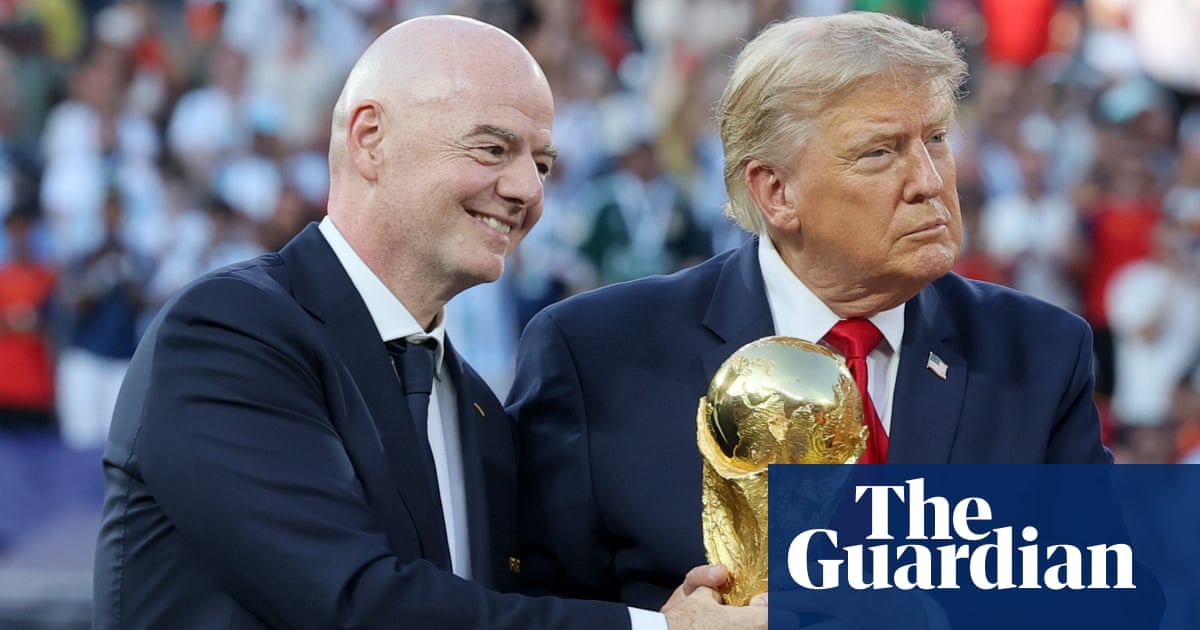
'Selling the Soul of Football': FIFA's $20 Billion World Cup Plan Ignites Fierce Backlash
Guardian Football·July 28, 2026
As the football world eagerly anticipates the expanded 2026 FIFA World Cup across North America, a massive off-the-pitch scandal is threatening to overshadow the tournament. FIFA, the sport's global governing body, has unveiled a staggering $20 billion proposal to sell the commercial rights to its premier tournaments—including the World Cup—to private investors. The controversial maneuver has ignited a firestorm of criticism, plunging football's political landscape into civil unrest.
According to Guardian Football, the unprecedented plan would see billions of dollars flood FIFA's coffers by essentially handing over the commercial reins of the sport's most coveted assets to private capital. However, the pursuit of a massive financial windfall has triggered an immediate and explosive backlash from Europe’s most powerful stakeholders.
UEFA, the governing body for European football, did not mince words in its condemnation of the proposal. In a fiercely worded statement, the organization accused FIFA of "attempting to sell the soul of football" to the highest bidder. It is a dramatic escalation of tensions that many insiders believe could culminate in a bitter legal battle over the future governance and ownership of the global game.
But UEFA isn't fighting this battle alone. Behind closed doors, sources indicate that numerous elite European clubs are absolutely furious with FIFA’s strategy. These clubs—already burdened by an increasingly congested fixture schedule and wary of private equity's growing influence in football—are deeply skeptical of outside investors extracting value from tournaments that rely entirely on their players. They view the privatization of World Cup rights not as a progressive business evolution, but as a dangerous commodification of the sport's heritage.
With the 2026 World Cup fast approaching, FIFA finds itself navigating a massive political minefield. While the promise of a $20 billion cash injection is undeniably tempting for the organization's bottom line, alienating UEFA and the continent's biggest clubs is an incredibly high-stakes gamble. If a compromise isn't reached soon, the beautiful game could be facing its most destructive internal war in modern history, casting a long, dark shadow over the festivities in North America.
🔥 Discover More World Cup Content
Sponsored
Related News
Political Interference on the Pitch? Norway Demands FIFA Ethics Probe Over Trump’s Role in Balogun Red Card Saga
Guardian Football · Jul 28
Mancini Poised for Dramatic Italy Return Ahead of World Cup 2026
Football Italia · Jul 27
FIFA Boss Infantino Tells World Cup Critics to 'Meditate, Pray or Watch Football'
BBC Sport · Jul 27