Shadows of the Beautiful Game: Atlanta's Unhoused Displaced Ahead of World Cup 2026
Guardian Football·July 18, 2026
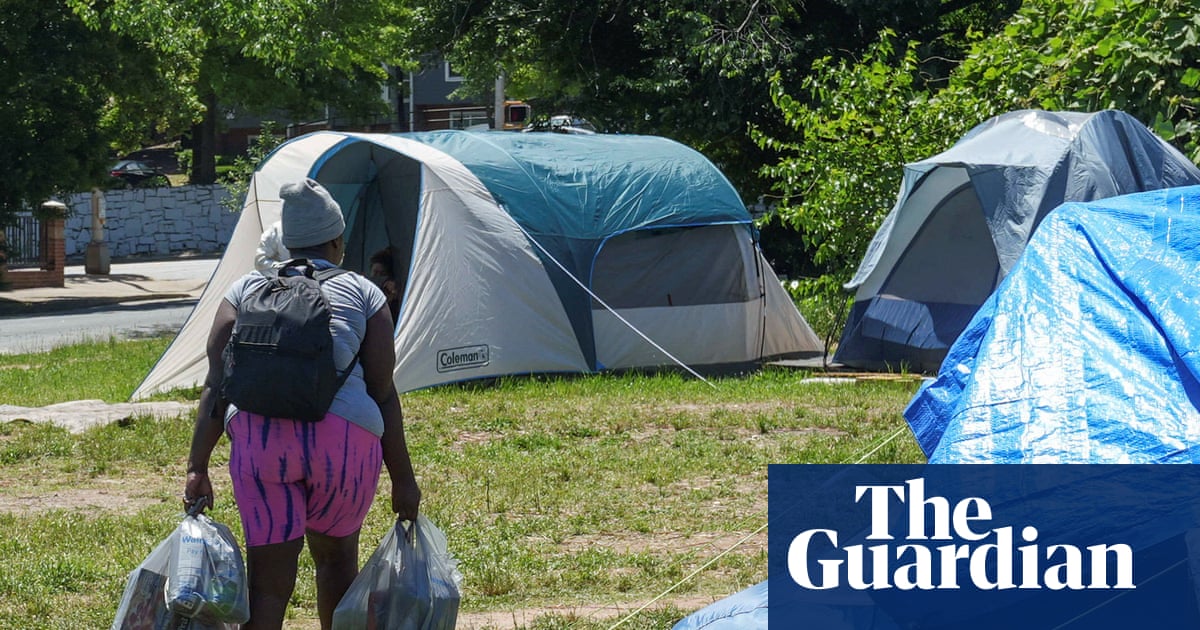
When FIFA proudly proclaims that football brings the world together, they rarely mention who gets pushed out in the process. With the 2026 World Cup fast approaching, host city Atlanta is facing a harsh reality regarding its tournament preparations: the aggressive displacement of its unhoused population.
According to a striking report by Guardian Football, local residents and advocacy groups are sounding the alarm over a citywide "clean-up" effort that prioritizes tourist aesthetics over human lives. The sense of abandonment is palpable among the city's vulnerable populations, who feel they are being treated as disposable obstacles to Atlanta's global debut.
"A lot of our community has been pushed out by the World Cup. We’re not just dollar signs, we’re more than that," expressed one frustrated local resident, capturing the deep emotional toll of the sweeps. "We’re people and we’re frustrated that they’ve chosen to treat us less than human."
The tactics being used to clear the streets are drawing severe backlash. Disturbing reports have emerged of authorities relocating homeless individuals in the dead of night, moving them to peripheral facilities that offer little comfort or genuine shelter. One individual recounted a chilling experience of being dropped off at what authorities reportedly called a "Mormon center," which the resident described as a heavily policed warehouse resembling a FEMA camp.
"They dropped me off there in the middle of the night. They call them Mormon centres or whatever, but it ain’t nothing but a warehouse of cops," the resident told Guardian Football. "It looked like a FEMA camp. When I saw it, I left, I walked all the way back here. It’s because of the World Cup. They’re trying to make it look good for tourists. They don’t want the eyesores around."
This desperate trek back to the streets highlights a grim, underlying consequence of hosting mega-sporting events. For these marginalized individuals, the World Cup is not a festival of the beautiful game, but a catalyst for their forced removal. The motive, they argue, is entirely transparent: to hide the city’s poverty so arriving fans and international media are presented with a sanitized, postcard-perfect version of Atlanta.
As the countdown to kickoff continues, a glaring question hangs over the host cities: at what human cost does the world come together? While FIFA and local organizers celebrate the economic and cultural windfalls of the 2026 tournament, the unhoused community of Atlanta is left navigating a system that views them as liabilities rather than citizens.
🔥 Discover More World Cup Content
Sponsored
Related News
Three Lions on Fire: Revisiting England's Journey to the 2026 Quarter-Finals
BBC Sport · Jul 18
Amorim's Milan Vision Meets World Cup 2026 Prep: Musah at the Center of Transfer Tug-of-War
Football Italia · Jul 18
Continental Divide: Why Latin America is Torn Over the 2026 World Cup Final
Guardian Football · Jul 18