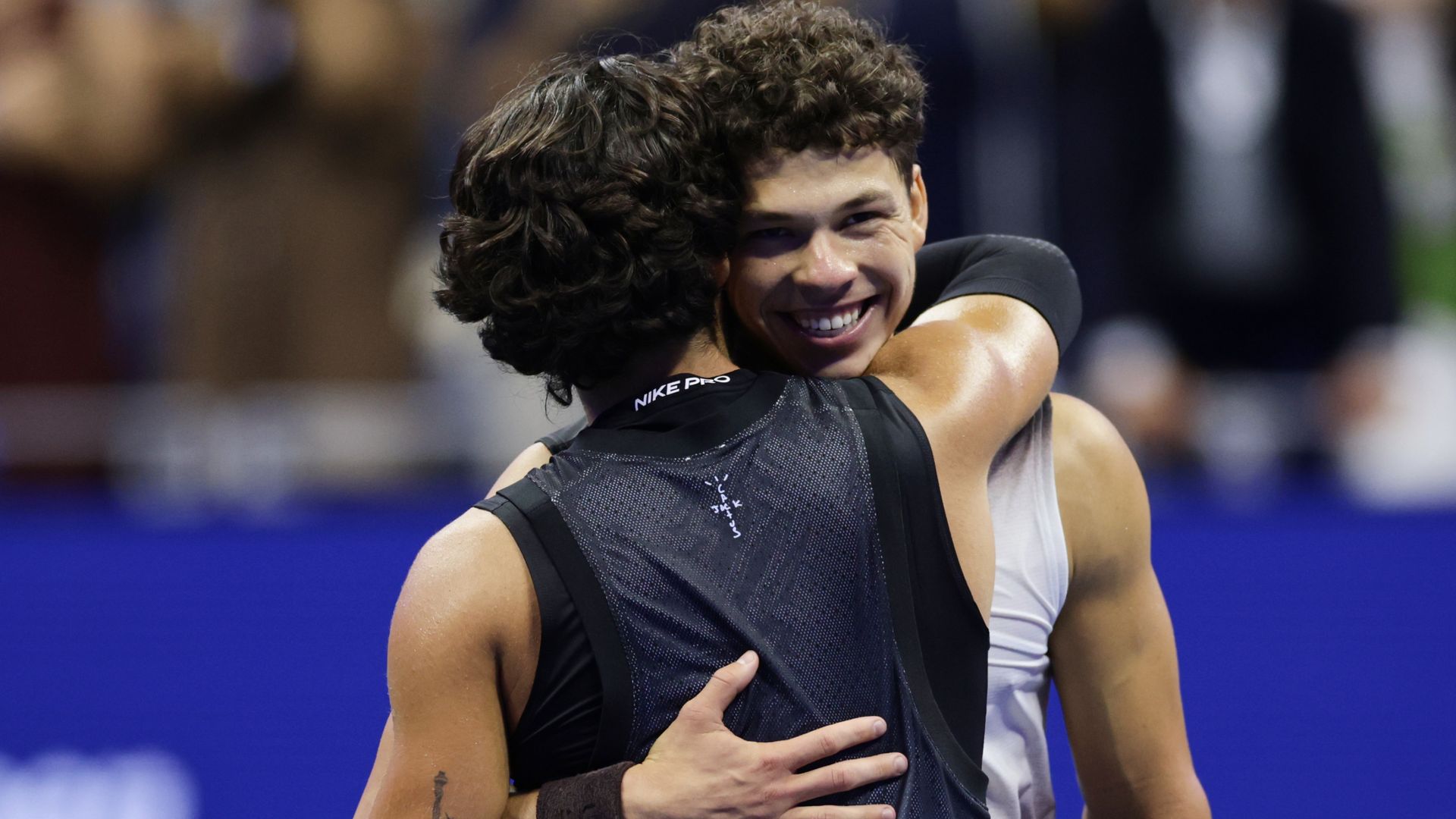
Shelton's 3:33am Ace Over Alcaraz Fuels Fresh Debate Over Tennis' Midnight Marathons
Sky Sports·September 10, 2026
When Ben Shelton's final ace ripped through the humid New York night, the scoreboard finally settled — and so, mercifully, did the clock. It read 3:33am local time. Thousands of bleary-eyed but delirious fans were still on their feet inside Arthur Ashe Stadium, celebrating a finish that was as extraordinary for when it happened as for how it happened.
As Sky Sports reports, Shelton's victory over Carlos Alcaraz has thrust tennis' late-night problem back into the spotlight, prompting a familiar but increasingly urgent question: does something need to change?
The scene at Flushing Meadows was, in truth, both spectacular and slightly absurd. A packed stadium at half past three in the morning is a spectacle found nowhere else in sport — a gladiatorial atmosphere players themselves often describe as unmatched. But it was also a match that began in one day's evening and ended in the small hours, testing the limits of players, officials, ball kids, security staff, and everyone who had to be up for work a few hours later.
Critics argue the toll is real and growing. For players, a 3:33am finish means recovery routines thrown into chaos, sleep cycles wrecked, and precious little time to prepare for the next round — a hidden competitive disadvantage that can quietly shape a tournament's outcome. For fans, there are practical worries too: public transport running thin, families long gone, and the strange reality that some of the best tennis of the year is played while most of the world sleeps.
Defenders of the status quo point out that New York night tennis is an institution. The evening sessions carry a unique electricity, television audiences are enormous, and ticket holders who pay premium prices for a night session rightly expect a full match, however long it runs. Tighten the window too aggressively, they argue, and you risk diluting one of the sport's signature experiences.
Yet even traditionalists concede the extremes are becoming harder to justify. Scheduling tweaks — earlier night-session start times, tighter management of turnaround between matches, or rethinking how many contests are stacked onto the show courts — are all part of a debate that resurfaces every time a match drifts towards dawn.
For now, tennis remains a sport where a Grand Slam classic can end closer to sunrise than sunset. Whether that is magic or madness depends on who you ask. What is certain, as Sky Sports highlights, is that Shelton's ace at 3:33am will be long remembered — and so will the awkward questions it left behind.
🔥 Discover More World Cup Content
Sponsored