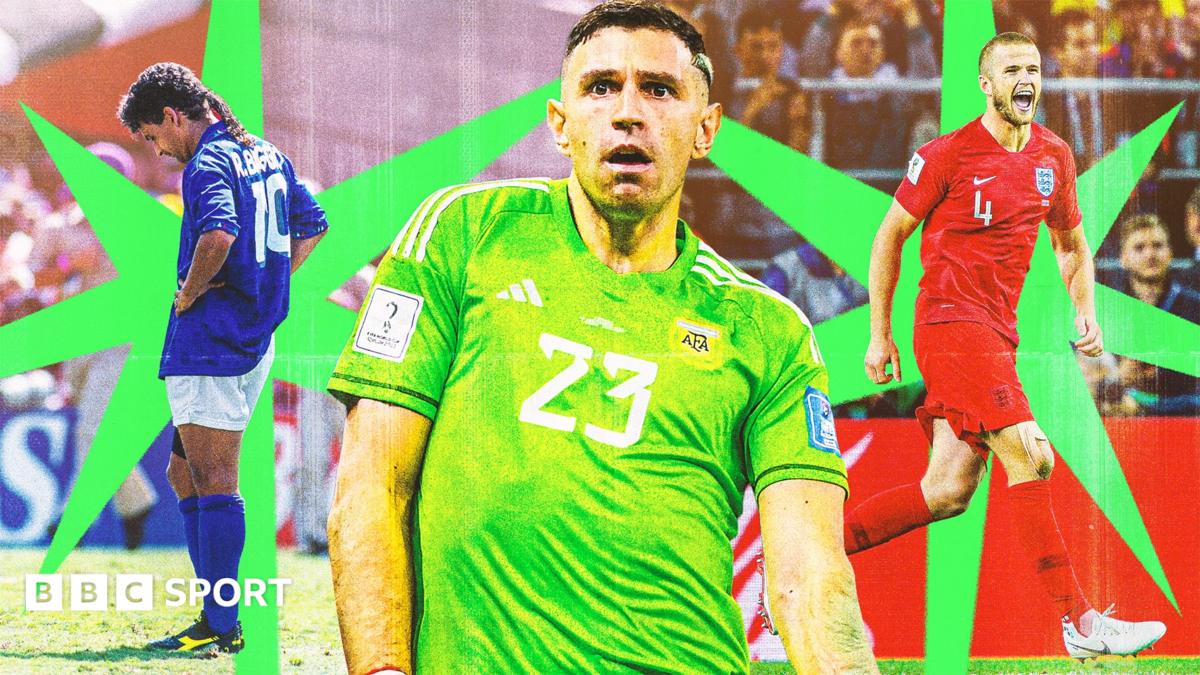
Spot-Kick Science: Mastering the World Cup Penalty Shootout Ahead of 2026
BBC Sport·June 28, 2026
As the expanded 48-team FIFA World Cup 2026 approaches, the margin for error in the knockout stages will be finer than ever. When extra time fails to separate two exhausted nations in massive stadiums across the United States, Canada, and Mexico, the inevitable and terrifying penalty shootout awaits. To conquer this pressure cooker, teams must look to history.
According to a comprehensive analytical deep dive by BBC Sport, which examined every single penalty ever taken in a World Cup shootout, surviving from twelve yards is less about luck and more about cold, hard execution. The data reveals fascinating trends that managers will undoubtedly drill into their squads before heading to North America.
So, what does the historical data tell us about winning? First, placement overwhelmingly reigns supreme over pure power. Goalkeepers rarely save perfectly placed shots into the corners, even if they guess the right direction. The stats show that low strikes to the goalkeeper's left or right are historically successful, while aiming high down the middle—though risky—can exploit a keeper's instinct to dive.
Furthermore, the sequence of kickers plays a massive psychological role. Historical trends suggest that teams converting their opening penalty win the shootout the vast majority of the time. The weight of chasing the game frequently leads to rushed technique and wayward shots. Expect national team coaches in 2026 to deploy their most ice-cold, technically proficient players first to set the tone, rather than strictly saving their biggest stars for the fifth spot—a tactic that often backfires when the shootout ends prematurely.
Finally, the psychological warfare between the goalkeeper and the penalty taker cannot be overstated. The BBC Sport review highlights that saved penalties are frequently the result of a keeper's mind games rather than pure athletic reflex. A goalkeeper who delays the kick, points to a specific corner, or simply uses imposing body language can significantly disrupt a striker's focus.
As we gear up for the summer of 2026, national federations are already employing sports psychologists and dedicated goalkeeping coaches to master these fine margins. Because when the World Cup trophy is on the line, it is the team that best combines data-driven preparation with unbreakable nerve that will ultimately walk away victorious.
🔥 Discover More World Cup Content
Sponsored
Related News
Three Lions Roar Peacefully: England Fans Earn Top Marks in USA, But Home Front Sees Uptick in Trouble
BBC Sport · Jun 30
Knockout Chaos: France and Mbappe Clash with Sweden in World Cup 2026 Round of 32
Guardian Football · Jun 30
Milan Masterstroke: Goncalo Ramos' £60m Move Sets Stage for World Cup 2026
BBC Sport · Jun 30