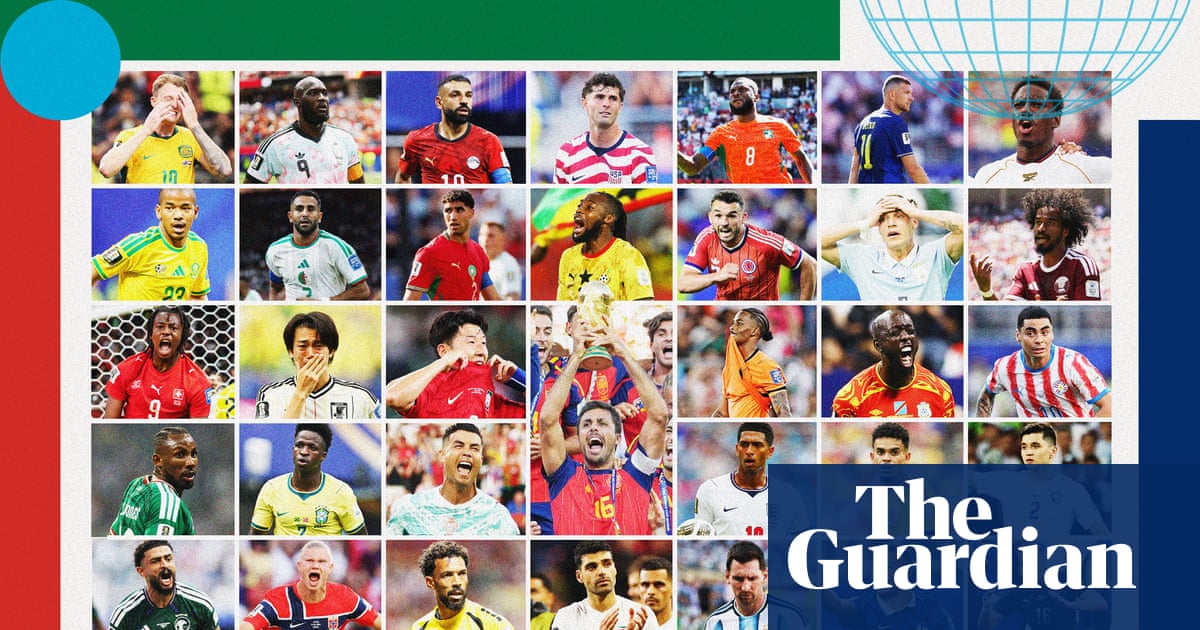
The 48-Team Experiment: Spain's 2026 Triumph and the Double-Edged Sword of Expansion
Guardian Football·July 22, 2026
The final whistle has blown across North America, bringing the curtain down on the most ambitious tournament in football history. Spain stands alone at the summit, conquering a grueling, five-and-a-half-week marathon of 104 matches to lift the 2026 World Cup trophy. But as the celebrations in Madrid simmer down, the global football community is left to dissect the undeniable reality of a massively expanded tournament.
When FIFA president Gianni Infantino pushed to expand the men's World Cup from 32 to 48 teams shortly after succeeding Sepp Blatter, the football world was instantly divided. The revamped format has fundamentally altered the DNA of the tournament, presenting a cocktail of heartwarming underdog narratives and, conversely, some brutally lopsided mismatches.
Looking back at this summer's sprawling spectacle, it appears both Diego Maradona and Joachim Löw were prophetic in their contrasting assessments. The late Argentine legend was "delighted" by Infantino’s initiative, praising the expansion for giving emerging footballing nations a legitimate chance to dream. He believed it would renew a global passion for the sport. He wasn't entirely wrong; the tournament delivered magical moments where debutantes brought raw, unfiltered emotion to the pitch.
However, Löw, then managing world champions Germany, warned against diluting the tournament's pure sporting value. His fears that overall quality would inevitably suffer were also validated on the pitch. The early rounds featured undeniable gulfs in class, resulting in predictable scorelines and, at times, a distinct lack of the razor-sharp, elite tension we expect from football's biggest stage. The "flawed drama" of the expanded group stages left many purists craving the knife-edge intensity of the old 32-team formats.
Furthermore, never before have players been subjected to such a relentless 104-game schedule at the end of an already exhausting domestic campaign. The physical toll was visible, and the sheer volume of fixtures occasionally overshadowed the quality of the football on display.
Ultimately, the inaugural 48-team World Cup was a grand, chaotic, and commercially booming success that crowned a worthy champion in Spain. Yet, the debate is already shifting toward the horizon. If 48 teams yielded such mixed reviews, do we really need to brace ourselves for a 64-team future? As FIFA continues its relentless push for global expansion, the delicate balance between romantic inclusivity and elite sporting integrity remains the beautiful game's most pressing dilemma.
*Source: Guardian Football*
🔥 Discover More World Cup Content
Sponsored
Related News
World Cup 2026 Hangover: Premier League Mega-Spending and European Reality Checks
Guardian Football · Jul 22
Crown Slips in Extra Time: Argentina's Frustration Boils Over as Spain Claims 2026 World Cup Glory
BBC Sport · Jul 22
The Guardiola Blueprint: Is Pep the Missing Piece for Italy’s World Cup 2026 Redemption?
Football Italia · Jul 22