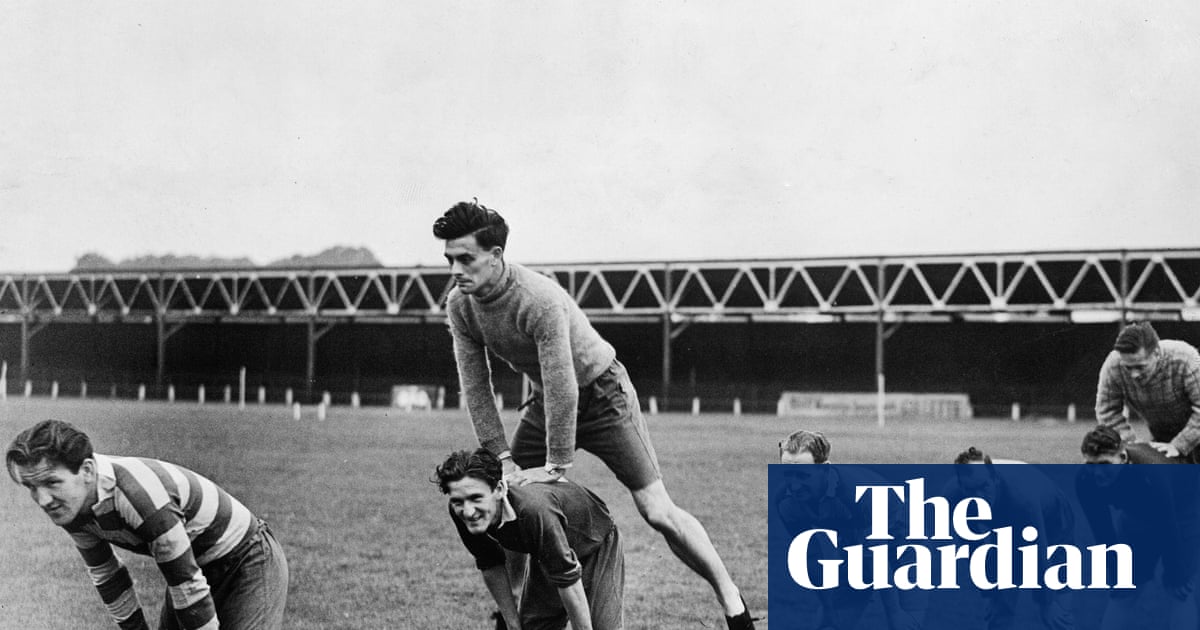
The Baines Enigma: Wrexham's 1940s Trailblazer and the Mystery of Football's First Indigenous Australian Abroad
Guardian Football·September 19, 2026
Aboriginal and Torres Strait Islander readers are advised that this article contains the name of an Indigenous Australian who has died.
Every so often, football uncovers a story so compelling it feels tailor-made for the silver screen — and this one even comes with a Marvel superstar attached. As The Guardian reports, the mystery of Peter Baines, a trailblazing black footballer who starred for Wrexham among other clubs during the 1940s, has resurfaced with a captivating question at its core: was he the first Indigenous Australian ever to play football overseas?
The Hollywood connection is no gimmick. Wrexham, the proud Welsh institution now co-owned by Deadpool star Ryan Reynolds and Rob McElhenney, may have unknowingly employed a genuine pioneer of the world game more than seven decades before their documentary series made the Racecourse Ground a global sensation. If the claims around Baines are confirmed, his story would add a remarkable chapter to the club's already cinematic narrative.
Baines played in an era when black footballers were a rarity on British pitches, turning out week after week in dressing rooms and on terraces far less tolerant than those of the modern game. His mere presence marked him as a trailblazer. But whether he also holds the distinction of being the first Indigenous Australian to pursue a footballing career abroad hinges on his true origins — and this is where the plot thickens with a confounding ending more befitting an indie production than a blockbuster.
Despite his achievements on the pitch, Baines lived largely outside the historical spotlight, leaving researchers to piece together fragments of his life decades later. The uncertainty surrounding his birthplace and heritage has transformed a footnote of 1940s football into a live historical investigation — one that highlights how easily the contributions of black and Indigenous players slipped through the cracks of the game's record-keeping.
The timing of this rediscovery feels poignant. As the world looks ahead to the FIFA World Cup 2026 — a tournament celebrating football's global reach and the diverse cultures woven into its fabric — stories like Baines's remind us that the game's history of international migration and cross-cultural exchange runs far deeper than the modern transfer market suggests.
Whether or not a definitive answer to the Baines mystery ever emerges, his story already serves a valuable purpose: it challenges football to examine its past more closely, to honour those who broke barriers in obscurity, and to recognise that yesterday's trailblazers deserve the same attention as today's superstars. For a club now famous for its Hollywood endings, Wrexham's most intriguing storyline may be one that began — and perhaps remains unresolved — in the 1940s.
🔥 Discover More World Cup Content
Sponsored