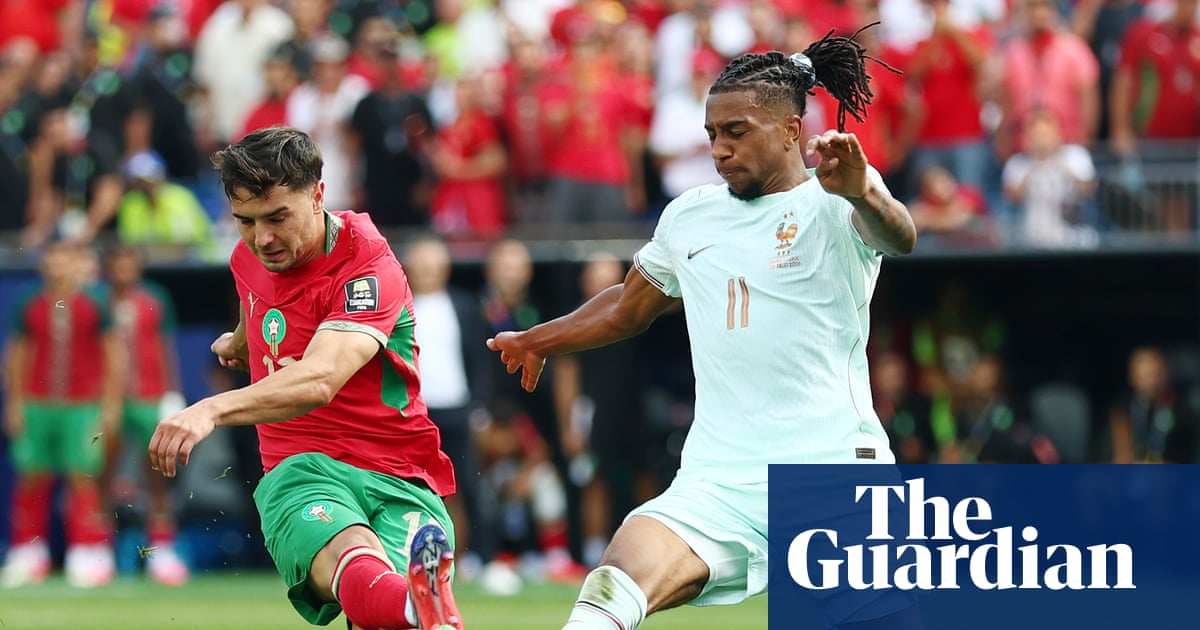
The Global Game: How Diaspora Talent Defined the 2026 World Cup
Guardian Football·July 22, 2026
The beautiful game has never looked so beautifully diverse. As the dust settles on the historic, expanded 48-team FIFA World Cup 2026, a fascinating narrative has emerged beyond the goals and the glory: this was the ultimate diaspora tournament.
National allegiance in modern football is a rich, complex tapestry, and no one embodies this quite like Michael Olise. Reflecting on his multifaceted background, Olise explained his perspective perfectly: "Nationality says where you come from. And I actually come from four countries: France, Algeria, Nigeria and Great Britain. I consider myself very lucky to possess these four parts, which all enrich me."
The dynamic playmaker didn't just talk the talk; he walked the walk. Olise amassed an astonishing seven assists on the grandest stage, shattering Pelé’s long-standing record for the most assists in a single edition of the tournament. Fittingly, he achieved this historic milestone for France, just one of the four nations he was eligible to represent, rather than the country of his birth.
However, Olise is far from an anomaly—he is the poster child for a sweeping global trend. The influence of players from the diaspora has reached unprecedented heights across North America this summer. According to data highlighted by Guardian Football, nearly a quarter—23.6%—of the 1,248 players named in World Cup squads this year represented nations other than their birthplace.
To put this into perspective, the 2022 tournament in Qatar saw 16.5% of players fall into this category, which was itself a record at the time. The massive expansion to a 48-team, 104-match format has only accelerated this phenomenon. This represents a monumental leap from the 11.4% seen just eight years ago in Russia.
Crucially, these players are no longer just making up the numbers on the bench. The data reveals that this 23.6% of diaspora talent contributed proportionally to the overall minutes played, assists provided, and goals scored. They were the absolute driving force of the tournament.
As the world becomes increasingly interconnected, football serves as a mirror to our shifting cultural identities. Players are proudly honoring their familial roots, choosing to represent the heritage of their ancestors rather than simply the passport of their birthplace. The 2026 World Cup will be remembered for many things, but its most enduring legacy will be the celebration of the global diaspora that truly makes football the world's game.
*Source: Guardian Football*
🔥 Discover More World Cup Content
Sponsored