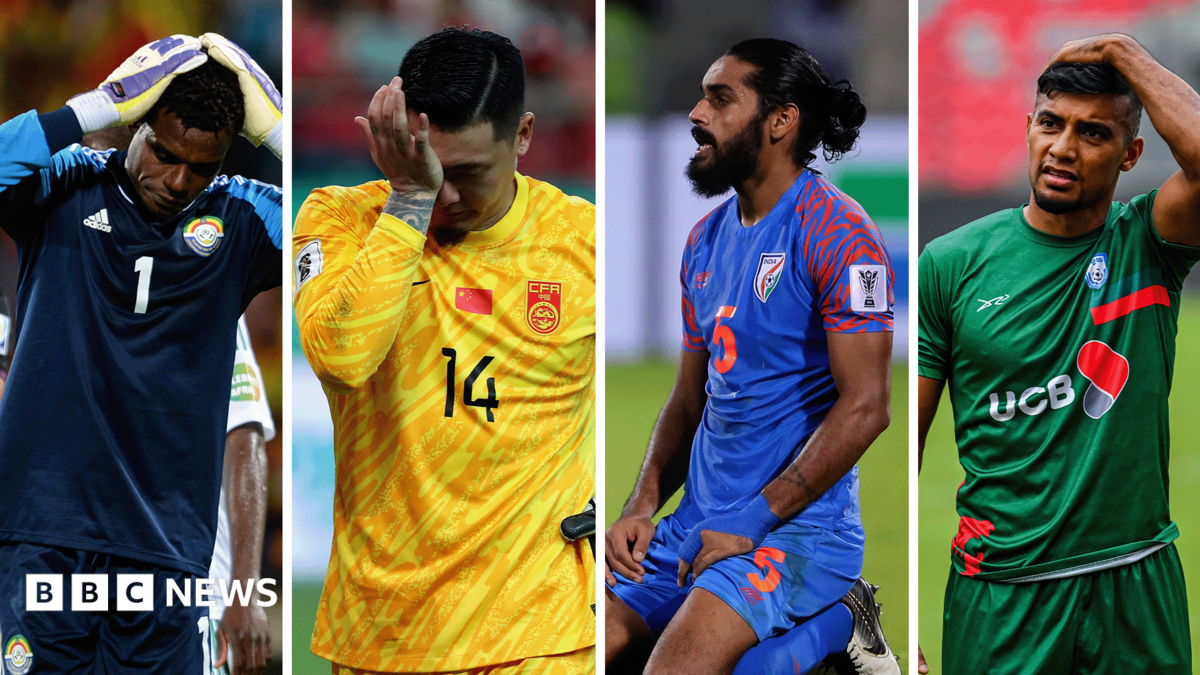
The Missing Billions: Why the World Cup 2026 Lacks Its Largest Nations
BBC Sport·July 4, 2026
As the countdown to the historic, expanded 48-team FIFA World Cup 2026 across North America continues, football fans are gearing up for the greatest show on turf. Yet, beneath the spectacle and the promise of global unity, a staggering demographic reality looms over the tournament. According to BBC Sport, eight of the world's ten most populous countries are notably absent from the finals, leaving billions of fans watching from their sofas rather than the stands.
While traditional powerhouses like Brazil and Mexico consistently punch their tickets, demographic behemoths such as China, India, Indonesia, Pakistan, Bangladesh, and Nigeria routinely fall short. It is a fascinating paradox. How can nations with such immense, naturally occurring talent pools consistently fail to qualify for a tournament that is literally expanding to let more teams in?
The answer, as highlighted by the original reporting, is a complex web of systemic sporting issues. For some nations, football takes a cultural backseat to other sporting obsessions—most notably cricket in the Indian subcontinent. For others, the issue is rooted in deep administrative failures, a lack of grassroots infrastructure, and highly fragmented youth development programs. Having hundreds of millions of passionate fans and countless children playing street football means little if there is no clear, professional pathway to nurture that raw talent into world-class athletes.
Furthermore, political interference and financial mismanagement within domestic football federations have routinely stifled progress in these regions. Without a thriving, competitive domestic league, local players struggle to make the leap required to compete against European and South American elites on the world stage.
So, what can these sleeping giants do to change their sporting fortunes? For starters, a structural overhaul is non-negotiable. Long-term investment must be injected directly into grassroots facilities and youth academies, prioritizing coach education over quick-fix managerial appointments. Furthermore, these nations need to build robust domestic leagues that can retain homegrown talent while attracting high-level tactical expertise from abroad.
The 2026 World Cup will undoubtedly be a thrilling celebration of the beautiful game's expanding reach. However, until the world's most heavily populated countries rectify their deep-rooted structural deficiencies, football's biggest party will remain a surprisingly exclusive affair, leaving billions of hopeful fans out in the cold.
🔥 Discover More World Cup Content
Sponsored
Related News
Moroccan Maestro Ounahi Breaks the Deadlock Against Canada in Last 32 Thriller
BBC Sport · Jul 4
World Cup 2026 Live: France Battles South American Grit in Highly Anticipated Paraguay Clash
Sky Sports · Jul 4
Serie A Stars Take Center Stage as France Battle Paraguay in World Cup 2026 Round of 16
Football Italia · Jul 4