The Penalty Shootout Myth: Why Going Second is the New Winning Formula
Guardian Football·July 9, 2026
There are few moments in sports as agonizingly tense as the coin toss that precedes a World Cup penalty shootout. After suffering through 120 minutes of grueling, end-to-end football, fans are rarely thrilled to watch a captain flip a coin into the air. Yet, that tiny piece of metal dictates the entire psychological landscape of the shootout. The winner gets to choose the goal—often prompting a roaring standing ovation from the supporters housed behind it—and crucially, decides whether their team will step up first or second. But as we gear up for the expanded, high-stakes environment of the FIFA World Cup 2026, the data surrounding that fateful decision is turning decades of footballing mythology on its head.
For generations, the unwritten rule of penalty shootouts was simple: you always want to go first. The logic seemed bulletproof. Taking the lead early applies immediate 'scoreboard pressure' on your opponents. If the team kicking first converts, the team kicking second is instantly thrust into a dreaded 'must-score' scenario, a psychological burden that was widely believed to drastically increase the likelihood of a mistake.
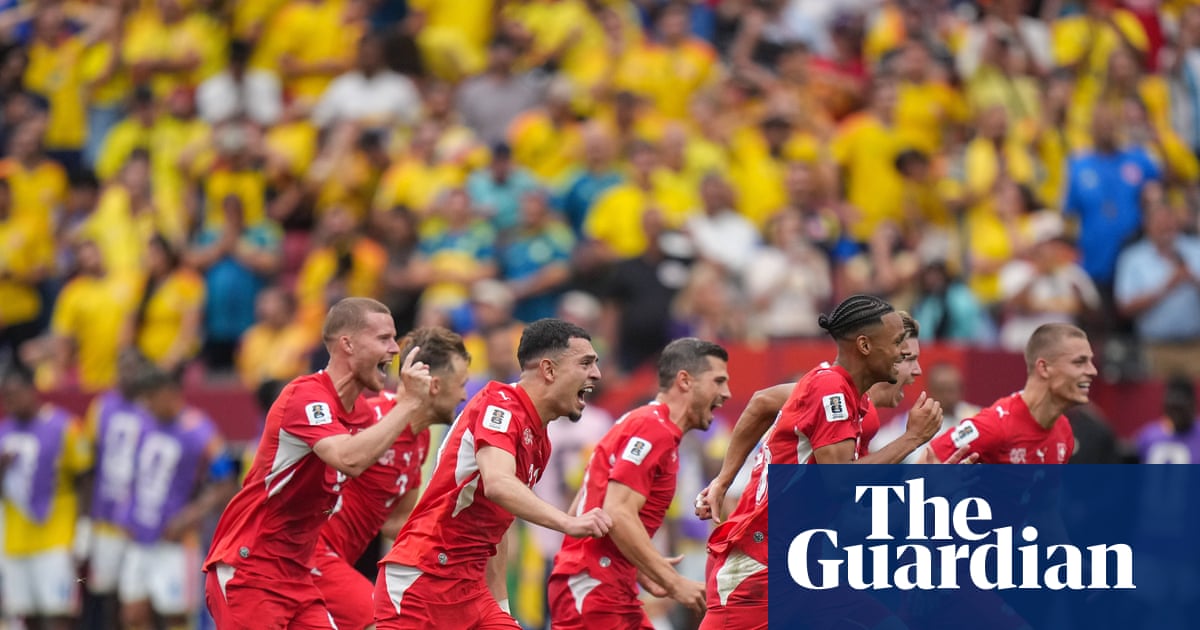
However, as detailed in a recent analysis by Opta Analyst via Guardian Football, the empirical evidence is telling a wildly different story. The historical advantage of kicking first has not just evaporated; it has completely inverted. In a staggering statistical trend, 13 of the past 15 World Cup shootouts have been won by the team that went second. This modern phenomenon was perfectly encapsulated when Rubén Vargas coolly slotted home the winning spot-kick for Switzerland against Colombia in their last-16 clash, extending the dominance of the second-kicking team.
So, why the dramatic shift? Is it a statistical fluke, or has the psychology of the modern game evolved? Sports psychologists and analysts now suggest that going second allows teams to react rather than anticipate. If the first team falters, the second team instantly seizes a massive mental edge, knowing a single goal can shift the entire momentum. Even if the first kick is scored, stepping up second allows players to pace themselves and match the pressure rather than dread it.
As the world's best players prepare to descend upon North America for the 2026 tournament, managers and captains will undoubtedly be re-evaluating their shootout prep. The next time a World Cup referee tosses a coin under the stadium floodlights, don't be surprised if the winning captain proudly defers. History, it seems, is no longer on the side of those who go first.
🔥 Discover More World Cup Content
Sponsored
Related News
The Ultimate Pressure Test: Decoding the Perfect World Cup Penalty
BBC Sport · Jul 8
Coppola Seals Permanent Paris FC Switch in €20M Deal, Boosting World Cup 2026 Prospects
Football Italia · Jul 8
Azzurrini Heartbreak: Italy Miss Out on U-20 World Cup After Penalty Defeat to Denmark
Football Italia · Jul 8