The Quiet Coronation: How Ousmane Dembélé Conquered Football After a Decade of Doubt
Guardian Football·September 15, 2026
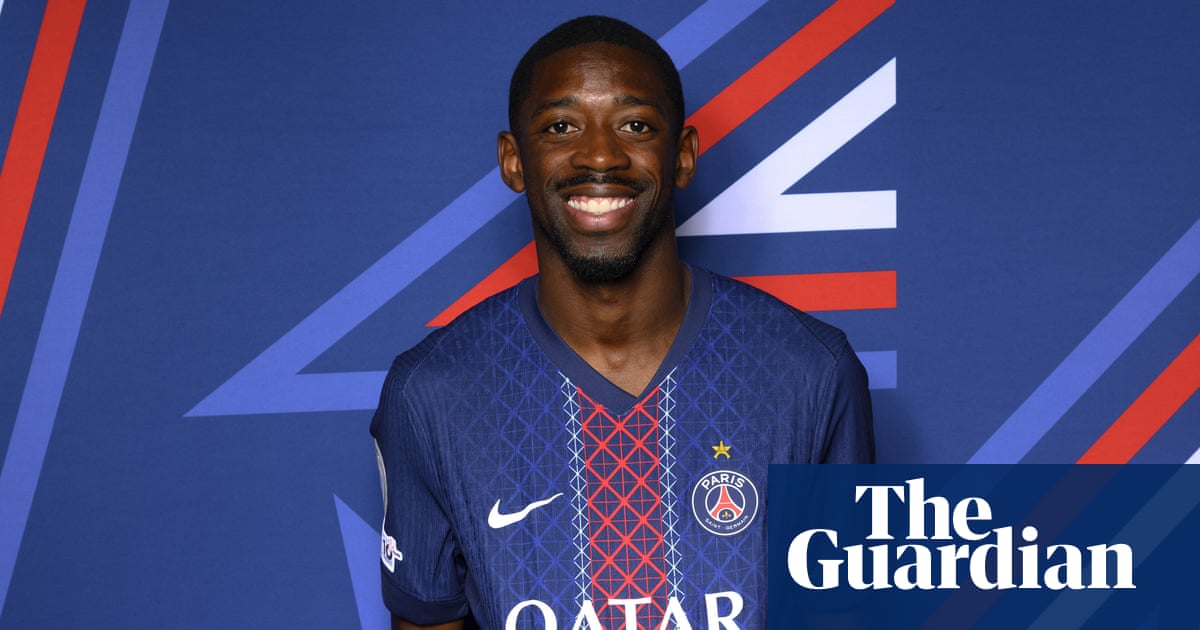
When Ousmane Dembélé first burst onto the scene at Rennes as a teenager, few could have predicted the twists his career would take before reaching football's ultimate individual recognition. The Guardian has now crowned the French forward as the best male footballer on the planet — a remarkable milestone for a player whose journey has been anything but straightforward, as reported by Guardian Football.
The path from promising youngster to global superstar is littered with casualties, and Dembélé came perilously close to becoming one of them. After his meteoric rise at Rennes and a dazzling season at Borussia Dortmund, a blockbuster move to Barcelona in 2017 brought enormous expectations — followed by years of injury frustration and persistent questions about consistency and professionalism.
Yet those who studied his development closely always sensed something special beneath the surface. Talent identification, as the Guardian's long-running Next Generation feature has explored since 2014, is about far more than technical ability. What separates good players from great ones are the invisible qualities: resilience, adaptability, decision-making, creativity, work ethic, response to feedback, and the willingness to learn. These attributes cannot be easily measured — but they eventually reveal themselves. Dembélé, a France-based talent born in 1997, embodies that thesis better than anyone.
At Paris Saint-Germain, Dembélé found the perfect environment to flourish. Under a project that deliberately prioritized the collective over individual stardom — a sharp departure from the club's Galáctico era — the forward's game reached new heights. Freed from the burden of being the marquee name, he became the engine of a machine that conquered Europe.
The transformation has been striking. The player once mocked for erratic finishing and languid body language has become a relentless presser, a prolific creator, and a decisive match-winner rolled into one. His numbers speak volumes, but so does the eye test: Dembélé now dominates big matches rather than merely appearing in them.
For France, the timing could not be better. With the World Cup 2026 on the horizon, Didier Deschamps possesses a version of Dembélé that previous tournaments only hinted at. A player who once frustrated now frightens. A winger who flattered to deceive now delivers.
Dembélé's ascent is a testament to patience — from clubs willing to invest in his development, from coaches who saw beyond the inconsistencies, and from the player himself, whose willingness to learn ultimately proved greater than any setback.
The boy born in 1997, once just a name on a scouting shortlist, is now the standard by which all others are measured. Sometimes greatness isn't loud. Sometimes it simply arrives, quietly, after a very long journey to the top.
🔥 Discover More World Cup Content
Sponsored
Related News
Coutinho Reunites with Neymar at Santos as World Cup 2026 Dreams Drive Blockbuster Brazilian Homecoming
BBC Sport · Sep 15
Kane Reaches 150, Barcelona Stay Perfect as Yamal–Mbappé Ballon d'Or Duel Heats Up
Guardian Football · Sep 15
A Flicker of Genius: Ferran Torres Dazzles as PSG Finally Win — But Questions Remain
Guardian Football · Sep 15