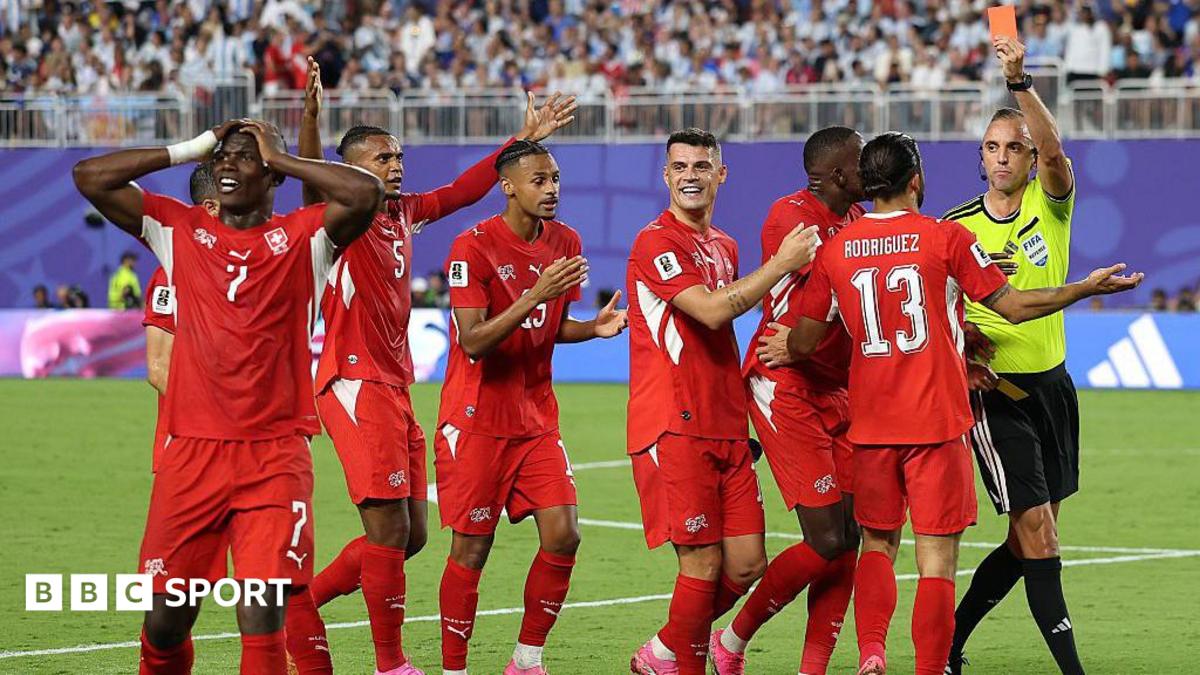
UEFA Rejects 2026 World Cup's Creative VAR Diving Tactics
BBC Sport·July 17, 2026
The 2026 FIFA World Cup has undoubtedly delivered unforgettable moments on the pitch, but it has also sparked one of the most contentious refereeing debates of the tournament: how Video Assistant Referees (VAR) handle the dark arts of simulation. Now, European football's governing body is drawing a firm line in the sand.
According to BBC Sport, UEFA has issued a direct mandate to its video assistant referees, strictly forbidding them from reviewing potential acts of diving by exploiting the 'mistaken identity' loophole—a tactic that notably surfaced during the 2026 World Cup.
The controversy stems from a highly creative interpretation of the VAR protocol. Under standard football laws, officials cannot use the pitch-side monitor to review a routine yellow card offense, such as a standard dive. However, they are permitted to intervene for cases of mistaken identity if the wrong player is cautioned. During the World Cup, some clever VAR officials began treating simulation incidents as potential mistaken identity scenarios. By doing so, they effectively manufactured a legal pathway to review dives, looking to retroactively change cards for players caught play-acting.
While some fans and pundits praised this outside-the-box thinking as a necessary tool to stamp out cheating, officiating purists argue it bends the rules far beyond their intended purpose. UEFA appears to fall firmly into the latter camp. The governing body has moved swiftly to ensure this interpretation does not bleed into their own domestic and European competitions.
By explicitly telling their officials to sever the link between simulation and mistaken identity, UEFA is re-establishing the hard boundaries of the VAR protocol. A genuine case of mistaken identity—where Player A commits a foul but Player B is wrongly booked—will always remain a clear and reviewable offense. However, UEFA maintains that a player throwing themselves to the ground in search of an advantage is a subjective matter of on-field discipline that shouldn't be shoehorned into an administrative loophole.
This divergence in refereeing philosophy highlights the ongoing growing pains of video technology in global football. While FIFA’s World Cup platform often embraces a more flexible interpretation of rules to ensure 'justice' is served on the pitch, UEFA is prioritizing strict, black-and-white adherence to the existing laws of the game.
As the World Cup draws to a dramatic close and European domestic leagues prepare for their upcoming campaigns, players, managers, and fans have been put on notice. The VAR monitor will continue to play a massive role in the modern sport, but in European competitions, the chance for officials to use a technicality to wipe a dive off the books has officially been closed.
🔥 Discover More World Cup Content
Sponsored
Related News
Silver Linings: Why England's 2026 World Cup Exit is a Launchpad, Not a Dead End
BBC Sport · Jul 17
The Azzurri's Next Boss: Will Palladino, Pirlo, or Mancini Steer Italy Toward the 2026 World Cup?
Football Italia · Jul 17
Test Your Football IQ: The Ultimate 2026 World Cup Final Quiz Ahead of Argentina vs. Spain
Guardian Football · Jul 17