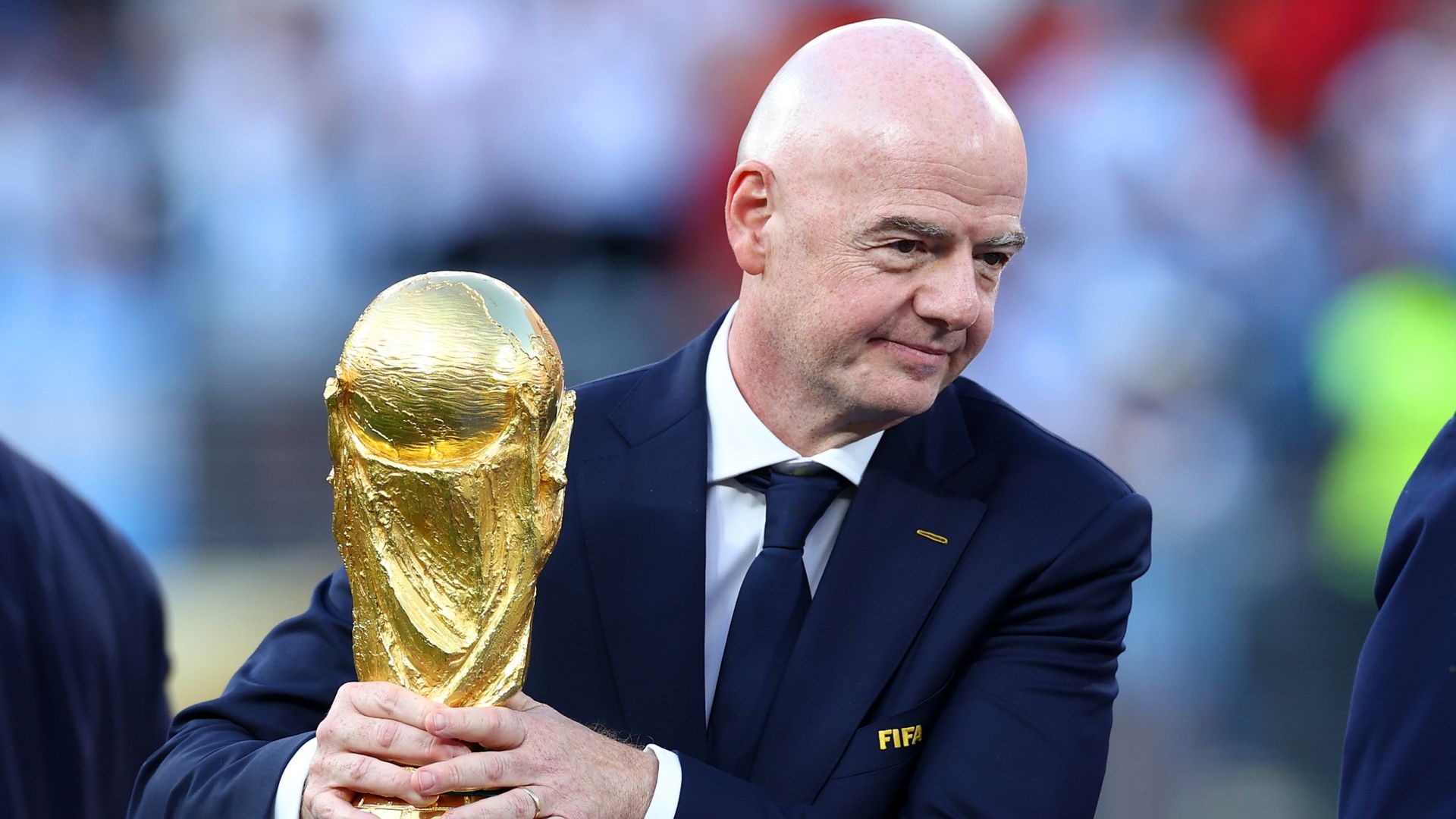
World Cup 2026 in Jeopardy? UEFA Threatens Boycott Over FIFA's Private Equity Push
Sky Sports·July 28, 2026
The road to the 2026 FIFA World Cup, set to be the biggest sporting spectacle in history across North America, has hit a severe roadblock before a ball is even kicked. A fierce power struggle has erupted within the global football hierarchy, threatening to overshadow the tournament itself. At the center of the storm is FIFA’s highly controversial proposal to sell a stake in the World Cup to private investors—a move that has triggered outright fury across the European game.
According to Sky Sports, football’s governing bodies are currently locked in an unprecedented row over the future of the sport. FIFA’s quiet but determined push to seek private investment—reportedly targeting sovereign wealth funds and private equity firms to multibillion-dollar commercial rights—has been met with a brick wall of resistance. Leading the backlash is UEFA, which has reacted angrily to what many perceive as the ultimate commodification of the World Cup.
The outrage is not merely confined to boardroom disagreements; it carries severe tangible consequences. European nations are reportedly so incensed by the privatization blueprint that they are ready to actively discuss a potential boycott of the 2026 tournament. The threat of a boycott from some of the most prominent and historically successful footballing nations on the planet would be catastrophic for FIFA, potentially stripping the World Cup of its biggest stars and most lucrative broadcast markets.
The backlash extends well beyond continental governing bodies. The original Sky Sports report highlights severe criticism from prominent political and footballing figures, including Mayor of Greater Manchester Andy Burnham. The core argument uniting these disparate voices is that selling equity in the World Cup crosses a historic red line. Critics argue that turning the pinnacle of international football into a profit-driving vehicle for Wall Street syndicates and private equity betrays the heritage of the game.
For UEFA and European clubs, the underlying fear is that an already bloated football calendar will be further compromised to satisfy the quarterly return demands of external investors. If the World Cup effectively becomes partially privately owned, questions arise regarding sporting integrity, ticket pricing, and host nation selection.
As the 2026 tournament approaches, FIFA finds itself backed into a precarious corner, facing a united European front willing to weaponize a boycott. The coming months will dictate whether football's global governing body will retreat to secure the sport's future, or gamble on a fractured, heavily financialized World Cup.
🔥 Discover More World Cup Content
Sponsored
Related News
World Cup 2026 Watch: Barcola Eyes Anfield Move Amidst Transfer Whispers
BBC Sport · Jul 28
Dark Cloud Over the Three Lions: Anti-Immigrant Chants Surge in English Football Ahead of World Cup 2026
Guardian Football · Jul 28
A Mother's Joy: Mancini’s Return to the Azzurri Bench Sparks Hope for World Cup 2026
Football Italia · Jul 28