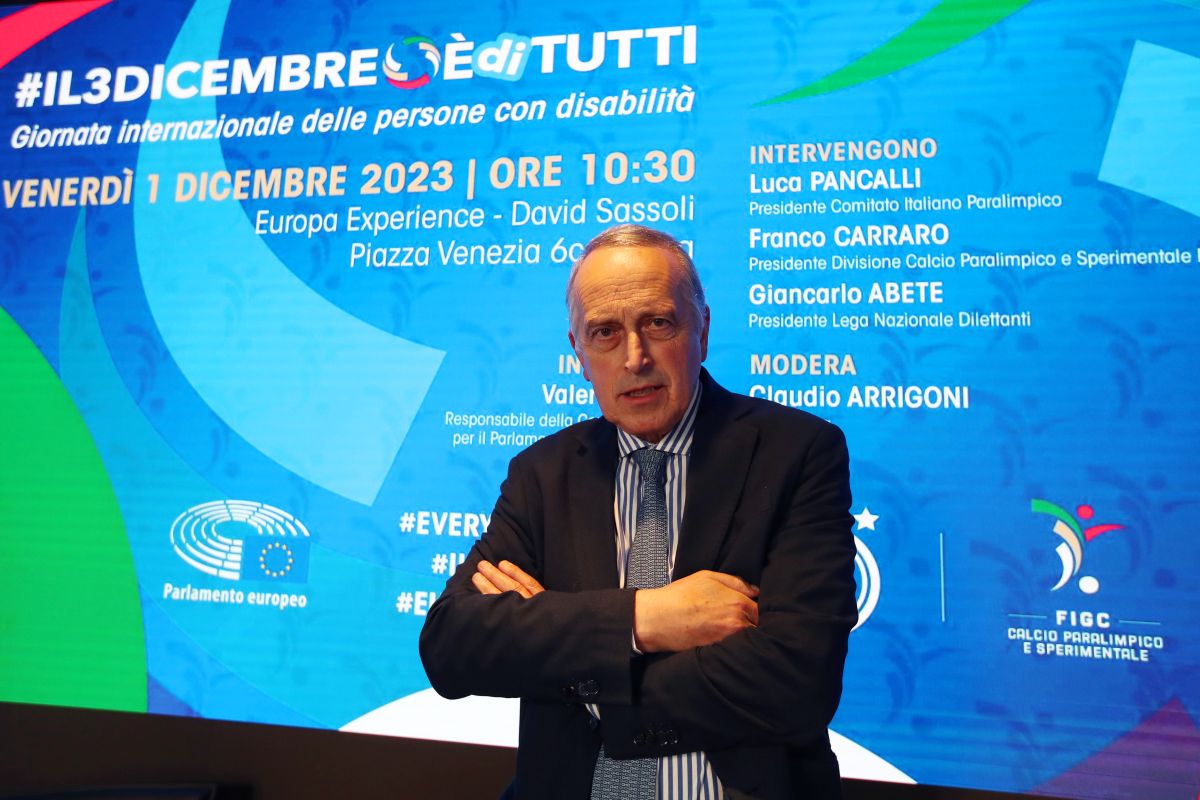
World Cup 2026 Prep Plagued by FIGC Chaos: Abete Warns Over Structural Flaws
Football Italia·July 27, 2026
As the countdown to the 2026 FIFA World Cup continues, the Italian Football Federation (FIGC) finds itself entangled in a web of off-pitch political drama that threatens to derail the Azzurri’s preparations. Following his unsuccessful bid for the FIGC presidency, Giancarlo Abete has fired a warning shot at the federation's current hierarchy, suggesting that their approach to structural appointments is fundamentally flawed.
According to Football Italia, Abete addressed the ongoing speculation surrounding the national team’s leadership vacuum. Recently, Italian football icons Paolo Maldini and Leonardo were heavily linked with a return to the federation in a technical director capacity—a move that would have signaled a bold new era for Italian football. However, after both men reportedly decided to withdraw their interest, the FIGC has been left scrambling for alternatives.
Abete was highly critical of the federation’s current trajectory, stressing that "nothing has changed" if the FIGC President rushes to appoint a new head coach before securing a technical director. In modern football, the technical director is often viewed as the architect of a nation’s sporting project, tasked with defining the philosophy and working alongside the manager to ensure long-term success. By reversing that traditional hierarchy, Abete argues, the FIGC is merely putting a band-aid over a much deeper structural issue.
For an Italian nation still carrying the psychological scars of failing to qualify for both the 2018 and 2022 World Cups, this internal chaos could not come at a worse time. The expanded 2026 tournament, set to be hosted across the United States, Canada, and Mexico, offers the Azzurri a vital chance at global redemption. Yet, without a unified chain of command at the top, the Italian national team risks repeating the catastrophic administrative errors of the past.
Ultimately, Abete’s comments highlight a frustrating reality for Italian supporters: while the tactical talent on the peninsula remains undisputed, the bureaucratic vision at the top remains clouded. If the FIGC does not swiftly resolve its managerial and technical hierarchy, the road to North America could become an unnecessarily bumpy ride for the defending European champions. Establishing a clear, logical chain of command—starting with a visionary technical director—is paramount if Italy intends to conquer the world stage once again in 2026.
🔥 Discover More World Cup Content
Sponsored
Related News
World Cup 2026 Ripple Effect: Rodri, Vinicius Jr, and Trafford Dominate Transfer Talk
BBC Sport · Jul 27
From World Cup Glory to Serie A: John Stones Poised for Inter Milan Switch
Guardian Football · Jul 27
Italian Football in Disarray: Simonelli Reveals Maldini Exit Learned Via TV Amid World Cup 2026 Prep
Football Italia · Jul 27