World Cup 2026 Spotlight Looms as Domestic Football Security Costs Reach Record Highs
Guardian Football·July 23, 2026
As the global football community turns its attention toward the expanded, continent-spanning FIFA World Cup 2026, domestic leagues are facing a sobering reality regarding fan behavior and stadium security. According to a recent report by *The Guardian*, police officials are calling on English football clubs to step up and help ease the mounting security burden currently placed on local taxpayers.
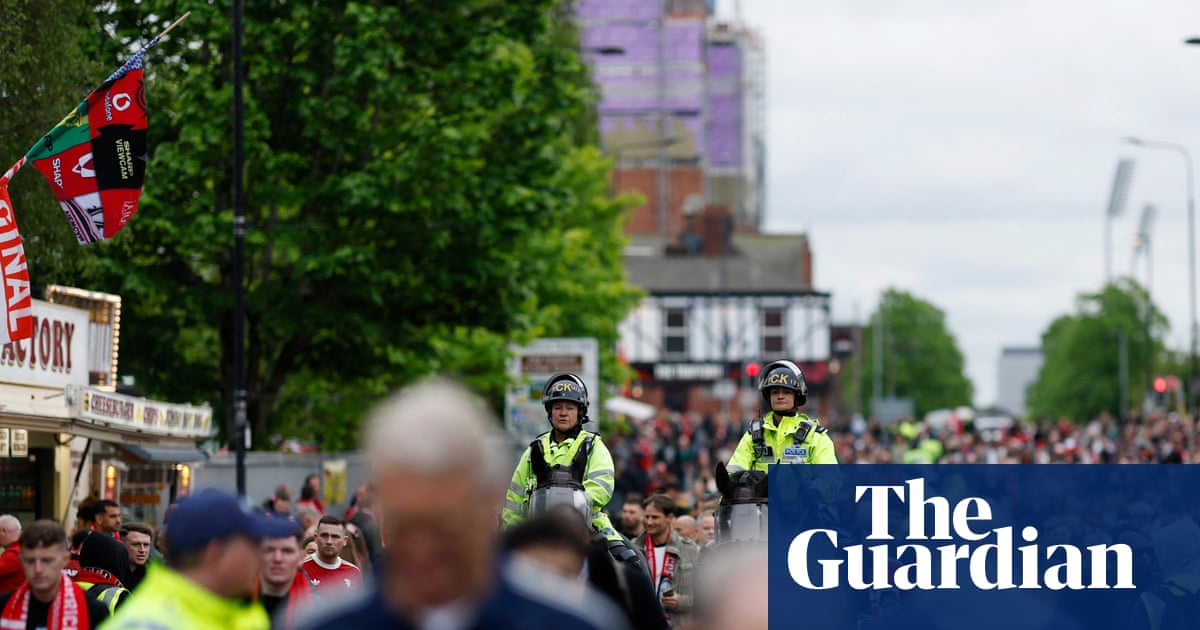
The call to action stems from the latest Home Office annual report, which analyzed the 2025-26 season. The data reveals a concerning trend: a record-breaking number of football matches in England and Wales featured incidents that required police intervention. Specifically, there was a 4% increase in games plagued by what the Home Office categorizes as "football-related anti-social behaviour, violence and disorder." Police were forced to respond to 1,644 matches last season, a notable rise from the 1,580 games that required a law enforcement presence during the previous campaign.
While these headline numbers paint a picture of escalating in-stadium disorder, the broader statistics offer a slightly more nuanced view of the current football landscape. Despite the surge in the raw number of matches requiring police attention, the overall number of arrests is actually continuing to return to pre-Covid figures. Currently, the arrest rate sits at roughly four arrests for every 100,000 attendees. This suggests that while disruptive behavior is spreading across more venues, mass arrests are slightly stabilizing.
However, the financial strain of policing these widespread incidents remains a massive point of contention. Taxpayers are largely footing the bill for the increased police presence, a reality that local authorities argue is unsustainable. Police forces are now advocating for a fundamental shift, asking clubs to take greater financial and operational responsibility for private stadium security to lessen the reliance on public law enforcement.
The timing of this domestic security debate is critical. With international tours, fan festivals, and global watch-parties being planned for the upcoming 2026 World Cup, projecting a safe, secure, and welcoming environment for traveling supporters is paramount. The message from local police forces to club executives is clear: resolving domestic stadium security and managing taxpayer burdens must be prioritized before the global spotlight hits North America.
🔥 Discover More World Cup Content
Sponsored
Related News
£116m Masterstroke: Anderson Joins Man City to Gear Up for World Cup 2026
BBC Sport · Jul 23
From World Cup Hero to Sky Blue Royalty: Anderson Completes Blockbuster £116m City Move
Guardian Football · Jul 23
Beyond the Pitch: UK Sees Alarming Surge in Domestic Abuse Reports During 2026 World Cup
Sky Sports · Jul 23