World Cup 2030: If You Think 2026 is Massive, Just Wait for the Six-Country Spectacle
Guardian Football·July 22, 2026
As a sports journalist on the ground soaking in the electric atmosphere of the 2026 FIFA World Cup, it is easy to get swept up in the sheer magnitude of what is unfolding across North America. With the United States, Canada, and Mexico co-hosting, and a newly expanded 48-team format debuting for the first time in the tournament's 96-year history, the 2026 edition is already a monumental, sprawling success. But if you think this summer's spectacle is the peak of football's global expansion, think again. According to Guardian Football, the beautiful game is already gearing up for something even more audacious in four years' time.
The 2030 World Cup is set to blow its predecessor out of the water in terms of sheer geographical scale. Forget three nations across one continent; the centenary edition of the World Cup will be a truly global affair, spanning a staggering six countries across three different continents. If navigating different time zones, climates, and cultures in 2026 is a logistical triumph, what awaits in 2030 is a logistical marathon.
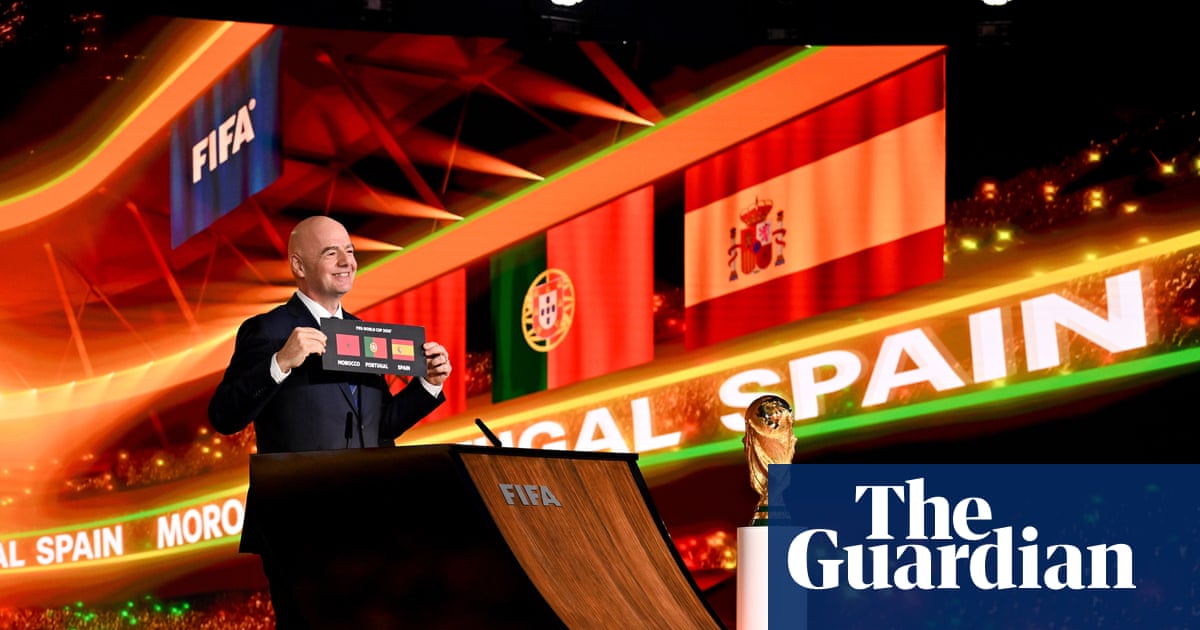
The primary hosting duties for 2030 will fall to Spain, Portugal, and Morocco, bridging Europe and North Africa. However, in a romantic nod to the tournament's origins, the opening three matches will be played in South America. Argentina, Paraguay, and Uruguay will each host a single group-stage match to honor the 100th anniversary of the very first World Cup, which was held in Uruguay back in 1930.
As we watch the world's best players battle it out across the modern metropolises of North America right now, it is wild to imagine the travel schedules and stamina required for players and fans alike in four years. The carbon footprint and scheduling hurdles of a three-continent tournament will undoubtedly spark fierce debate among fans and pundits. Yet, from a purely sporting perspective, it promises to be a romantic, globe-trotting carnival of football that bridges the historical roots of the sport with its boundless future. The 2026 tournament has set a brilliant new standard for the game, but the road to 2030 is already looking like the most ambitious adventure in sports history.
🔥 Discover More World Cup Content
Sponsored