Beyond Kane: Decoding England's Striker Dilemma for the 2026 World Cup
BBC Sport·July 18, 2026
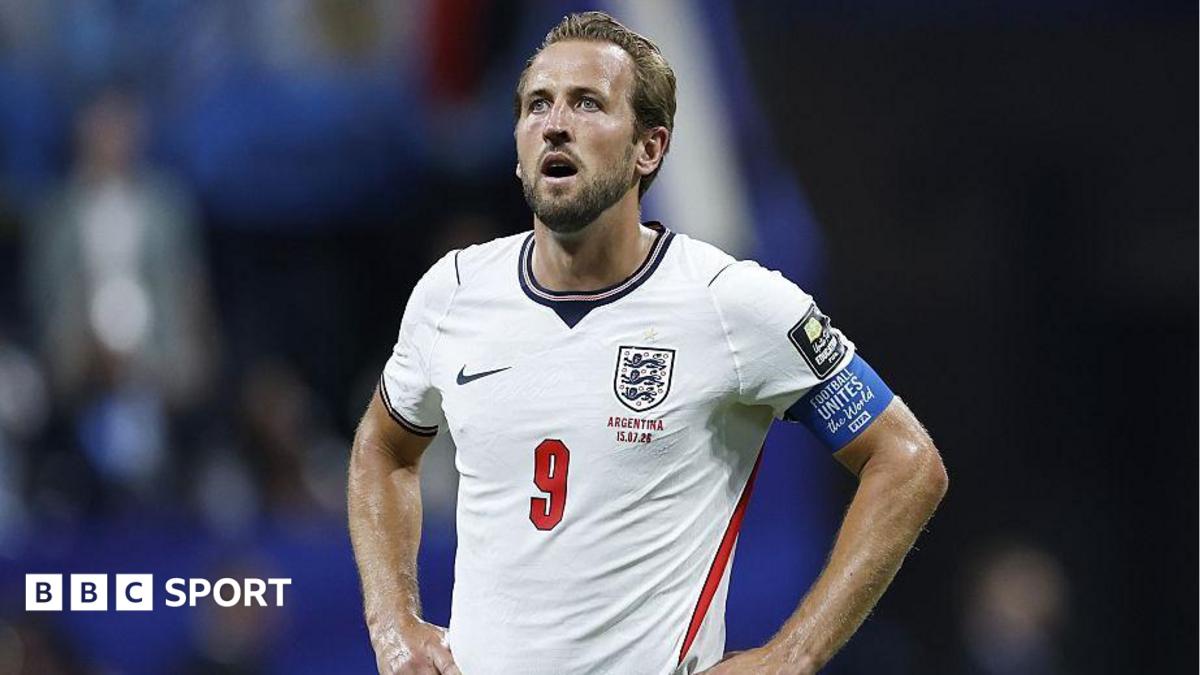
For over a decade, Harry Kane has been the immovable object at the apex of England’s attack. The nation's all-time leading goal scorer has carried the weight of Three Lions' expectations across multiple major tournaments. But as the footballing world turns its attention toward the 2026 FIFA World Cup in North America, a pressing, somewhat uncomfortable question is echoing through the corridors of St. George's Park: what happens when the Kane era finally ends?
According to BBC Sport, England's coaching setup is already grappling with this exact tactical dilemma. The transition from a striker of Kane's unparalleled caliber—someone who can drop deep to dictate play, sprinkle defense-splitting passes, and finish with ruthless efficiency—is never seamless. The most prominent solution currently being debated is a structural shift to a "false nine" system.
Deploying a false nine would require a fascinating shift in English footballing philosophy. Instead of relying on a traditional target man, the system utilizes an agile playmaker or an attacking midfielder in the central striking role. Superstars like Phil Foden, Jude Bellingham, or Cole Palmer possess the technical brilliance, close control, and spatial awareness to thrive in this position. A fluid front line without a fixed striker could offer intoxicating unpredictability, drawing opposition center-backs out of position and creating chaotic channels for lightning-fast wingers to exploit.
However, relying exclusively on a false nine carries inherent risks, particularly in the high-stakes, high-pressure environment of a World Cup knockout stage. Tournament football historically demands a Plan B—a physical presence capable of holding up the ball under immense pressure, bringing midfielders into the game, and scoring ugly, gritty goals when the beautiful play breaks down.
This brings the alternative into sharp focus: the "firing forwards." Are there traditional number nines ready to step out of Kane's massive shadow by 2026? The Premier League is brimming with physical, clinical strikers waiting for their moment on the global stage. Players like Ollie Watkins have already proven they can offer a dynamic, pace-driven alternative, while other emerging talents are banging on the door. The challenge for the England staff is determining whether these forwards can shoulder the burden of being the primary goal threat in a World Cup.
Ultimately, planning for life after Kane doesn't necessarily mean the Three Lions must choose just one path. The true strength of the England squad heading into 2026 will lie in tactical versatility. The upcoming tournament could serve as a proving ground where England fluidly transitions between a creative false nine and a traditional striker, confusing defenses and solidifying their status as a modern footballing powerhouse.
🔥 Discover More World Cup Content
Sponsored
Related News
From a Baby Photo to the World Cup 2026 Final: The Prophetic Link Between Messi and Yamal
BBC Sport · Jul 18
Richarlison to Juventus? Transfer Rumor Ignites World Cup 2026 Implications for Brazilian
Football Italia · Jul 18
Shadows of the Beautiful Game: Atlanta's Unhoused Displaced Ahead of World Cup 2026
Guardian Football · Jul 18