Beyond the 2026 Finals: All Eyes Turn to Morocco's 2030 World Cup Balancing Act
Guardian Football·August 5, 2026
As the final whistle prepares to blow on the monumental 2026 FIFA World Cup across North America, the global footballing spotlight is already beginning its transatlantic shift toward the next frontier: Morocco.
According to Guardian Football, with just over 1,400 days remaining until the 2030 tournament kicks off, the North African nation and its co-hosts are confronting a familiar set of gargantuan challenges. Topping the agenda are the pressing issues of soaring infrastructure costs and ensuring a sustainable, lasting post-tournament legacy—hurdles that heavily echo the experiences of previous African hosts like South Africa in 2010.
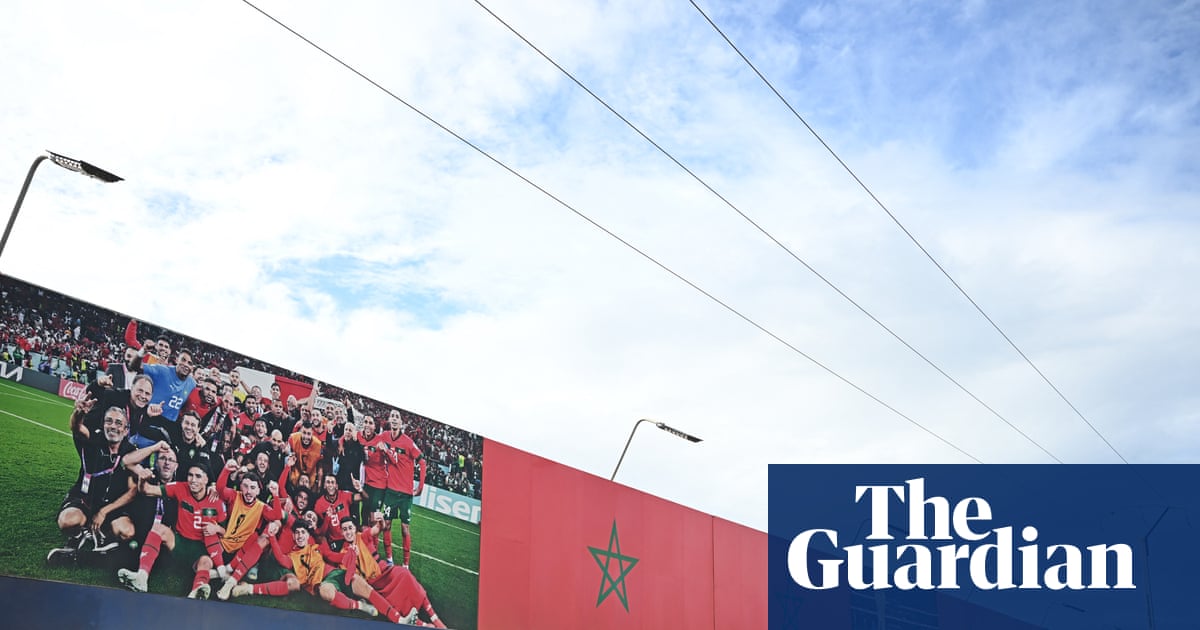
For the Royal Moroccan Football Federation (FRMF), the mere thought of a post-season summer vacation is nothing short of a fantasy. While Morocco’s spectacular Atlas Lions may have seen their historic World Cup journey in Qatar halted by France in the quarter-finals, the federation's administrative engine has shifted into overdrive. The governing body knows that hosting the 2030 edition requires more than just passion; it demands flawless execution under a ticking clock.
In fact, the transition from the 2026 final to their own domestic duties is immediate. Barely a week after the climactic 2026 World Cup final in New Jersey, the Moroccan capital of Rabat will open its doors for the Women’s Africa Cup of Nations (Wafcon). Set to feature a newly expanded 16-team format, the tournament represents a massive early test of the nation's logistical readiness and its commitment to elevating the women's game.
But the stress test doesn't stop there. As the autumn leaves begin to fall, Morocco will once again take center stage by hosting the highly competitive Under-17 Women’s World Cup. These back-to-back marquee events serve as critical dress rehearsals for the ultimate prize in 2030, forcing local organizers to stress-test their stadiums, transport networks, and fan zones long before the global football circus officially arrives.
While fans are currently captivated by the action unfolding in the US, Mexico, and Canada, the real heavy lifting is happening across the Atlantic. Balancing the immediate demands of hosting Wafcon and youth tournaments with the multi-billion-dollar infrastructure projects required for 2030 is a high-wire act. If Morocco can successfully navigate these financial and logistical hurdles, they won't just host a memorable World Cup; they will redefine the future of African football on the world stage.
🔥 Discover More World Cup Content
Sponsored