Burnham Targets 2042: Britain's 76-Year Wait to Host the World Cup Could Finally End
Guardian Football·August 22, 2026
Britain's 76-year wait to host football's greatest show could finally be nearing its end after Andy Burnham declared his ambition to bring the men's World Cup to the British Isles in 2042. Speaking at No 10 North in Manchester on Friday, Burnham told a gathering of regional mayors that he is keen to see the tournament played across the British Isles for the first time since 1966, as reported by Guardian Football.
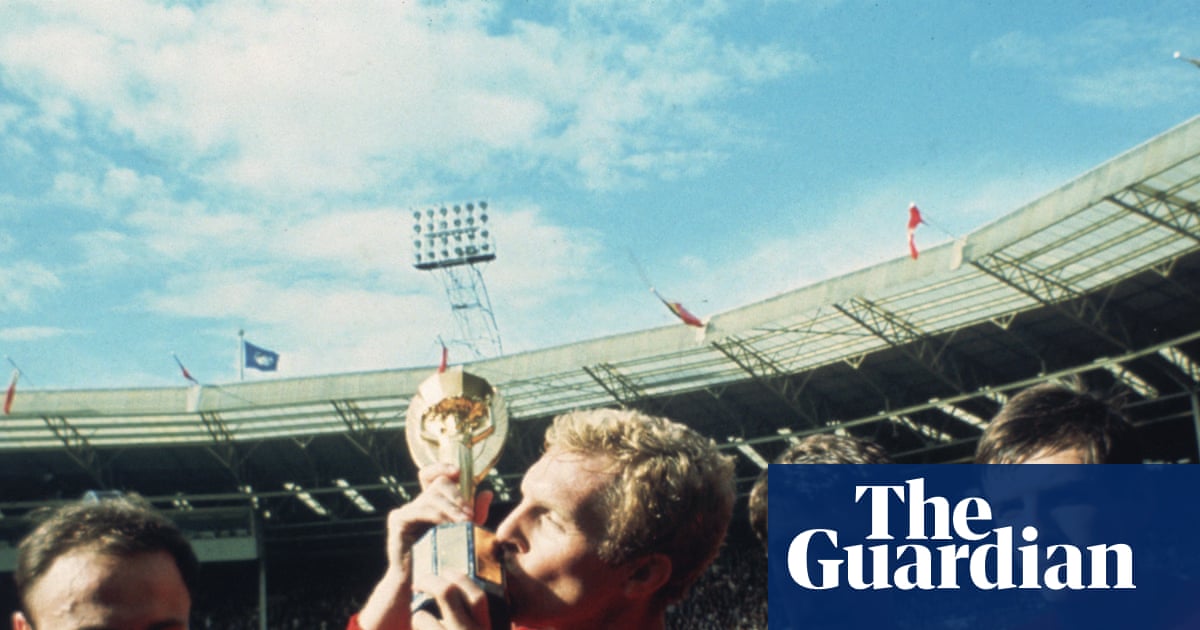
For a nation whose footballing identity is so deeply intertwined with World Cup history, the absence is striking. England's 4-2 victory over West Germany at Wembley remains the Three Lions' only major men's tournament win, immortalised by Geoff Hurst's hat-trick and Kenneth Wolstenholme's famous commentary. Yet despite England staging Euro 96 and London hosting the 2012 Olympics, football's flagship event has never returned to British shores.
Burnham's timeline is ambitious but not arbitrary. With FIFA's hosting rights for the 2040s still unallocated, the groundwork for any future bid would need to begin years in advance — and regional mayors, who oversee transport, infrastructure and investment across their city regions, would be central figures in any successful campaign.
A British Isles bid would carry considerable firepower. The joint UK and Ireland hosting of Euro 2028 demonstrated that cross-border collaboration between football associations can win support within football's corridors of power. Add the densest concentration of elite stadiums in world football — Wembley, Old Trafford, the Etihad, Anfield, Hampden Park and the Principality Stadium among them — and the practical case almost writes itself.
The economic argument may prove just as persuasive. Host nations typically enjoy multi-billion-pound boosts across tourism, construction and employment, benefits that would spread far beyond the capital if matches were distributed across England, Scotland, Wales and Northern Ireland.
Obstacles remain, of course. FIFA's rotation policy between confederations will shape when Europe next gets its turn at the top table, and rival bids from across the globe are certain to emerge. Any British campaign would also face scrutiny over ticket prices, supporter costs and stadium modernisation — the familiar flashpoints of every modern hosting contest.
Still, Burnham's declaration — made in the heart of a city where football runs through the civic bloodstream — plants a marker in the ground. For a generation of British fans who have never watched a World Cup match on home soil, 2042 suddenly offers a date to circle on the calendar.
Before then, the world's attention turns to the expanded 48-team World Cup in 2026, co-hosted by the United States, Canada and Mexico — a tournament that will offer a vivid glimpse of the scale, spectacle and infrastructure demands that any future British bid must be prepared to match.
🔥 Discover More World Cup Content
Sponsored
Related News
Trim and Run: Infantino Deflects World Cup Crisis Talk With Barber Shop Banter
Guardian Football · Aug 22
Football's Rebel Alliance: UEFA and Concacaf Plot Joint Nations League in Bold Power Grab Against FIFA
Guardian Football · Aug 21
Maracanã to Open and Close Women's World Cup as FIFA Unveils Full Match Schedule
Guardian Football · Aug 20