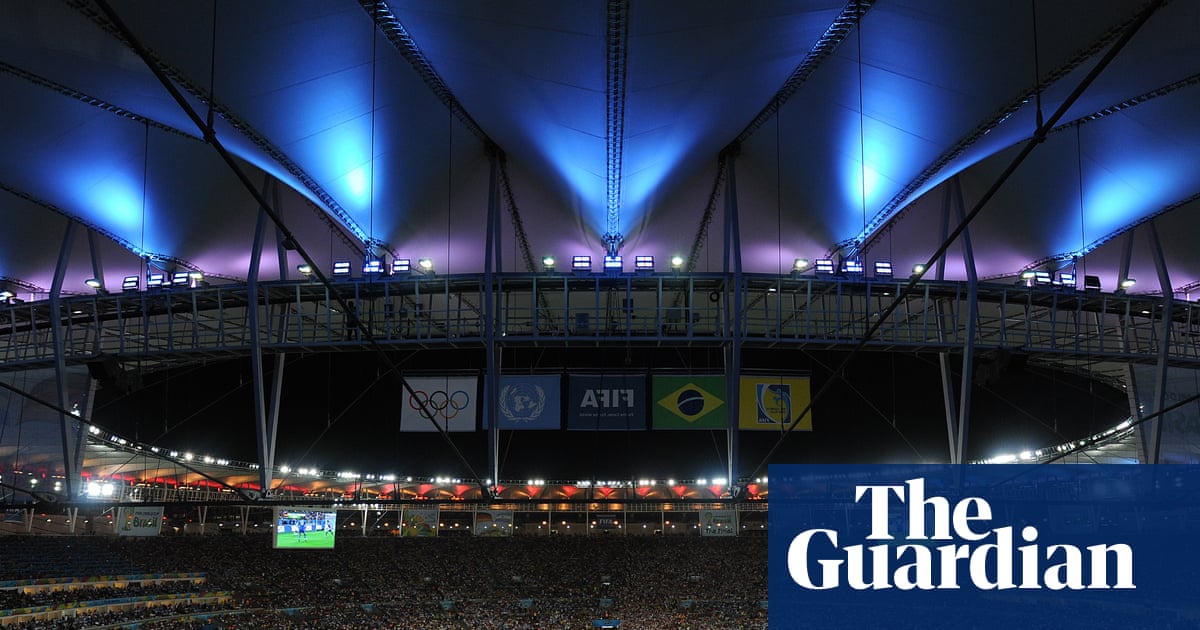
Maracanã to Open and Close Women's World Cup as FIFA Unveils Full Match Schedule
Guardian Football·August 20, 2026
Football's most famous cathedral is preparing to welcome the women's game at its grandest scale. As reported by Guardian Football, FIFA has confirmed that Rio de Janeiro's iconic Maracanã will host both the opening match and the final of next year's Women's World Cup, with the governing body unveiling the full schedule for all 64 matches on Thursday.
The announcement hands the starring role to a stadium steeped in World Cup history. The 78,838-capacity Maracanã staged the 1950 men's World Cup final, when Uruguay stunned host nation Brazil before a colossal crowd, and the 2014 final, in which Germany got the better of Argentina. It also hosted the football finals at the 2016 Rio Olympics, memorably crowning Brazil's men's team on home soil.
Next year, the legendary arena will bookend the tournament in style. Brazil, as hosts, will open their Group A campaign at the Maracanã on 24 June, kicking off a month of football that concludes with the final under the stadium's famous floodlights on 25 July.
While the Maracanã takes both the curtain-raiser and the showpiece finale, São Paulo's Arena Itaquera will shoulder the heaviest workload of any venue, hosting ten matches. The stadium, which staged the opening game of the 2014 men's World Cup, is set to buzz with activity throughout the group stage and knockout rounds of the 32-team competition.
The tournament's shape will become clearer later this year, when the draw is held after the remaining qualification playoffs have been contested. Teams from around the world are still battling for the final places in what will be the first Women's World Cup ever staged in South America — a landmark moment for a nation where the women's game, powered by icons such as Marta, has flourished despite the long shadow cast by the men's Seleção.
For the Maracanã itself, the assignment adds yet another remarkable chapter. Silenced by Brazil's 1950 heartbreak and redeemed by golden moments since, the stadium has become a symbol of Brazilian footballing identity — and next year it will provide the setting for the biggest fixtures in the women's international game.
The prospect of nearly 79,000 fans filling the bowl for a World Cup final is a powerful statement about how far the women's game has come. Brazil, a country that lives and breathes football, now has the opportunity to deliver a tournament worthy of the moment — beginning and ending at the stadium that means more to the sport there than anywhere else on earth.
🔥 Discover More World Cup Content
Sponsored
Related News
Martinelli's Arsenal Exile Sparks World Cup 2026 Fears as Premier League Season Opens
Guardian Football · Aug 24
Mourinho's World Cup Warning to Vinicius Jr: Keep Cool and Let Your Football Do the Talking
BBC Sport · Aug 23
Burnham Targets 2042: Britain's 76-Year Wait to Host the World Cup Could Finally End
Guardian Football · Aug 22