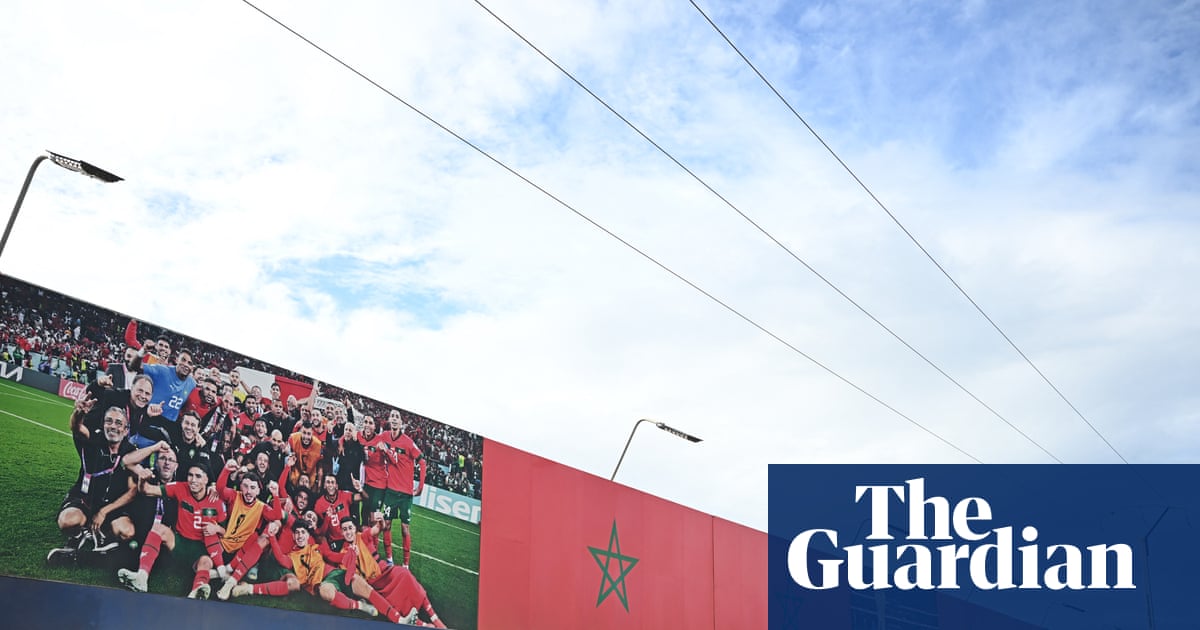
Eyes on 2030: As 2026 Concludes, Morocco Faces a Ticking Clock and Mounting Pressures
Guardian Football·July 30, 2026
The curtain is set to fall on what promises to be a spectacular 2026 FIFA World Cup, culminating in a grand finale at MetLife Stadium in New Jersey. Yet, in the fast-paced world of global football, there is no off-season. As the confetti settles in the United States, the world's footballing spotlight is already pivoting across the Atlantic toward Morocco, a nation sprinting toward its own historic 2030 co-hosting duties alongside Spain and Portugal.
According to Guardian Football, the transition from World Cup participant to global tournament host is happening at a breakneck pace for the Royal Moroccan Football Federation (FRMF). Following a deeply impressive campaign on the pitch that saw the Atlas Lions' run halted in the quarter-finals by France, one might assume the nation's football executives would take a well-deserved summer break. However, resting on their laurels is simply not an option.
Exactly one week after the 2026 final in New Jersey, the city of Rabat will take center stage by opening the Women’s Africa Cup of Nations (Wafcon). Showcasing a newly expanded 16-team format, the tournament serves as a massive statement of intent for North African football. The momentum doesn't stop there; Morocco will also welcome the globe's brightest young talents by hosting the Under-17 Women’s World Cup in the autumn. It is a concerted, aggressive push to establish the nation as a premier destination for international competitions, particularly elevating the women's game.
However, the road to 2030 is paved with challenges as much as it is with ambition. With just over 1,400 days remaining until the next World Cup kicks off, Moroccan officials are confronting a series of hurdles that will feel distinctly familiar to previous African hosts, particularly South Africa in 2010. Topping the agenda are the twin behemoths of escalating infrastructure costs and the elusive promise of a lasting post-tournament legacy. The pressure is immense: upgrading transport networks, expanding hotel capacities, and ensuring that the massive financial burden translates into tangible, long-term benefits for the Moroccan people rather than abandoned stadiums.
Ultimately, the 2026 World Cup will be remembered as a monumental celebration of the game's expansion. But as North America passes the torch, Morocco is stepping firmly into the glaring light of expectation. Can they balance the immediate demands of hosting back-to-back continental and global tournaments with the monumental task of readying a continent for 2030? For the FRMF, the real work begins the second the final whistle blows in New Jersey. (Source: Guardian Football)
🔥 Discover More World Cup Content
Sponsored
Related News
World Cup 2026 Aftermath: Premier League Spending Spree and Arsenal's Tactical Pivot
Guardian Football · Jul 30
The 48-Team Experiment: Did World Cup 2026 Enrich or Dilute the Beautiful Game?
Guardian Football · Jul 30
World Cup 2026: Haaland's Heroics, Azteca's Magic, and Paraguay's Penalty Miracle
Guardian Football · Jul 30