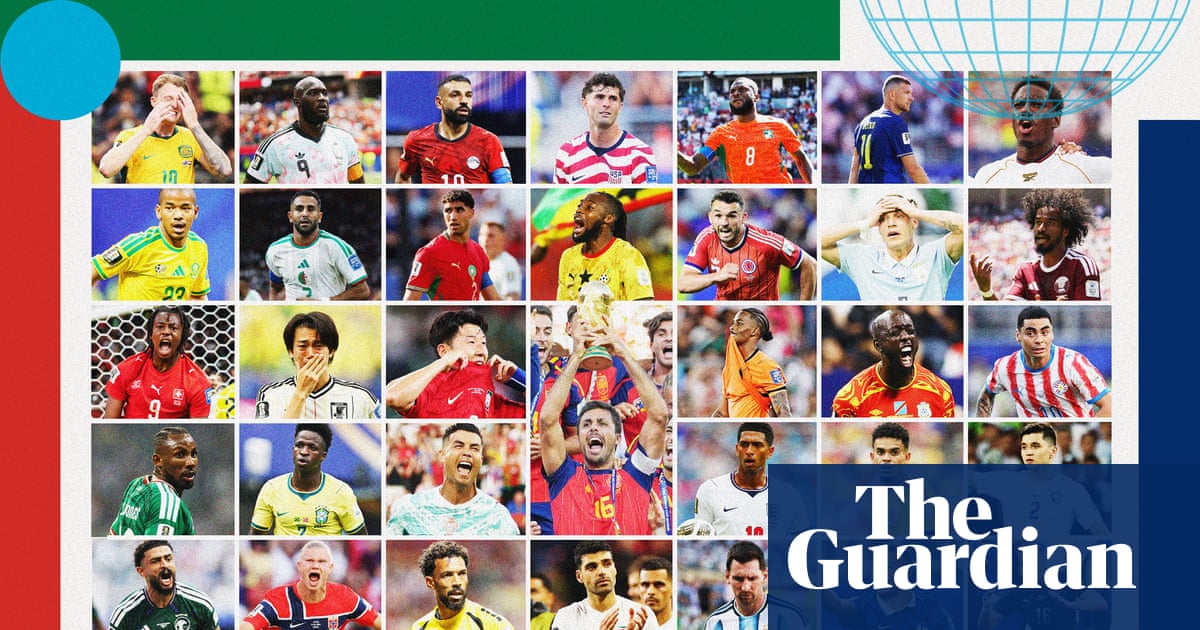
The 48-Team Experiment: Did World Cup 2026 Enrich or Dilute the Beautiful Game?
Guardian Football·July 30, 2026
The dust has finally settled on a sprawling, unprecedented FIFA World Cup 2026 across North America. After a grueling five-and-a-half-week marathon consisting of a staggering 104 matches, it was Spain who ultimately lifted the trophy, conquering the inaugural 48-team tournament. But as the celebrations in Madrid fade, the global footballing community is left to dissect a radical format that promised to change the World Cup forever.
The decision to expand the tournament from 32 to 48 teams was one of the first major maneuvers of Gianni Infantino’s regime, arriving less than a year after he succeeded the disgraced Sepp Blatter at the helm of FIFA. From the moment the announcement was made, the football world was fiercely divided. On one side of the pitch stood the late, great Diego Maradona, who was reportedly “delighted by Gianni’s initiative.” For the Argentine legend, the expansion was a romantic endeavor designed to allow smaller nations the ultimate privilege: to dream. It was an open invitation for fresh passion to sweep across countries that had historically watched the spectacle from the sidelines.
On the opposing sideline stood pragmatism, championed by Joachim Löw, who was managing the reigning world champions Germany at the time of the announcement. Löw issued a stark warning, suggesting that artificially inflating the tournament would dilute its inherent sporting value. The fear was that offering more seats at the table would inevitably lead to a noticeable drop in the overall quality of play.
According to Guardian Football, evaluating this massive tournament through the lens of Spain’s hard-fought victory reveals a complicated truth: both Maradona and Löw were entirely right. The expanded format undoubtedly gifted us with fresh faces and underdog fairytales that captured the global imagination. New nations were given a spotlight on the world's biggest stage, renewing a vibrant passion for the sport in emerging markets. Yet, it simultaneously produced undeniable gulfs in class. We witnessed flawed, lopsided drama where heavyweights routinely feasted on overmatched minnows, occasionally draining the early knockout rounds of genuine suspense.
Now that the 2026 extravaganza is officially in the books, the ultimate question lingers in the boardrooms of Zurich. If FIFA deems the 48-team experiment a financial and logistical success, do we now need to brace ourselves for an even more bloated, 64-team future? Only time—and Infantino’s next big announcement—will tell.
🔥 Discover More World Cup Content
Sponsored
Related News
World Cup 2026 Aftermath: Premier League Spending Spree and Arsenal's Tactical Pivot
Guardian Football · Jul 30
Eyes on 2030: As 2026 Concludes, Morocco Faces a Ticking Clock and Mounting Pressures
Guardian Football · Jul 30
World Cup 2026: Haaland's Heroics, Azteca's Magic, and Paraguay's Penalty Miracle
Guardian Football · Jul 30