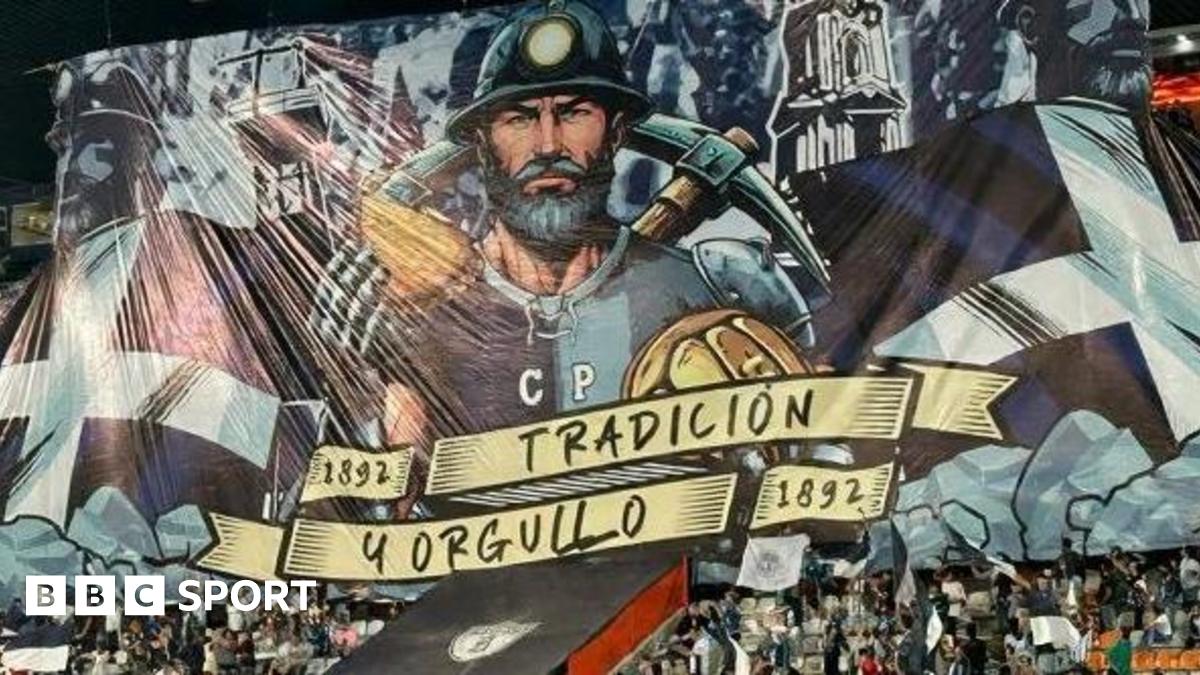
From Cornwall to Mexico: The Unlikely Roots of El Tri's World Cup Legacy
BBC Sport·July 26, 2026
As the global football community turns its eyes toward the 2026 FIFA World Cup, Mexico is preparing to shatter records. By co-hosting the upcoming tournament alongside the United States and Canada, *El Tri* will officially become the first country in history to host or co-host football’s grandest spectacle on three separate occasions. Yet, as millions of fans prepare to descend upon iconic stadiums in Mexico City, Guadalajara, and Monterrey, a fascinating, lesser-known story about the true origins of the Mexican game has emerged, courtesy of BBC Sport.
The beautiful game in Mexico did not begin in the bustling streets of its sprawling capitals or under the glare of modern stadium floodlights. Instead, its roots trace all the way back to the damp, subterranean silver-mining towns of Cornwall, England.
At the turn of the 20th century, Mexico was experiencing an industrial boom, heavily reliant on foreign expertise to extract its vast mineral wealth. A wave of Cornish miners migrated across the Atlantic to work in the lucrative silver mines of Pachuca and Real del Monte. Alongside their industrial expertise, pickaxes, and engineering prowess, these immigrant workers packed a rather unexpected piece of home in their luggage: a leather football.
Desperate for a slice of familiarity and a way to blow off steam during their precious time off, the Cornish expatriates began organizing informal matches in the dusty, sun-baked fields of Hidalgo. The local Mexican population watched with a mixture of intense curiosity and amusement before eventually deciding to give the foreign sport a try. This unlikely cultural exchange laid the groundwork for a historic milestone: the founding of Pachuca Athletic Club in 1901, an institution that sowed the very first seeds of organized football in Mexico.
Fast forward over a century, and the legacy of those industrial workers is nothing short of monumental. Club Pachuca remains a proud pillar of Liga MX today, while the sport itself has become completely inextricably woven into the cultural fabric of the nation. The modern roar of the Mexican crowd, the sea of green jerseys, and the country's global prominence on the pitch are all direct echoes of those early kickabouts in the mining dust.
When the 2026 World Cup kicks off and Mexico writes its next historic chapter, the world will marvel at the country's tactical evolution and undeniable passion. But as highlighted by BBC Sport, behind the multimillion-dollar endorsements and state-of-the-art training facilities lies a remarkably humble origin story—a testament to how a simple game brought over by Cornish miners grew to conquer a nation.
🔥 Discover More World Cup Content
Sponsored
Related News
Behind the Screen: Decoding the TV Broadcast Puzzle for World Cup 2026's Round of 32
BBC Sport · Jul 26
Keegan's Legacy: From 'I Would Love It' to World Cup Inspiration in 2026
BBC Sport · Jul 26
Maldini's World Cup Vision in Jeopardy: Will Pirlo's Russian Links Derail Italy's 2026 Setup?
Football Italia · Jul 26